Bedroom Plants: 8 Easy, Hard-to-Kill Picks for Better Sleep (and the Honest Truth About Oxygen at Night)
A bedroom is one of the trickier rooms for plants: less light than you think, a door that stays shut, and a watering can you forget on busy weeks.
Quick answer: The best bedroom plants are easy, low-light houseplants like the snake plant, ZZ plant, pothos, and peace lily. They cope with the lower light and gentle neglect a bedroom usually offers, and they bring calm and greenery. Just know the air-cleaning and night-oxygen claims are largely oversold, so choose plants you simply enjoy waking up to.
So the plants that thrive here are the tough, low-light ones that forgive a missed watering. I have kept plants in my own bedroom for years, and the winners are always the same easy few. Here are my 8 favourites, honestly ranked for how well they cope with real bedroom conditions, plus a straight answer at the end about whether they actually clean your air or boost oxygen while you sleep.
| Plant | Why it works in a bedroom |
|---|---|
| Snake Plant | Nearly unkillable, thrives in low light, needs water only every 2 to 4 weeks. |
| ZZ Plant | Glossy, drought-proof, and happy in a dim corner. |
| Golden Pothos | Trailing and forgiving, grows in low to medium light. |
| Heartleaf Philodendron | Soft trailing vines, very tolerant of shade and neglect. |
| Dracaena | Upright and architectural, copes with lower light and dry air. |
| Spider Plant | Hardy, pet-safe, and easy to propagate for free plants. |
| Peace Lily | Flowers in shade and tells you when it is thirsty by drooping. |
| Aloe Vera | Loves a bright bedroom windowsill and needs almost no water. |

I show more of my favourite low-light plants in this video. Subscribe to the channel for real, honest plant care.

The 8 Best Bedroom Plants
1. Snake Plant (the one I recommend first)
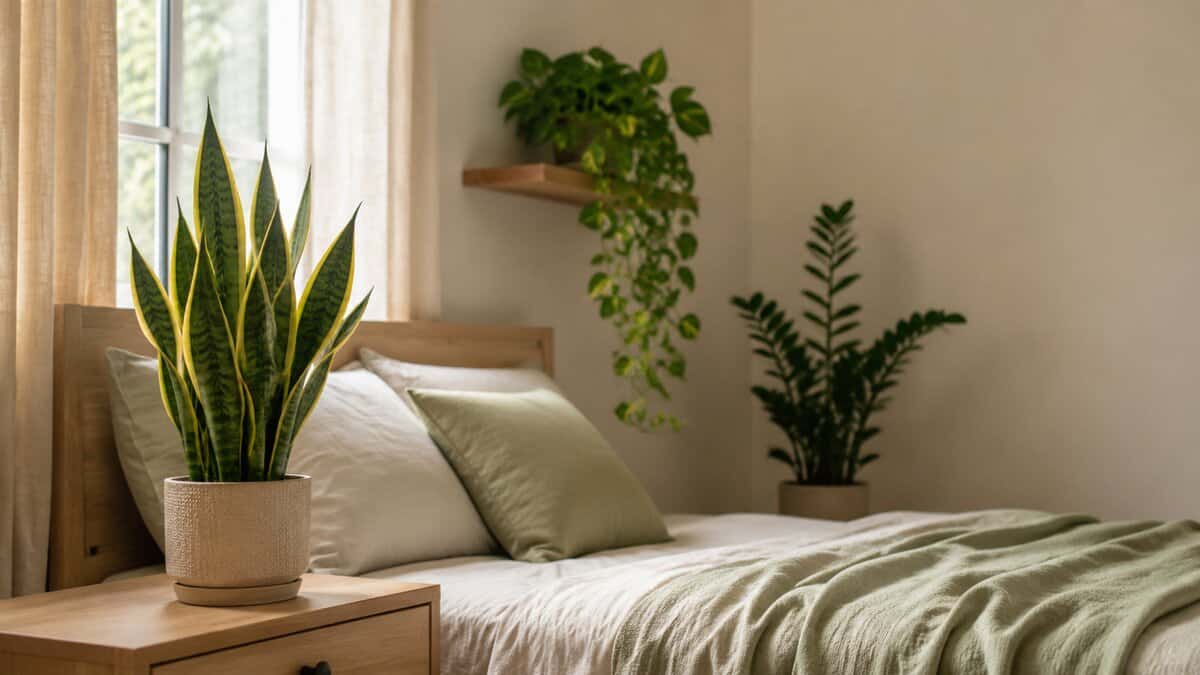
If you only get one bedroom plant, make it a snake plant. It shrugs off low light, wants watering just every few weeks, and its upright leaves suit a nightstand or corner. It is the most forgiving plant I know, which is exactly what a bedroom needs. Full care in my snake plant care guide.
2. ZZ Plant
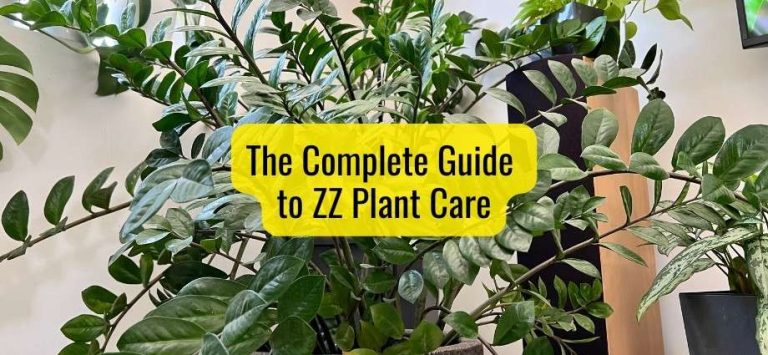
The ZZ is the definition of low effort. Glossy dark leaves, thick roots that store water, and total tolerance for a dim room and irregular watering. It grows slowly, so it stays tidy. See my ZZ plant care guide.
3. Golden Pothos
Pothos trails beautifully from a shelf or hanging pot and copes with low to medium light. It is hard to kill and quick to root in water if you want more. My full notes are in the golden pothos care guide.
4. Heartleaf Philodendron
Soft, heart-shaped leaves on easy trailing vines, and one of the most shade-tolerant plants you can grow. It forgives missed waterings and looks lovely draping a headboard shelf. More in my philodendron care guide.
5. Dracaena
For height and structure, a dracaena brings an upright, architectural shape that suits a bedroom corner. It handles lower light and the dry air from heating better than most. Care tips in my dracaena care guide.
6. Spider Plant
The spider plant is hardy, fast, and one of the few on this list that is safe for cats and dogs. It sends out babies you can pot up for free, and it copes with indirect light. See the spider plant care guide.
7. Peace Lily
If you want a flower, the peace lily blooms even in shade and dramatically droops when thirsty, so it practically waters itself on schedule. Keep it away from pets. Common issues are in my peace lily care guide.
8. Aloe Vera
Aloe is perfect if your bedroom has a bright windowsill. It stores water in its leaves, needs watering only when bone dry, and asks for almost nothing else. Just avoid the common slip-ups in my aloe vera problems guide.
Do Bedroom Plants Really Clean the Air and Boost Oxygen at Night?
Here is the honest part most lists skip. The famous NASA Clean Air Study that everyone quotes was done in a small sealed chamber, not a real bedroom. In an actual room with normal airflow, you would need dozens or even hundreds of plants to measurably change the air. A handful of pots looks lovely and lifts your mood, but it is not an air purifier.
The claim that plants release oxygen at night is also stretched. Snake plants and aloe do keep their pores open at night (a trick called CAM photosynthesis) and release a little oxygen, but the amount is tiny and will not change how you sleep. And do not worry about the old myth that plants suffocate you: the carbon dioxide a few plants give off overnight is a fraction of what a sleeping person exhales. I dug into all of this in is it safe to sleep with houseplants.
So choose bedroom plants for calm, greenery, and the small daily joy of tending them, not as a health device. If clean air is your real goal, a proper look at air-purifying houseplants explains what actually helps.

Final Thoughts - Bedroom Plants
The best bedroom plants are the easy, low-light ones that forgive a shut door and a missed watering: snake plant, ZZ, pothos, and their tough friends. Pick one or two you love the look of, keep them near your brightest window, and enjoy the calm they bring. That gentle, low-effort pleasure is the real reason to keep plants where you sleep. New to all this? Start with my houseplant care for beginners guide.
Frequently Asked Questions
If you are choosing plants for other tricky spots, see my guides to bathroom plants and office plants too.
Are bedroom plants safe to sleep with?
Yes. The idea that plants suffocate you overnight is a myth. A few plants release only a tiny amount of carbon dioxide at night, far less than a sleeping person, so they are completely safe in a bedroom.
What is the best low-light bedroom plant?
The snake plant. It tolerates low light, needs watering only every two to four weeks, and its upright shape suits a nightstand or corner. It is the most forgiving choice for a room with less light.
Do bedroom plants really purify the air?
Not in a meaningful way. The famous NASA study was done in a sealed chamber, and in a normal room you would need dozens of plants to change the air. Enjoy them for calm and looks rather than as air purifiers.
Which bedroom plants are safe for pets?
The spider plant is the safest on this list for cats and dogs. Snake plant, aloe vera, peace lily, pothos, and philodendron are all toxic if eaten, so keep those out of reach of pets.
How many plants should I put in a bedroom?
For looks and calm, one to three is plenty. For measurable air cleaning you would need far more than is practical, so choose the number you enjoy caring for rather than a magic figure.
Related Topics
- Houseplant Care for Beginners
- Is It Safe to Sleep with Houseplants
- Air-Purifying Houseplants
- low light houseplants
- Snake Plant Care

Written by Bojana
Plant lover, grower, and music maker behind Plant House & Garden, with 35+ years of hands-on houseplant experience. Read more about Bojana →