Philodendron Heartleaf Problems: 5 Mistakes to Avoid
Part of my complete Philodendron Care Guide: light, water, problems, every variety, and propagation in one place.
Heartleaf Philodendron Problems at a Glance
| Problem | Likely cause | Fix |
|---|---|---|
| Yellow leaves | Overwatering, or just old lower leaves | Let soil dry more between waterings; remove old yellow leaves |
| Leggy, sparse growth | Too little light | Move to brighter indirect light; pinch tips to encourage bushiness |
| Brown, crispy tips | Underwatering, dry air or hard tap water | Water when the top inch is dry; try filtered water and more humidity |
| Drooping leaves | Too dry or too wet | Check the soil; water when the top inch is dry, never soggy |
| Curling leaves | Underwatering or pests | Water, and check undersides for spider mites or thrips |
| Pests (mealybugs, mites) | Dry air or a stressed plant | Wipe the leaves and treat with insecticidal soap or neem |
| Small leaves | Low light or no support | Brighter light and a moss pole give bigger leaves |
Philodendron Heartleaf is one of the most beloved houseplants for its trailing vines and charming heart-shaped leaves. While it's often praised for being easy to care for, even this resilient beauty can suffer if neglected or cared for improperly. In this article, I’ll walk you through the five most common Philodendron Heartleaf problems and how to avoid them based on my own experience with a struggling plant.
👉 Prefer visuals? You can watch the video below for a full walkthrough and plant footage:

Click here to watch this video on YouTube
What Went Wrong with My Philodendron Heartleaf
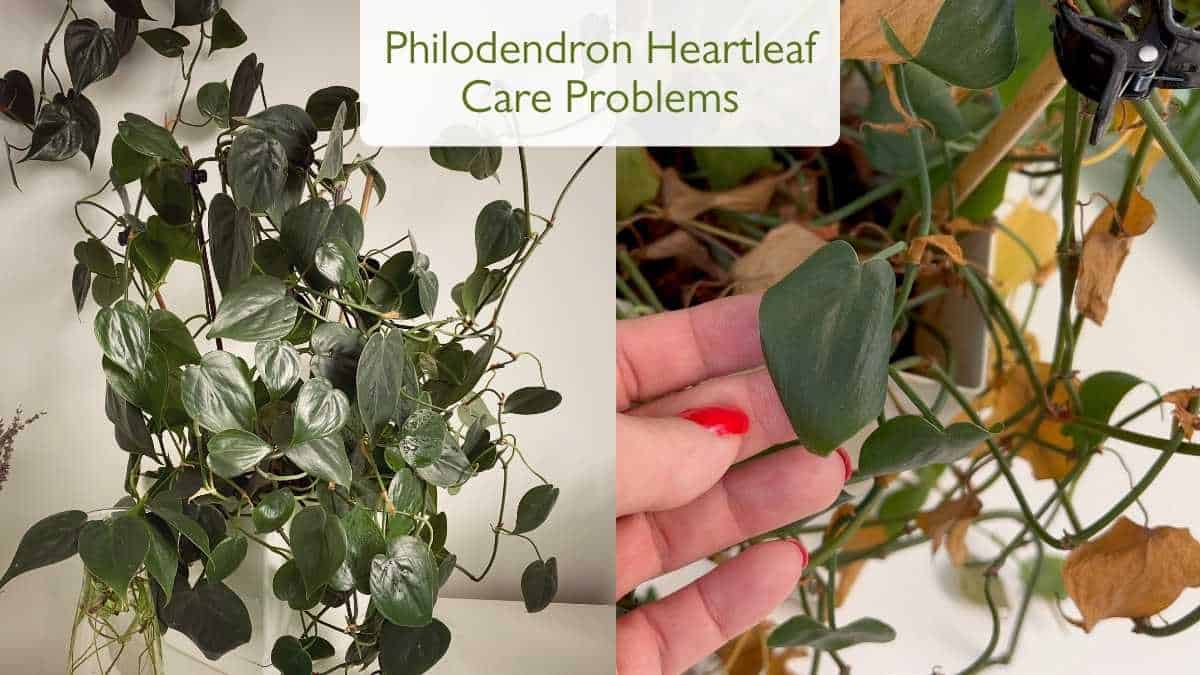
I’ve had this plant for over six years. For the first five, it was lush and thriving in its spot. But just one month ago, everything changed. Leaves started curling, drying, and wilting and before I could react, it declined dramatically.
Even though the Philodendron Heartleaf (also known as Philodendron hederaceum) is considered low-maintenance, small mistakes - especially when combined - can lead to major health issues. Here’s what I learned.
Mistake #1: Improper Watering
This was my biggest mistake.
In winter, I reduced watering, thinking it would help during the plant’s resting phase. But the soil was already old and compacted, and I let it get too dry. The leaves curled, yellowed, and eventually dried up.
Keep the balance, and you’ll avoid one of the most common Philodendron Heartleaf problems. While it prefers the soil to dry out slightly between waterings, both underwatering and overwatering can be harmful.
✅ How to Water Philodendron Heartleaf Properly:
- Always check moisture using your finger or a moisture meter.
- Water when the top half of the soil is dry.
- Use pots with drainage holes and empty excess water after 15 minutes.
- Avoid soggy soil but don’t let it dry out for too long, especially in older potting mix.
Proper watering is essential for avoiding many common issues.
If you want a deeper understanding of how to water houseplants the right way, check out this helpful guide: 👉 Houseplants Watering Tips - Learn When & How Much to Water

Mistake #2: Ignoring Repotting for Too Long - Philodendron Heartleaf problems.
Philodendron Heartleaf doesn’t need frequent repotting, but that doesn’t mean the soil can stay forever.
I left mine in the same pot for years, thinking “if it’s not broken, don’t fix it.” But the soil had broken down, it was compacted, nutrient-poor, and couldn’t hold moisture or air properly anymore.
And poor soil is one of the hidden causes behind many Philodendron Heartleaf problems.
✅ Soil and Repotting Tips:
- Refresh soil every 2-3 years, even if you don’t change the pot.
- Use an airy, well-draining mix made for aroids.
- Replace the top soil layer if full repotting isn’t possible.
Mistake #3: Improper Light as Philodendron Heartleaf problems
One of the early signs of Philodendron Heartleaf problems is sparse growth due to poor lighting conditions. Although the plant’s position didn’t change, I made the mistake of rearranging my plant shelf - placing larger plants in front of it and on the windowsill. As a result, the base of the Heartleaf sat in very low light during winter.
Philodendron Heartleaf can survive in low light but doesn’t thrive in it. Poor light leads to weak vines, sparse growth, and long-term decline.
✅ Light Requirements:
- Provide bright, indirect light.
- Avoid harsh direct sun, but ensure the whole plant, not just the vines - gets enough light.
- Rotate your plant occasionally so all sides receive exposure. Inadequate lighting is one of the most common causes of slow growth and long-term Philodendron Heartleaf problems.
If you want to know more about light requirements for houseplants and how to find the perfect spot for each plant - read my full article Light Requirements for Houseplants: The Secret to Thriving Indoor Plants.
Mistake #4: Fertilizing Dry Soil
In an effort to help, I added fertilizer, but the soil was too dry. Instead of feeding the plant, it damaged the already stressed roots.
Fertilizing dry soil causes root burn due to the concentration of salts. And if the roots are already weak, it accelerates decline.
✅ Fertilizing Tips:
- Always water first, then fertilize.
- Use diluted liquid fertilizer at half strength.
- Fertilize only during the growing season (spring-summer), once every 6-8 weeks.
These plants are not heavy feeders, so be careful with overfertilizing. If you want to boost your plants’ growth naturally and safely, read my full article Organic Fertilizer for Houseplants: Stimulate Your Plants’ Growth.

Mistake #5: Avoiding Pruning
Many plant lovers avoid pruning, but Heartleaf Philodendron actually responds well to it.
The last time I pruned this plant was two years ago, when I created a detailed guide on how to do it right.
👉 If you're ready to try it yourself, read my full guide: How to Propagate Philodendron Heartleaf (Step-by-Step) - and start growing new plants from healthy cuttings. Pruning regularly helps avoid many subtle Philodendron Heartleaf problems like legginess and leaf loss.
✅ Pruning Advice:
- Remove yellow or damaged leaves regularly.
- Trim long or leggy vines to encourage fuller growth.
- Use healthy cuttings to propagate new plants.
Philodendron Heartleaf Problems Are Often a Combination
Looking back, my plant didn’t suffer from just one issue - it was a combination:
- I underwatered it.
- Left it in old, compacted soil.
- Blocked its light unintentionally.
- Fertilized when the soil was dry.
- And neglected pruning.
Each mistake compounded the damage, and my late response made things worse. But plants are resilient. After repotting into fresh soil, pruning severely, and refreshing the environment, it’s now on the road to recovery.
With the right care and attention, even serious Philodendron Heartleaf problems can be reversed over time.
Final Thoughts: Save Your Philodendron Before It’s Too Late
Philodendron Heartleaf problems are easy to prevent once you recognize the early signs. Check the soil. Adjust the light. Prune confidently. And always respond early.
🌿 Want to see how I revived my plant?
🎥 Watch the full video below to follow the plant’s journey and avoid making the same mistakes.
🔗 Related Topics
- How to Propagate Philodendron Heartleaf
- Philodendrons: Care, Guides, Tips
- How Music Can Affect Plants Growth
Frequently Asked Questions
Why is my heartleaf philodendron turning yellow?
Usually overwatering, or just old lower leaves dying back naturally. Let the soil dry more between waterings and make sure the pot drains.
Why is my heartleaf philodendron leggy?
Too little light. Move it to brighter, indirect light and pinch the tips to encourage fuller, bushier growth.
How often should I water a heartleaf philodendron?
When the top inch of soil is dry, often about once a week. It is forgiving but hates staying soggy.
Why does my heartleaf philodendron have brown tips?
Underwatering, dry air, or minerals in tap water. Water when the top inch is dry and try filtered water.
If the browning goes beyond the tips, my guide on philodendron leaves turning brown walks through every cause and fix.
Is heartleaf philodendron toxic to pets?
Yes. Like other philodendrons it is toxic to cats and dogs, so keep it out of reach. See our indoor plants safe for cats and dogs.
Written by Bojana
Plant lover, grower, and music maker behind Plant House & Garden, with 35+ years of hands-on houseplant experience. Read more about Bojana →