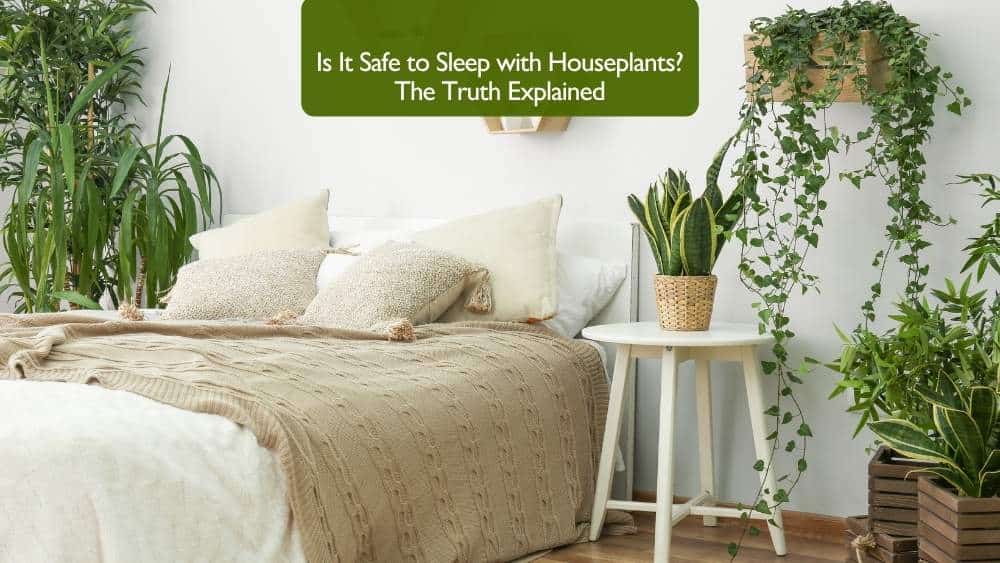
Is It Safe to Sleep with Houseplants? The Truth About Oxygen, CO₂, and Clean Air
If you love surrounding yourself with greenery, you’ve probably heard someone ask, “Is it safe to sleep with houseplants?”
The idea that plants might “steal” your oxygen at night has been around for decades, and it often makes new plant parents worry about filling their bedrooms with green life.
But the truth might surprise you. In this article, I’ll break down what really happens when you sleep in the same room with plants, how they affect oxygen, CO₂, and air quality, and why science says it’s not only safe to sleep with houseplants, but actually beneficial for your health and well-being.
The Myth: Do Plants Take Away Oxygen at Night?
The biggest concern people have when wondering is it safe to sleep with houseplants comes from how plants breathe. During the day, plants perform photosynthesis – they use sunlight to convert carbon dioxide and water into glucose and oxygen. That’s how they refresh the air around us.
At night, photosynthesis pauses because there’s no sunlight. Plants then switch to a different process called respiration, which means they take in a small amount of oxygen and release a tiny amount of carbon dioxide – the same process humans do every second of the day.
Here’s the key: the amount of oxygen plants use at night is so small that it makes absolutely no difference to your room’s air composition. You’d need to fill your entire bedroom with hundreds of huge plants in a sealed space to even notice a change.
So the short answer is yes, it is safe to sleep with houseplants. You can rest easy knowing your leafy friends won’t compete with you for oxygen.
The Science: Plants Actually Improve Air Quality
When people ask is it safe to sleep with houseplants, they usually focus on oxygen and CO₂ – but what they don’t realize is that plants are powerful natural air purifiers.
The famous NASA Clean Air Study demonstrated that plants like Snake Plant, Peace Lily, and Dracaena can remove common indoor toxins such as benzene, formaldehyde, and trichloroethylene. These pollutants often come from cleaning products, furniture, and paint – and plants help neutralize them naturally.
Some of the best examples include:
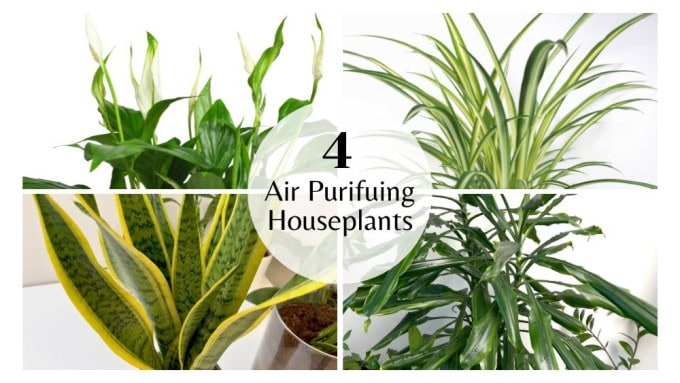
- Snake Plant (Sansevieria trifasciata) – releases oxygen even at night, ideal for bedrooms. Read more
- Peace Lily (Spathiphyllum) – increases humidity and removes harmful VOCs. Read more
- Spider Plant (Chlorophytum comosum) – filters dust and carbon monoxide effectively. Read more
- Dracaena – known for improving overall air quality and removing formaldehyde. Read more
Even one or two of these plants can make your room feel fresher and cleaner.
And since I often get asked which species are best for cleaning indoor air, I made a full article “Top 8 Air-Purifying Houseplants”. It include detailed care instructions and tips to combine plants for the healthiest indoor air possible.
🌿 Oxygen, CO₂, and Humidity: The Perfect Nighttime Balance
When you wonder is it safe to sleep with houseplants, it helps to look at the full picture – not just oxygen levels.
Plants release a steady flow of moisture into the air through transpiration, which slightly raises indoor humidity. This is especially beneficial during winter, when heating systems dry out the air and irritate your throat or skin. A few plants in your bedroom can bring humidity back to an optimal range of 40–60%, which feels more comfortable for sleeping and helps prevent dry cough or congestion.
Additionally, indoor plants stabilize CO₂ levels, trap dust particles, and reduce static electricity. That means you’ll breathe cleaner, more balanced air through the night.
So not only is it safe to sleep with houseplants, but your respiratory system will thank you for it.
⚠️ When Too Many Plants Can Be a Problem
While it’s perfectly safe to sleep with houseplants, a few practical things are worth keeping in mind.
- Too many plants in a small, unventilated room can make the air feel heavy and overly humid.
- Overwatering leads to soggy soil, mold, and fungus gnats.
- Allergies and sensitivities – this is something I personally experienced last winter. I noticed a light allergic reaction while several of my Alocasias and an Anthurium cristallinum were blooming at the same time. The scent of Anthurium cristallinum was surprisingly strong and sharp, and I found myself sneezing constantly. To solve it, I simply moved those blooming plants into my workroom until the flowers faded.
👉 If you ever feel your eyes watering, your nose itching, or your breathing changing slightly, don’t panic – just relocate the blooming plants to another room until they finish flowering. - Poor air circulation can create pockets of stagnant air, so always ensure a window or fan keeps air moving.
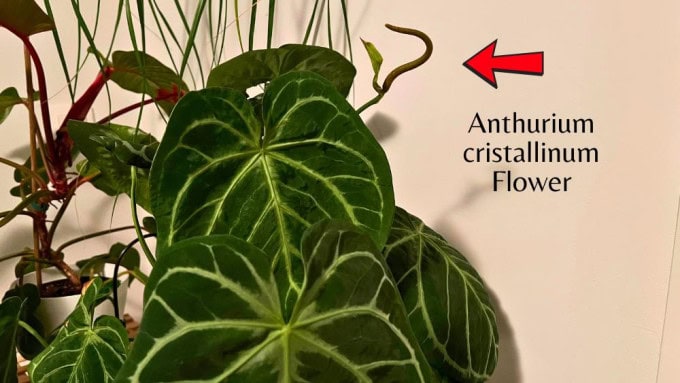
These experiences don’t mean it isn’t safe to sleep with houseplants – they simply remind us that, like humans, every plant has its own personality. Pay attention to how you feel, and adjust your plant placement accordingly.
🌱 Biophilic Benefits: Plants Help You Sleep Better
Beyond the science, there’s something deeply psychological about having plants in your sleeping space. Studies in biophilic design – the connection between humans and nature – show that simply looking at greenery reduces stress, lowers heart rate, and improves sleep quality.
So if you’ve ever wondered is it safe to sleep with houseplants, remember this: plants don’t just make your room look alive – they help you feel alive. They remind your body of natural cycles, regulate your inner calm, and bring a sense of quiet companionship that makes bedtime more peaceful.
Bonus: The Power of Natural Frequencies
Want to enhance your sleep and the health of your plants even more? Try combining greenery with soothing frequency music.
Research shows that natural tones like 432 Hz and 528 Hz can help plants grow faster and influence human relaxation cycles. I’ve personally experimented with this for years – and the results are amazing.
You can listen to my frequency-based tracks in this post:
How Healing Music with Pure Tones Boosts Plant Growth and Well-Being
It’s a beautiful way to create harmony between you, your plants, and the natural rhythm of your home.

🌿 Final Verdict: Is it safe to sleep with houseplants?
So, is it safe to sleep with houseplants?
Absolutely yes. Having a few healthy, well-chosen plants in your bedroom won’t take away your oxygen or cause harm. Instead, they’ll purify your air, increase humidity, and bring a deep sense of calm to your environment.
In short – houseplants are more than décor. They’re living air purifiers, emotional supporters, and natural mood boosters.
So go ahead: let nature move into your bedroom. Surround yourself with life, rest peacefully, and wake up each morning feeling refreshed, balanced, and connected to the rhythm of the Earth.
🌿 Related Topics
- Top 8 Air-Purifying Houseplants
- Winter Plant Care Tips: 5 BIG Mistakes to Avoid!
- Humidity and Temperature for Houseplants
- Pet-Friendly Houseplants: Toxic vs. Non-Toxic Plants – Which Are Safe?

Click here to watch the video on YouTube
Explore More Music for Your Plants & Stay Connected!
Check out my Playlist: Music for Plants and find the perfect tunes to help your plants and yourself thrive.
Don’t forget to visit my YouTube Channel Plant House & Garden and subscribe – your support means the world to me!
Connect with me on social media for more plant care tips and music updates: Instagram | Facebook | X | Pinterest | Reddit | TikTok
Love plants? Love music? Don’t miss out on new updates – hit subscribe and follow now to keep your plants happy and your space vibrant!