Alocasia Tigrina Care – Everything You Need to Know
Alocasia Tigrina is one of the most striking and exotic aroids you can grow indoors, known for its tall striped stems and dramatic arrow-shaped leaves. But despite its bold appearance, it’s surprisingly sensitive, and understanding proper Alocasia Tigrina care is essential if you want this beauty to grow strong, upright, and healthy.
In this guide, you’ll learn everything you need to know: the right light, watering schedule, soil mix, humidity levels, temperature preferences, and the most common problems you may face. If you’ve been wondering how to care for Alocasia Tigrina, why the stems lose pattern, or why leaves curl or yellow, this article will walk you through each cause and solution in a simple, practical way.
Alocasia Tigrina is very similar to Alocasia Zebrina, but with a more dramatic pattern and larger, bolder growth – making it an unforgettable addition to any houseplant collection. Let’s dive into what this unique plant really needs to thrive.
What Is Alocasia Tigrina? (Origin + Unique Features)
Before diving into detailed Alocasia Tigrina care, it helps to understand where this stunning plant comes from and what makes it so visually unique. Alocasia Tigrina originates from the tropical rainforests of Southeast Asia, where it grows in warm, humid, and dappled light conditions beneath tall jungle canopies. This natural environment explains many of its indoor care needs.
Alocasia Tigrina is instantly recognizable for its bold, tiger-striped stems that give the plant its name. The petioles have dark, irregular banding that resembles animal print, paired with large, arrow-shaped leaves that grow on tall, upright stems. When grown well, the plant can reach impressive heights and becomes a dramatic focal point in any plant collection.
Alocasia Tigrina vs Zebrina – What’s the Difference?

Although these two plants are often confused, there are clear differences. Tigrina has darker and more irregular “tiger-like” banding on the stems, while Zebrina has lighter, thinner, and more uniform “zebra-like” stripes. The leaf shape also varies: Tigrina leaves are longer and more pointed, whereas Zebrina leaves are rounder and softer. In terms of growth habit, Tigrina generally grows taller and more upright, giving it a wilder, more dramatic look. Zebrina stays slightly smaller and appears softer and more patterned overall.
Understanding these unique features makes it much easier to tailor your Alocasia Tigrina care routine and support the plant’s natural growth pattern indoors.
Alocasia Tigrina Light Requirements
Proper lighting is essential for healthy Alocasia Tigrina care, especially because this plant naturally grows under bright but filtered light in tropical forests. Indoors, it thrives in bright, indirect light that keeps the stems upright, the patterns strong, and the leaves firm. A bright west-facing room works extremely well when the plant is positioned a few feet away from the window and shielded from harsh rays.
I keep my own Alocasia Tigrina about two feet from a west-facing window, with several other plants in front of it. This setup filters the afternoon sun perfectly, creating bright but softened light. The plant receives everything it needs to grow strong without being exposed to direct sun, and I simply rotate it once per week to maintain balanced, upright growth.
When your Tigrina doesn’t get enough light, the changes are noticeable. The stem pattern becomes weaker, the leaves stretch toward the window, and growth slows down. If you see these signs, move it closer to a brighter area. Too much sun, however, can cause yellow patches, crispy edges, and faded markings, so avoid placing it directly in front of strong rays.
Alocasia Tigrina also adapts very well to grow lights. If your natural light is limited, you can keep the plant around 12–18 inches below a grow light for 8–10 hours per day to maintain healthy, compact growth throughout the year.
Alocasia Tigrina Watering Guide
Watering is one of the most important parts of proper Alocasia Tigrina care, and it’s also the area where most problems begin. Tigrina prefers its soil to stay lightly and consistently moist, but never wet or compacted. The roots and corms are sensitive, so they need steady hydration paired with excellent drainage.
The best approach is to check the soil regularly and water only when the top layer begins to dry. I let the first one to two inches dry out before watering again, which keeps the plant evenly hydrated without allowing the soil to stay soggy. When watering, I go slowly and evenly until water runs through the drainage holes, ensuring the entire root ball becomes moist. This helps the plant grow stronger leaves and prevents dry patches along the edges.
Underwatering and overwatering show different symptoms. When the plant is too dry, the leaves may droop, curl, or develop crisp edges. When the soil stays wet for too long, the stems soften, lower leaves yellow, and the roots can begin to rot. If you notice that the soil takes a very long time to dry, it’s usually a sign that the mix is too dense and needs extra aeration.
Growers in warm homes may need to water more frequently, while cooler homes will need less. The goal is always balance – not too wet, not too dry. This consistent, gentle watering routine mirrors the plant’s natural rainforest environment and keeps your Alocasia Tigrina growing strong and upright.
Click here to watch the video on YouTube
Best Alocasia Tigrina Soil Mix
Choosing the right soil is essential for healthy Alocasia Tigrina care because this plant relies on a light, breathable mix that allows water to pass through quickly while still holding gentle, even moisture. Dense or compacted soil suffocates the roots, stays wet for too long, and increases the risk of yellowing leaves, drooping, and root rot.
The perfect Alocasia Tigrina Soil Mix is airy, chunky, and fast-draining. If you are using regular houseplant soil, you can easily improve it by adding around 30% perlite and 15% orchid bark to create structure and airflow. This keeps the roots oxygenated and helps the top layer dry faster, giving you more control over watering.
I personally use the same mix for my Alocasia Tigrina as I do for my Jacklyn, and it works beautifully. It’s light, drains well, and keeps the plant stable without being too heavy. I also have an article and video explaining how I prepare my own soil-free aroid mix, which works flawlessly for aroids that need extra oxygen around the root system. Read more about Soil-Free Aroid Potting Mix: The Best DIY Recipe for Healthy Aroid Plants
An airy, well-draining substrate is one of the foundations of successful Alocasia Tigrina care, and it prevents almost all common issues related to moisture imbalance. Once the roots have the right environment, the plant responds with stronger stems, larger leaves, and steady new growth.
Humidity & Temperature Needs
Humidity and temperature play a major role in successful Alocasia Tigrina care, especially because this plant comes from warm, tropical forests where the air stays moist and stable throughout the year. Indoors, your goal is to recreate a smaller version of that environment – warm, humid, and protected from drafts.
Alocasia Tigrina grows best in humidity levels around 60–80%. When the air is too dry, the leaves begin to curl, the edges crisp, and new growth becomes thinner and weaker. You can increase humidity by grouping plants, using a humidifier, or placing the plant in naturally humid rooms like a kitchen or bathroom (as long as the lighting is bright). Keeping the plant away from heaters, radiators, and cold airflows is equally important.
Temperature is another factor that influences your plant’s overall health and growth rate. The ideal range for Alocasia Tigrina is between 70–85°F (21–29°C), with temperatures above 65°F (18°C) during the night. Cold drafts or sudden temperature changes often cause yellowing leaves, drooping, and stress that slows down new growth. Tigrina doesn’t tolerate cold conditions, so avoid placing it near open windows in winter or air conditioners blowing directly on it.
Once humidity and temperature remain stable, Alocasia Tigrina grows more confidently, producing larger, well-shaped leaves and stronger stems. Maintaining these two environmental factors has a huge impact on the overall success of Alocasia Tigrina care, and it’s one of the easiest ways to keep the plant thriving indoors.
Fertilizing Alocasia Tigrina
Fertilizing is an important part of proper Alocasia Tigrina care, especially during the active growing months when the plant produces taller stems and larger leaves. Tigrina responds very well to regular feeding, but it is also sensitive, so fertilizers must always be diluted and applied gently.
During spring and summer, a balanced liquid fertilizer works best, ideally something formulated for foliage plants. I fertilize my Alocasia Tigrina with diluted liquid fertilizer at every watering, using a light strength that supports steady growth without overwhelming the roots. This approach keeps the plant consistently nourished and encourages strong new leaves with clearer venation.
If you prefer a more traditional schedule, you can fertilize every two to three weeks, but the key is always to avoid heavy, concentrated feeding. Overfertilizing can cause burnt tips, mineral buildup, or yellowing lower leaves. Because regular feeding can leave salts in the soil, it’s helpful to flush the pot once a month with clean water to rinse out any residue and keep the mix fresh.
A gentle, consistent fertilizing routine makes a noticeable difference in the health and appearance of Alocasia Tigrina. When nutrients are balanced, the plant grows confidently, the stems stay upright, and the foliage develops its signature dramatic look – all essential parts of good Alocasia Tigrina care.
Common Alocasia Tigrina Problems (and How to Fix Them)
Even with the best conditions, Alocasia Tigrina can be a little dramatic. Because it reacts quickly to changes in watering, light, humidity, and temperature, it’s helpful to understand the most common issues and what they mean. Most problems are easy to fix once you identify the cause, and your plant usually recovers quickly when given the right Alocasia Tigrina care.
Yellow leaves are one of the most frequent concerns. If this happens on the lowest, oldest leaf, it is often completely normal – Alocasias naturally shed older leaves as they grow. However, if several leaves begin to yellow at once, it usually means the soil is staying too wet or the plant is sitting in low light. Allow the top layer of soil to dry, adjust the watering routine, and move the plant to a brighter location. Yellowing can also appear after repotting, as Tigrina is sensitive to root disturbance.
Drooping or limp leaves are another common sign of imbalance. This can occur when the plant needs water, but it can also happen when the soil is too wet, especially if the potting mix is dense. Checking the soil moisture before reacting is the best approach. If the soil feels dry, a deep watering should lift the leaves within a day. If the soil is wet, let it dry out more thoroughly and ensure your soil mix has enough perlite or bark to improve drainage.
Brown edges often appear when humidity is too low. When the air becomes dry, particularly in winter, the leaf tips curl, edges crisp, and the plant loses some of its glossy texture. Increasing humidity makes a dramatic improvement, and you’ll notice new leaves forming more smoothly.
Pests like spider mites and mealybugs can also appear on Alocasia Tigrina, especially if the air is dry or if the plant is stressed. Fine speckles, webbing, or a dull leaf surface usually indicate spider mites, while mealybugs look like small white cottony spots. A gentle shower, followed by neem oil or insecticidal soap, usually solves the problem. Keeping humidity stable and leaves clean helps prevent future infestations.
Slow growth, small leaves, or fading stem patterns typically point to insufficient light or a lack of nutrients. Moving the plant to stronger indirect light and maintaining a consistent fertilizing routine usually brings the plant back to normal.
Most Alocasia Tigrina problems come from the same core causes – light, watering, humidity, and temperature. Once those are stable, this plant becomes much easier to maintain and responds quickly with stronger stems and larger, healthier leaves.
Repotting Alocasia Tigrina
Repotting is an important part of proper Alocasia Tigrina care, especially because this plant grows from corms and fine roots that need air, space, and fresh soil to stay healthy. When the pot becomes crowded or the soil starts compacting, your Tigrina will produce smaller leaves, weaker stems, and may begin leaning to one side – all signs that it’s time to refresh the pot.
Alocasia Tigrina generally needs repotting every one to two years, depending on how fast it grows and the size of the container. Younger plants or those kept in very airy soil often fill their pots more quickly, while mature plants can stay longer if the soil remains loose and breathable. A good rule is to repot in spring or early summer, when the plant enters active growth and recovers more quickly.
When choosing a new pot, go only one size larger. A pot that is too big holds excess moisture and increases the risk of root rot. Terracotta pots help the soil dry faster and are excellent for growers who tend to water more often, while ceramic or plastic works well as long as your mix is airy.
Repotting should be gentle, as Tigrina doesn’t like its roots disturbed. Loosen the old soil carefully, trim any damaged or mushy roots, and place the plant into fresh, well-draining aroid mix. After repotting, give it a few days to adjust before watering deeply. It’s normal for Alocasia Tigrina to lose one or two older leaves from stress after repotting – this is temporary, and new leaves usually appear within a couple of weeks once the plant settles.
A successful repot gives the plant a clean start, improves aeration, and encourages upright, vigorous growth – all essential elements of healthy Alocasia Tigrina care.
How to Propagate Alocasia Tigrina (Quick Overview)
Propagation is a small but interesting part of Alocasia Tigrina care, although this plant grows slowly and doesn’t produce pups as frequently as some other Alocasia varieties. There are two ways to propagate it: division and corms. Both methods require patience and warm, stable conditions.
Division is the most common approach. When a mature Tigrina forms a pup at the base, you can separate it during repotting once it has several leaves and its own small root system. This is the easiest and fastest way to create a new plant. If you want to learn more about separating offsets, you can read my article where I explain Alocasia division in detail.
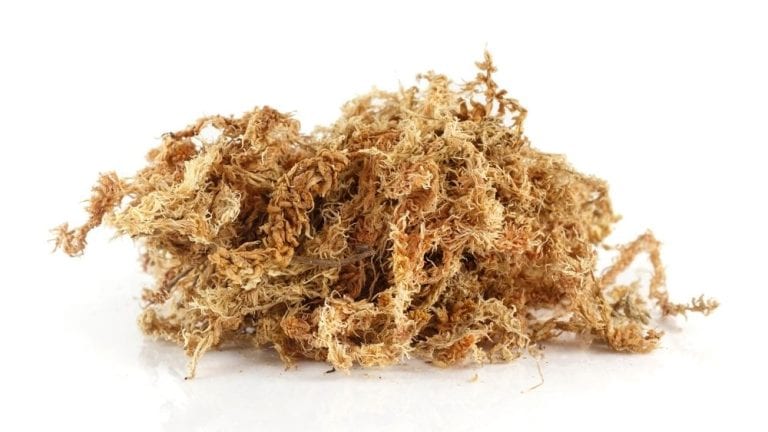
Propagation from corms is also possible, although Tigrina produces fewer corms than other Alocasias. These small bulbs can be sprouted in moist sphagnum moss or a light soil mix, similar to the method I use in my Alocasia Regal Shields propagation guide. The process is the same, just slower.
Because Tigrina is sensitive, it’s always better to propagate only when the plant is strong, healthy, and actively growing.
⚠️ Is Alocasia Tigrina Toxic?
Like all Alocasia species, Alocasia Tigrina is considered toxic to pets and humans if ingested. The plant contains calcium oxalate crystals that can cause irritation, mouth discomfort, swelling, or gastrointestinal upset. While most pets are unlikely to eat large amounts due to the sharp taste, it’s still best to keep the plant out of reach of curious cats, dogs, and small children.
If you want to explore which plants are safe and which ones to avoid around pets, you can read my full guide here: Pet-Friendly Houseplants: Toxic vs. Non-Toxic Plants – Which Are Safe?
Being aware of toxicity doesn’t mean you can’t enjoy this beautiful plant—it simply helps you place it in a mindful, safe location where everyone in the home stays protected.
Final Thoughts
Alocasia Tigrina is a bold, exotic, and incredibly striking plant that brings a true jungle vibe to any indoor space. With its dramatic striped stems and large arrow-shaped leaves, it easily becomes the centerpiece of a plant collection. Although it can be sensitive, once you understand its needs, Alocasia Tigrina care becomes much more straightforward and rewarding.
By giving your Tigrina bright, indirect light, a well-draining and airy soil mix, steady humidity, and a consistent watering and fertilizing routine, it will grow strong, upright, and full of character. Even if it reacts to changes or shows occasional drama, this plant recovers quickly once the environment stabilizes.
If you enjoy aroids that make a statement, Alocasia Tigrina is absolutely worth the effort. With patience and the right conditions, it will reward you with impressive growth and beautifully patterned stems.
Bonus: 432 Hz Music for Calmer, Healthier Plants
If you want to support your Alocasia Tigrina even further, try playing gentle 432 Hz music near your plants. This frequency is known for creating a balanced, calming atmosphere that supports both plant growth and human well-being. Many plant owners, including myself, notice stronger, more vibrant growth when plants are exposed to soft 432 Hz tones.
You can try one of my relaxing 432 Hz plant music videos here and let your Tigrina enjoy the soothing environment while you relax too.
Click here to watch the video on YouTube
Related Articles
- Humidity and Temperature for Houseplants
- Alocasia Amazonica Care: The Ultimate Guide
- How to Propagate Alocasia from Corms?
- How to Propagate Alocasia from Stem Cuttings?
Explore More Music for Your Plants & Stay Connected!
Check out my Playlist: Music for Plants and find the perfect tunes to help your plants and yourself thrive.
Don’t forget to visit my YouTube Channel Plant House & Garden and subscribe – your support means the world to me!
Connect with me on social media for more plant care tips and music updates: Instagram | Facebook | X | Pinterest | Reddit | TikTok
Love plants? Love music? Don’t miss out on new updates – hit subscribe and follow now to keep your plants happy and your space vibrant!