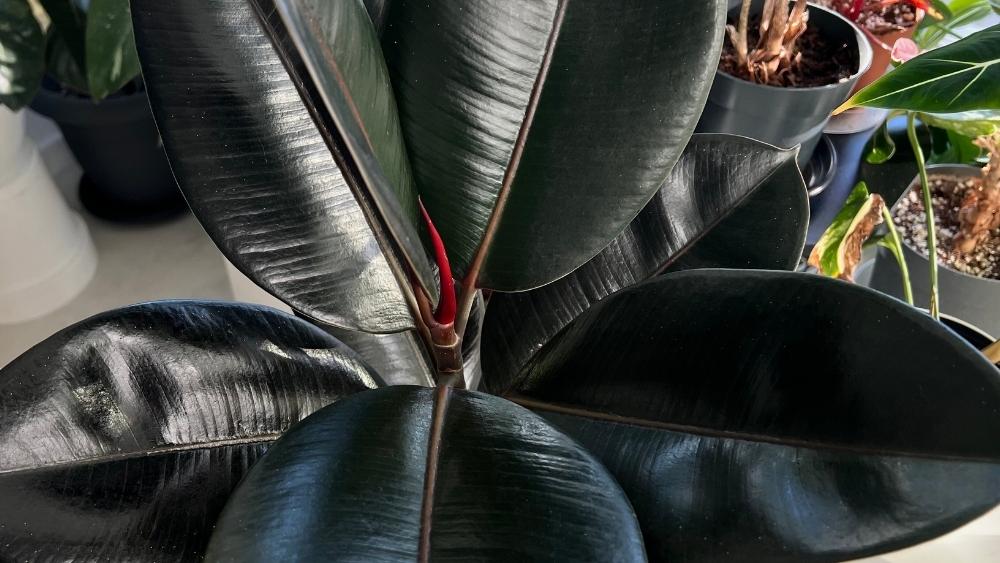
Black Rubber Plant Care: 7 Essential Tips for Healthy, Glossy Leaves
Black Rubber Plant care looks simple at first glance - until the leaves lose their deep shine or growth suddenly slows down.
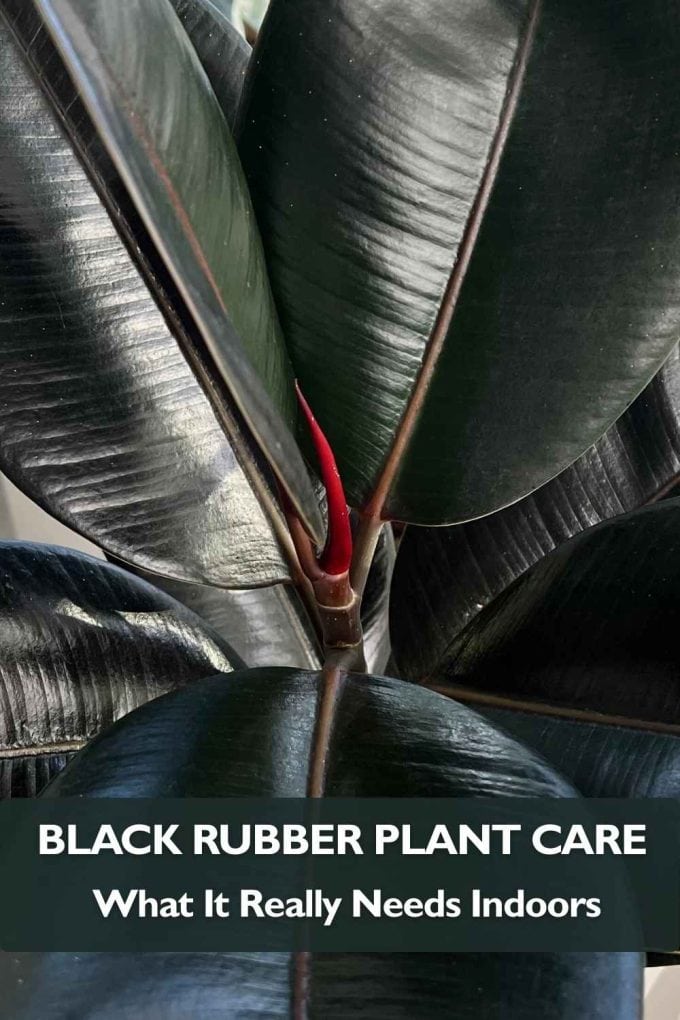
Ficus Elastica Burgundy is known for its dark, glossy foliage and bold presence indoors. But that dramatic color depends on something very specific: the right balance of light, watering, and soil.
Small adjustments make a visible difference.
When those basics are aligned, your Burgundy Rubber Plant doesn’t just survive - it grows stronger, fuller, and noticeably glossier.
Let’s break down what truly keeps it thriving indoors.
Black Rubber Plant Light Requirements
Light is the single most important factor in Black Rubber Plant care.
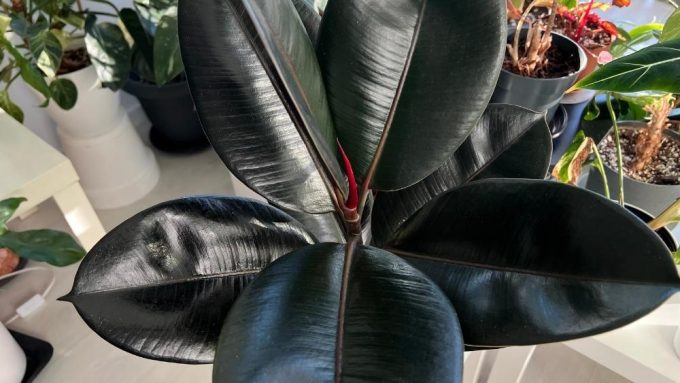
Ficus Elastica Burgundy is known for its deep, almost black leaves - but that dramatic color depends heavily on proper lighting. When the light is too low, growth slows and the foliage may lose its rich tone. When the sun is too harsh, burn spots can appear on the glossy surface.
The ideal Burgundy Rubber Plant light requirements include:
• Bright, indirect light
• Gentle morning sun
• Filtered southern or eastern exposure
If your space doesn’t provide enough natural light, using a grow light can be a simple and effective solution. Many indoor plant owners rely on full-spectrum LED grow lights, especially during winter or in low-light rooms. Choosing the right grow light can help maintain the deep color and healthy growth of your Black Rubber Plant.
Avoid prolonged, intense afternoon sun, especially during summer. Darker leaves tolerate light slightly better than lighter varieties, but direct midday rays can still damage them.
If your plant isn’t producing strong new growth, light is usually the first thing to reassess.
When balanced correctly, proper lighting keeps your Black Rubber Plant bold, compact, and deeply glossy.
Black Rubber Plant Watering
Proper Black Rubber Plant watering is about rhythm - not routine.
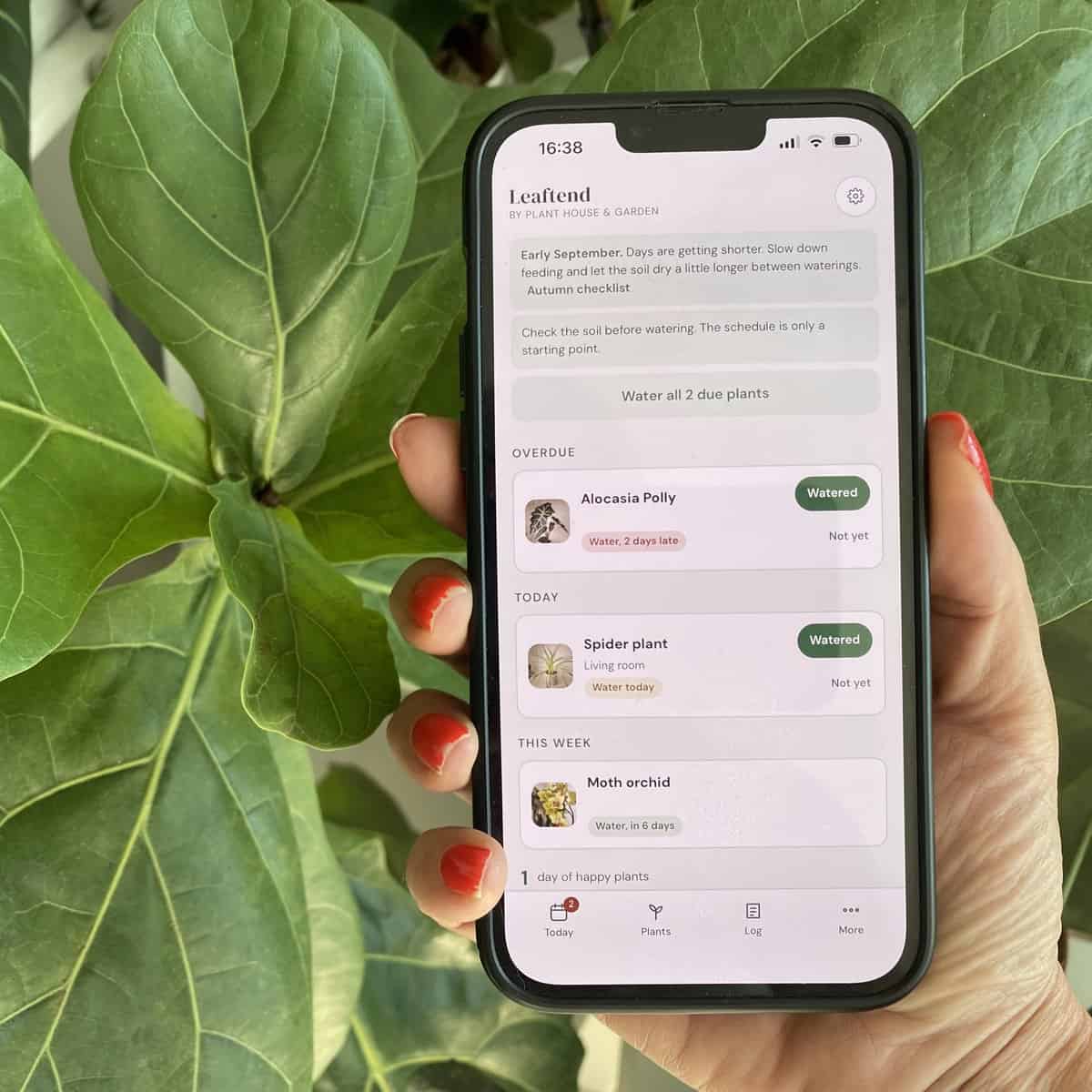
One of the most common mistakes in Black Rubber Plant care is watering on a fixed schedule instead of checking the soil first. Ficus Elastica Burgundy prefers to dry slightly between waterings.
Before watering, check the top 2 inches of soil.
If it feels dry, water thoroughly.
If it’s still moist, wait a few more days.
The goal is evenly moist soil - never soggy.
Overwatering can lead to:
• Yellowing leaves
• Soft stems
• Root rot
• Sudden leaf drop
Underwatering, on the other hand, may cause curling or dull-looking foliage.
Because Burgundy leaves are thick and glossy, they store some moisture - which means this plant tolerates slight dryness better than constant wet soil.
When the watering balance is right, your Black Rubber Plant maintains strong structure, steady growth, and that signature deep shine.
Prefer a quick visual walkthrough?
Watch the short Black Rubber Plant care video below:

This short guide covers the essential basics before we move into soil and long-term indoor care.
Soil and Drainage for Strong Indoor Growth
Soil plays a major role in long-term Black Rubber Plant care.
While Ficus Elastica Burgundy looks strong and resilient, its roots are sensitive to compact, poorly draining soil. One of the key elements of proper Ficus Elastica indoor care is creating an airy mix that allows oxygen to reach the roots.
The ideal soil mix should be:
• Well-draining
• Slightly chunky
• Moisture-retentive, but never heavy
A simple blend of quality potting soil, perlite, and orchid bark works extremely well. This combination prevents water from sitting around the roots while still holding enough moisture for steady growth.
If you don’t want to mix your own soil, many indoor gardeners choose ready-made well-draining soil mixes designed for houseplants. These mixes often include components like perlite and bark, making them a convenient option for healthy root development. Choosing a high-quality soil mix can make a noticeable difference in long-term plant growth.
Avoid dense, garden-style soil indoors. Poor drainage is often the hidden reason behind yellow leaves and slow development.
When the roots have airflow and balanced moisture, your Black Rubber Plant grows stronger, thicker stems and larger glossy leaves.
Temperature and Humidity
Black Rubber Plant care becomes much easier when the environment stays stable.
Ficus Elastica Burgundy prefers consistent indoor temperatures between 65-85°F (18-29°C). Sudden temperature drops, cold drafts, or placing the plant too close to heating vents can stress the foliage and cause leaf drop.
Avoid:
• Cold air from open windows in winter
• Direct airflow from AC units
• Placement next to radiators or heaters
Humidity also plays a subtle but important role.
While Black Rubber Plant adapts well to average indoor humidity, extremely dry air can lead to dull leaves or slightly crispy edges. If your indoor air drops very low during winter, grouping plants together or using a humidifier can help maintain balance.
Many plant owners use humidifiers to create a more stable indoor environment, especially during winter when air becomes very dry. A good humidifier can help prevent dry leaf edges and support overall plant health, making it a popular choice for indoor plant care. This is particularly useful for tropical plants that naturally prefer higher humidity levels.
Because Burgundy leaves are thick and glossy, they tolerate normal household conditions well - but stability is the key.
When temperature and humidity remain steady, your Ficus Elastica Burgundy maintains strong structure and vibrant, polished foliage.
If you want to understand indoor humidity levels and temperature stability in more detail and why they directly affect leaf health and growth - read my full guide on Humidity and Temperature for Houseplants.
Fertilizing for Healthy Growth
Fertilizing supports steady growth in Black Rubber Plant care - but only during the active growing season.
Ficus Elastica Burgundy benefits from light feeding in spring and summer, when it naturally produces new leaves. During fall and winter, growth slows down and fertilizer is no longer necessary.
Use:
• A balanced liquid houseplant fertilizer
• Diluted to half strength
• Once every 4 weeks during active growth
Over-fertilizing can cause salt buildup in the soil, which may lead to leaf tip burn or slowed development.
If your plant is producing healthy new leaves and maintaining its deep, glossy color, there’s no need to increase feeding frequency.
In proper Ficus Elastica indoor care, fertilizing should support growth - not force it.
Balanced feeding keeps your Black Rubber Plant strong, compact, and vibrant without stressing the roots.
If your plants need a mild nutrient boost without risking overfertilizing, rice water can be a gentle alternative when used occasionally. It works best as a light supplement - not a replacement for balanced fertilizer. Learn how to use it safely here.
During the growing season, using a balanced houseplant fertilizer can significantly support healthy growth. Many indoor gardeners prefer liquid fertilizers because they are easy to apply and quickly absorbed. Choosing the right fertilizer can improve leaf color and plant strength over time.
Pruning and Maintenance
Pruning isn’t essential for daily Black Rubber Plant care - but it helps maintain shape and encourage fuller growth.
Ficus Elastica Burgundy naturally grows upright with a strong central stem. If left untrimmed, it may become tall and slightly leggy over time.
Light pruning can:
• Encourage branching
• Control height
• Improve overall structure
• Remove damaged or older leaves
Use clean, sharp scissors or pruning shears. Cut just above a leaf node to stimulate new growth.
The best time to prune is during spring or early summer, when the plant is actively growing. Avoid heavy pruning in winter, when growth slows down.
Because Burgundy leaves are large and bold, even small adjustments can noticeably improve the plant’s appearance indoors.
When balanced with proper light and watering, occasional pruning keeps your Black Rubber Plant compact, strong, and visually striking.
Black Rubber Plant Propagation
Propagation is a simple extension of proper Black Rubber Plant care when done at the right time.
Ficus Elastica Burgundy can be propagated through healthy stem cuttings during the active growing season. Choose a stem with at least one leaf and a visible node, and cut just below the node using clean, sharp scissors.
You can root the cutting:
• In water, until roots form
• Directly in moist, well-draining soil
Bright, indirect light and stable indoor conditions improve success rates. Because Ficus Elastica indoor care depends on warmth and consistency, propagation works best in spring or early summer when the plant is actively growing.
With patience and proper conditions, new roots typically develop within a few weeks.
Toxicity and Pet Safety
Black Rubber Plant is considered toxic to pets and humans if ingested.
Ficus Elastica Burgundy contains sap that may cause irritation if chewed or handled excessively. Keep the plant out of reach of cats, dogs, and small children to avoid accidental ingestion.
If you share your home with pets and want to keep both them and your plants safe, read my full article Pet-Friendly Houseplants: Toxic vs. Non-Toxic Plants - Which Are Safe?
Black Rubber Plant Care at a Glance
| Care Factor | Ideal Conditions |
|---|---|
| Light | Bright, indirect light |
| Watering | Let top 2 inches dry before watering |
| Soil | Well-draining mix with perlite & bark |
| Temperature | 65-85°F (18-29°C) |
| Humidity | Average indoor humidity |
| Fertilizing | Once monthly in spring & summer |
| Pruning | Light trimming during active growth |
| Toxicity | Toxic if ingested by pets |
Black Rubber Plant Care FAQ
Why are my Black Rubber Plant leaves turning yellow?
Yellow leaves are usually caused by overwatering or poor drainage. Check the soil before watering again.
Can Black Rubber Plant tolerate low light?
It can survive in moderate light, but growth slows and leaf color may fade without bright, indirect light.
How often should I water Ficus Elastica Burgundy?
Water only when the top 2 inches of soil feel dry. Avoid fixed watering schedules.
Is Black Rubber Plant safe for pets?
No. Ficus Elastica Burgundy is considered toxic if ingested. Keep it out of reach of pets.
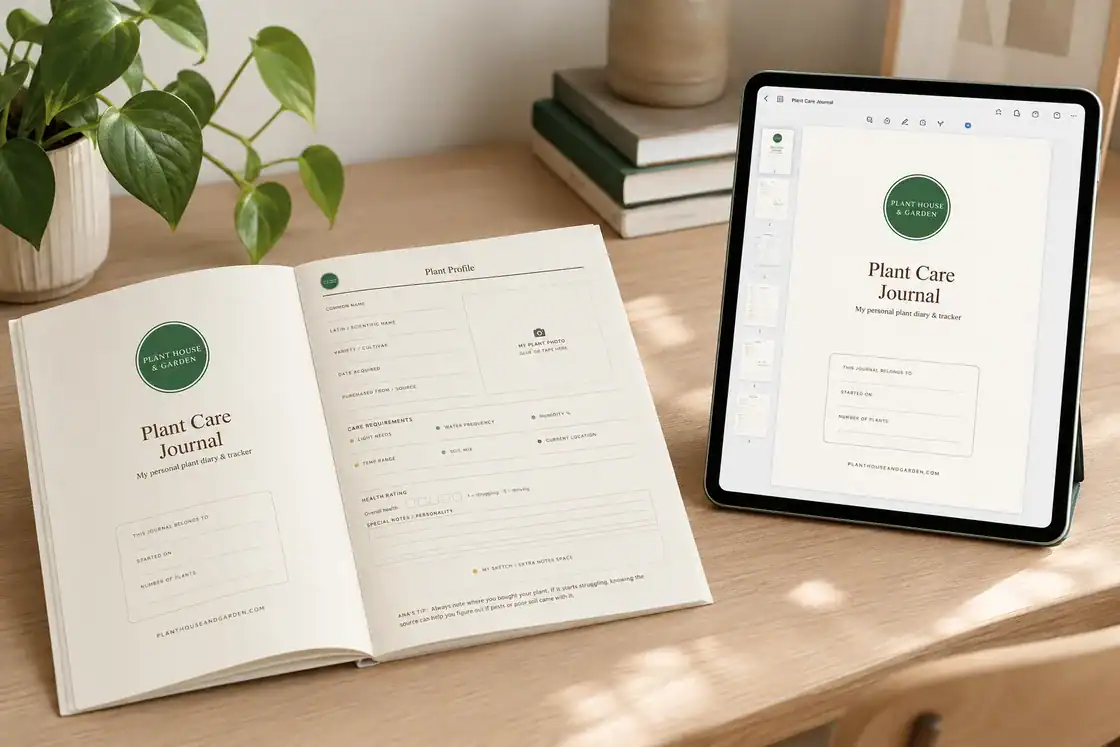
The black rubber plant is easy once its light and watering are right. My Plant Care Journal helps you track watering and keep those glossy leaves at their best.
Frequently Asked Questions
Why is my black rubber plant losing its glossy shine?
Dull leaves are usually caused by dust, low light, or hard water spots. Wipe the leaves gently with a damp cloth, move the plant somewhere brighter with indirect light, and use filtered water, and the glossy shine should return.
How often should I water a black rubber plant?
Water when the top inch or two of soil feels dry, usually about once a week in the growing season and less in winter. Rubber plants dislike soggy soil, so it is safer to let them dry slightly than to overwater.
Why are the leaves on my rubber plant turning yellow or dropping?
Yellowing and leaf drop are most often signs of overwatering or cold drafts. Let the soil dry out more between waterings, keep the plant away from cold windows and heat sources, and it should settle.
How do I keep my black rubber plant dark and colourful?
Bright, indirect light is the key. In low light the new leaves come in greener and the deep burgundy-black colour fades. Give it the brightest spot out of direct midday sun to keep that rich, dark colour.
Is the black rubber plant toxic to pets?
Yes, mildly. The milky sap of rubber plants can irritate the skin and is mildly toxic to cats and dogs if eaten. Keep it out of reach of pets, and wash your hands after pruning.
Final Thoughts
Black Rubber Plant care doesn’t require complicated routines - just consistency.
When light, watering, and soil are balanced, Ficus Elastica Burgundy rewards you with strong growth, deep color, and naturally glossy leaves. Stable indoor conditions make all the difference.
Focus on the basics, avoid extremes, and your plant will stay bold, structured, and healthy for years.
You May Also Like:

Related Articles
If you grow other Ficus varieties or want to avoid common mistakes, these guides may help:
• Rubber Plant Problems: 5 Mistakes to Avoid
• Ficus Elastica Tineke Care Problems

Written by Bojana
Plant lover, grower, and music maker behind Plant House & Garden, with 35+ years of hands-on houseplant experience. Read more about Bojana →