Monstera Leaves Turning Yellow: 9 Causes + Easy Fixes
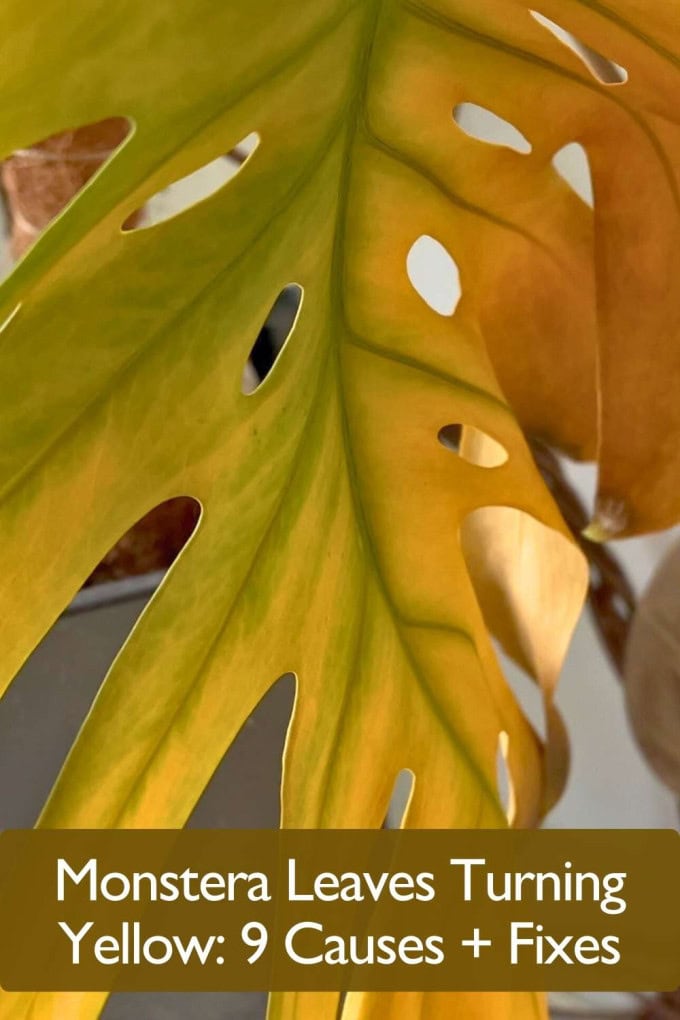
If your Monstera leaves turning yellow, don’t panic – you’re definitely not alone.
This is one of the most common problems Monstera owners face, and the frustrating part is… it can happen for more than one reason.
Sometimes it’s just one older leaf fading away naturally.
But other times, yellow leaves are your plant’s way of saying: “Something is off… and I need help.”
The good news?
Once you know what’s causing the yellowing, it’s usually very easy to fix, and your Monstera can bounce back faster than you think.
In this guide, I’ll walk you through the 9 most common causes of yellow Monstera leaves, how to spot the difference between them, and exactly what to do to stop the problem before it gets worse.
Let’s start with the most common mistake of all… ✅
1. Overwatering (The Most Common Cause)
The number one reason Monstera leaves turn yellow is overwatering. And honestly, this happens even to experienced plant owners, because Monsteras can be a little misleading.
At first, your plant may still look fine. The leaves stay big and beautiful, and the soil on top might even feel dry. So you water again, thinking you’re doing the right thing.
But deep down in the pot, the soil can stay wet for much longer than you realize. When that happens, the roots don’t get enough oxygen. They start to weaken, and little by little, they begin to rot. And once the roots are stressed, the leaves are the first place you’ll notice it.
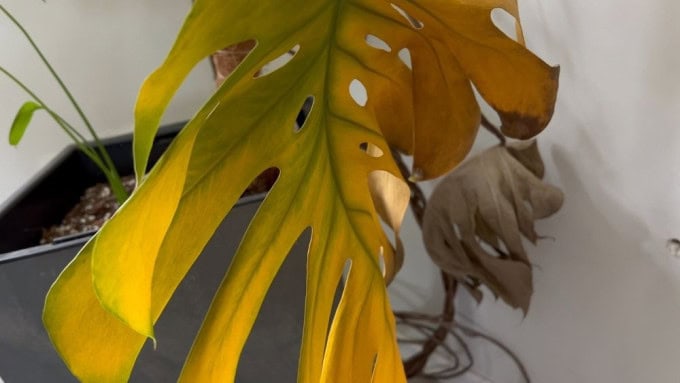
Yellowing from overwatering usually starts on the older leaves, often the lower ones. They may turn soft, pale, and droopy. Sometimes they even become slightly transparent before they completely yellow and fall off. You might also notice the soil staying damp for days, a musty smell, or little fungus gnats flying around the pot.
So what’s the fix?
First, stop watering immediately and let the soil dry out. Don’t follow a schedule. Instead, check the soil properly. Stick your finger about two inches deep. If it still feels moist, wait. Your Monstera would rather be slightly dry than constantly wet.
Next, make sure your pot has a drainage hole. This is non-negotiable. If water can’t escape, it sits at the bottom and keeps the roots soaked.
And if your Monstera keeps turning yellow even after you water less, it’s time to check the roots. Gently slide the plant out of the pot and look for signs of root rot. Healthy roots should be firm and light-colored. Rotten roots will look dark, mushy, and may smell bad. If you find rot, trim the damaged roots, repot the plant into fresh airy soil, and give it a chance to recover.
Overwatering is one of the fastest ways to lose a Monstera, but the good thing is… once you fix it, most plants recover beautifully.
If you want to learn how to water your houseplants the right way and avoid the most common mistakes, read my full article Houseplants Watering Tips – 5 Mistakes to Avoid: How, When & How Much to Water.
Now let’s move on to the opposite problem, which can look almost the same at first…
2. Underwatering (Dry Roots + Stress Yellowing)
Underwatering might sound like the opposite problem, but it can cause Monstera leaves turning yellow just as easily. And this one surprises a lot of people, because Monsteras are often described as “easy” plants… so we assume they don’t need much attention.
But when your Monstera stays dry for too long, the roots can’t absorb enough moisture to support the leaves. The plant starts conserving energy. And one of the first things it does is pull water and nutrients out of older leaves to protect the newer growth.
That’s when you’ll notice yellowing, especially on the lower leaves, and the plant may start to look tired and slightly droopy.
Yellowing from underwatering usually looks different than overwatering. The leaves often feel thinner, a bit crispy around the edges, and the soil feels very light and dry. Sometimes the leaf tips turn brown first, or the whole leaf turns yellow evenly before dropping off.
Another common sign is when water runs straight through the pot very quickly. That usually means the soil has become too dry and compact, and it’s no longer absorbing water properly. In some cases, the root ball can even shrink and pull away from the sides of the pot, making it hard for the roots to rehydrate.
So, what’s the fix?
Start by watering deeply and slowly. Don’t just add a little splash of water on top. Give your Monstera a thorough soak until water flows out of the drainage holes, and make sure all the soil gets evenly moist.
If the soil is extremely dry and water keeps running through too fast, you can bottom-water your plant. Place the pot in a bowl of water for about 20 to 30 minutes, then let it drain well. This helps the soil absorb moisture again and rehydrates the roots more evenly.
Going forward, the goal is consistency. You don’t need to keep your Monstera constantly wet, but you also don’t want it to completely dry out for too long. The easiest way is to check the soil before watering. When the top couple of inches are dry, that’s usually the perfect time to water again.
Underwatering is an easy fix, and Monsteras recover quickly once they’re rehydrated properly. But if your plant has been dry for weeks, it may take a little time for the yellowing to stop completely.
Now let’s talk about another hidden cause that makes yellowing even worse… and it has everything to do with the soil itself.
3. Poor Drainage or Compact Soil
Sometimes the problem isn’t how often you water… it’s the soil itself. If your Monstera is sitting in heavy, compact soil, the roots can stay wet for too long and slowly start struggling. That’s why yellow Monstera leaves often show up even when you think you’re doing everything right.
To fix this, always use a pot with drainage holes and choose a chunky, airy mix that drains well. If the soil stays wet for days or feels muddy, repotting is usually the best solution. And if you notice a musty smell, that’s another sign the roots may not be getting enough oxygen.
If you want your aroids to grow strong, healthy roots, read my full article Soil-Free Aroid Potting Mix: The Best DIY Recipe for Healthy Aroid Plants and learn how to make the perfect mix at home.
If you want a full visual breakdown of the most common Monstera mistakes (and how to avoid them), here’s my video that will help you instantly:

Click here to watch the video on YouTube
4. Not Enough Light
Monsteras can survive in low light, but they won’t thrive in it. When there isn’t enough light, the plant slows down, uses less water, and you may start noticing Monstera leaves turning yellow, especially on older leaves.
Move your Monstera closer to a bright window with indirect light. The brighter the spot, the easier it is for your plant to stay green, grow faster, and hold strong leaf color. If your Monstera lives in a darker corner, even adding a grow light can make a big difference.
5. Too Much Direct Sunlight
If your Monstera gets strong direct sun, especially hot afternoon sun, the leaves can become stressed and start yellowing. Sometimes it looks like fading patches, yellow areas, or even crispy edges.
This is a very common reason people ask, “why are my Monstera leaves turning yellow?” even though they water correctly.
The fix is simple: keep your Monstera in bright indirect light, and protect it from harsh sun hitting the leaves directly. If possible, use a sheer curtain to filter the light.
If you want to know more about light requirements for houseplants and how to find the perfect spot for each plant, read my full article Light Requirements for Houseplants: The Secret to Thriving Indoor Plants.
6. Nutrient Deficiency
If your Monstera hasn’t been fed in a long time, yellow leaves can be a sign it’s running out of nutrients. This often shows as pale leaves, slower growth, or yellowing that spreads gradually across the leaf.
A balanced houseplant fertilizer during the growing season can help a lot and improve the overall color quickly. If the newest leaves are turning yellow first, it could be a specific deficiency like iron or magnesium. And if you haven’t repotted in years, fresh soil alone can sometimes solve the problem.
7. Too Much Fertilizer or Salt Buildup
More fertilizer doesn’t mean faster growth. In fact, too much can burn the roots and lead to yellow Monstera leaves, brown tips, or strange leaf damage. Salt buildup can also happen from tap water and frequent feeding, and it builds up in the soil over time.
To fix it, pause fertilizing for a while and flush the soil with clean water to wash out excess salts. Let everything drain fully, then return to a lighter feeding schedule. If your plant suddenly started yellowing after feeding, this cause becomes even more likely.
8. Cold Temperatures or Drafts
Monsteras hate sudden cold air. Drafts from windows, doors, or air conditioners can shock the plant and cause leaves to yellow, especially in winter. Sometimes the yellowing appears fast, almost overnight.
If your Monstera sits near a drafty window, that might be the reason your leaves are turning yellow even though the soil looks fine. Move the plant to a stable warm spot away from airflow and temperature swings. Once it’s in a cozy location, it usually recovers with no extra effort.
If you want to know more about humidity and temperature for houseplants – and why they’re so important for healthy growth – read my full article Humidity and Temperature for Houseplants.
9. Natural Leaf Aging (Totally Normal!)
Sometimes yellow leaves aren’t a problem at all. If one older bottom leaf turns yellow while the rest of the plant looks healthy, it’s often just natural aging. This is very common with large Monsteras, especially as they produce new leaves.
In that case, you can simply trim the leaf once it turns fully yellow. The plant is just redirecting energy into new growth. But if multiple leaves start yellowing at the same time, then it’s time to go back and check the other causes.
Quick Answer
If you notice Monstera leaves turning yellow, the most common reasons are overwatering, underwatering, low light, or poor drainage. In many cases, yellow Monstera leaves happen because the roots are either staying too wet for too long or drying out completely between waterings.
If you’re wondering why are my Monstera leaves turning yellow, start by checking the soil moisture and making sure the pot drains properly. And if you see Monstera yellow leaves with brown spots, it can be a sign of overwatering, root stress, or even too much direct sun.
Fixing the watering routine is usually the fastest solution, especially when the issue is Monstera overwatering yellow leaves.
And if you want to grow a stronger, fuller Monstera after fixing the yellow leaves, this complete care + propagation guide will help you a lot:

Click here to watch the video on YouTube
FAQs About Monstera Leaves Turning Yellow
Why are my Monstera leaves turning yellow suddenly?
If your Monstera leaves are turning yellow suddenly, the most common cause is a fast change in watering or temperature. Overwatering is the #1 reason, especially if the soil stays wet for several days. Cold drafts, moving the plant to a darker spot, or sudden direct sun exposure can also trigger quick yellowing.
Should I cut off yellow Monstera leaves?
Yes, you can remove yellow leaves once they are mostly yellow because they won’t turn green again. Trimming them helps your plant focus energy on healthy growth. But always fix the cause first, otherwise new leaves may continue turning yellow.
Can yellow Monstera leaves turn green again?
In most cases, no. Once a leaf turns yellow, that damage is usually permanent. What you can do is stop the yellowing from spreading by correcting the care issue, so the rest of the plant stays healthy and new growth comes in strong.
Are yellow Monstera leaves a sign of overwatering?
Very often, yes. Monstera overwatering yellow leaves usually happen when the roots sit in wet soil for too long and can’t get enough oxygen. If your soil feels damp deep down, pause watering and let it dry out before watering again.
What does it mean if my Monstera has yellow leaves with brown spots?
Monstera yellow leaves with brown spots can happen for a few reasons. It can be overwatering and root stress, fertilizer burn, direct sunlight damage, or even inconsistent watering. Check the soil first, then look at the plant’s light exposure and feeding routine.
Why are only the bottom Monstera leaves turning yellow?
If only one or two older bottom leaves are turning yellow, it can be completely normal leaf aging. Monsteras naturally drop older leaves as they grow. But if multiple lower leaves turn yellow quickly, it often points to overwatering, poor drainage, or low light.
How often should I water a Monstera to prevent yellow leaves?
There’s no perfect schedule, because it depends on light, temperature, and pot size. The best method is to water only when the top couple inches of soil are dry. This helps prevent both overwatering and underwatering, which are the top reasons for yellow Monstera leaves.
Related Articles
- Epipremnum Marble Planet vs Monstera Peru Debunked (What the Science Actually Says)
- Monstera Deliciosa Problems: 5 Common Mistakes and Expert Care Tips
- Monstera Adansonii Care: How to Grow a Healthy Swiss Cheese Plant
- Monstera Deliciosa Propagation and Care: A Complete Guide
- Can Plants Feel Vibrations? Understanding Plant Bioacoustics
- Why Sphagnum Moss for Houseplants Is So Popular: Uses, Propagation & Root Rot Rescue

Click here to watch the video on YouTube
Explore More Music for Your Plants & Stay Connected!
Check out my Playlist: Music for Plants and find the perfect tunes to help your plants and yourself thrive.
Don’t forget to visit my YouTube Channel Plant House & Garden and subscribe – your support means the world to me!
Connect with me on social media for more plant care tips and music updates: Instagram | Facebook | X | Pinterest | Reddit | TikTok
Love plants? Love music? Don’t miss out on new updates – hit subscribe and follow now to keep your plants happy and your space vibrant!