Alocasia Lukiwan Care: Light, Watering & Common Problems
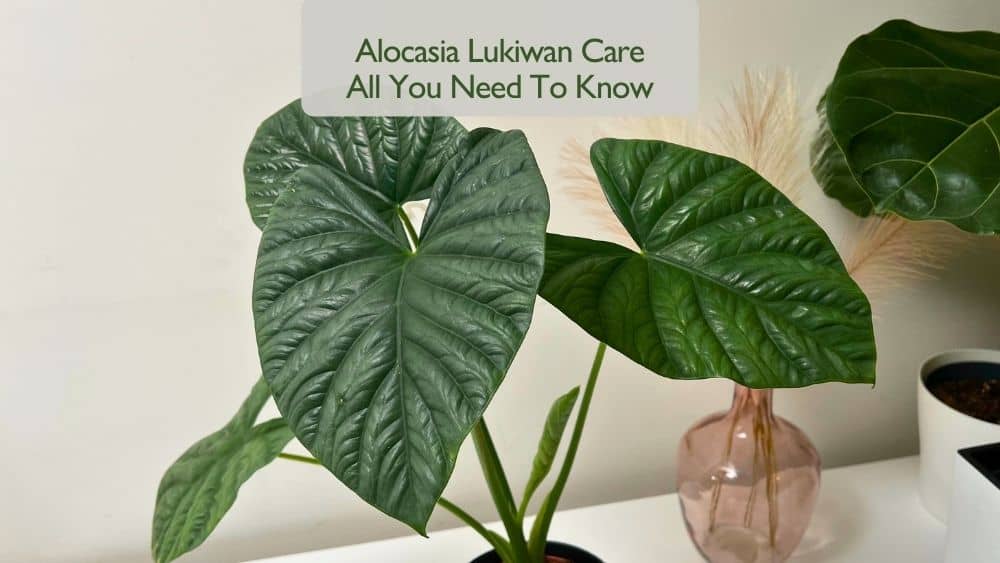
Alocasia Lukiwan is not a typical Alocasia that thrives with basic care. Its bold, sculptural leaves may look tough, but this plant is far more sensitive than its appearance suggests.
When I started growing my Alocasia Lukiwan, it became clear very quickly that general Alocasia care advice wasn’t enough. Light plays a much bigger role than most sources mention, watering needs to be precise rather than routine, and certain problems can appear even when everything seems correct.
In this guide, I’m sharing real, hands-on experience with Alocasia Lukiwan care – what worked for me, what didn’t, and how I solved the most common issues this plant can develop indoors.
If you already own an Alocasia Lukiwan or are considering adding this rare variety to your collection, this article will help you avoid common mistakes and understand what this plant truly needs to grow healthy and strong.

Alocasia Lukiwan Light Requirements
Light is one of the most important factors for healthy Alocasia Lukiwan care, and it’s also one of the most misunderstood. While this plant is often described as preferring “bright indirect light,” my experience showed that Lukiwan actually needs a lot of light to grow well.
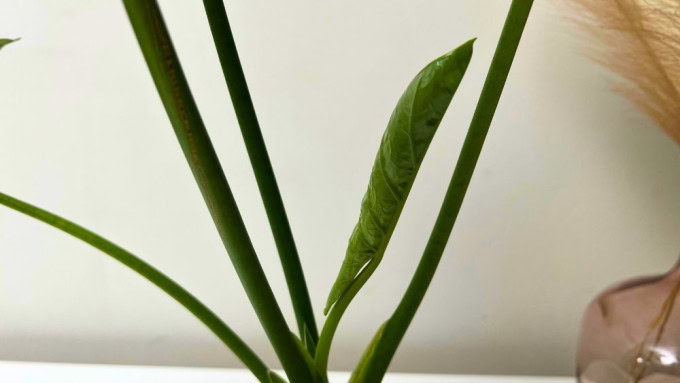
In lower light conditions, growth slows down noticeably. Leaf size is smaller, and new leaves take much longer to emerge. When exposed to bright light, however, Alocasia Lukiwan responds quickly with stronger growth and more frequent new leaves.
Can Alocasia Lukiwan Handle Direct Sunlight?
Yes – gentle direct sunlight is not only tolerated, but beneficial when managed correctly.
I’ve found that Alocasia Lukiwan can handle a few hours of soft, direct sun per day, especially morning or late afternoon light. The key is avoiding harsh midday sun, which can lead to leaf burn.
My Light Setup (Winter vs. Summer)
- Winter:
I keep my Alocasia Lukiwan directly in front of a west-facing window, where it receives maximum available daylight and few hours direct sunlight. During the darker months, I also supplement with grow lights to maintain consistent growth and prevent dormancy. - Summer:
In summer, the light intensity increases significantly. To prevent sunburn, I move the plant a few feet away from the same west-facing window, allowing it to receive bright light without prolonged direct exposure.
This seasonal adjustment made a noticeable difference in leaf quality and overall plant health.
Growth Response to Higher Light
One thing became very clear: when Alocasia Lukiwan receives more light, it grows much faster. New leaves emerge more frequently, and the plant maintains a stronger, more compact structure.
If your Alocasia Lukiwan isn’t growing as expected, light should be the first thing you evaluate before changing watering, soil, or fertilizer.
If you want to know more about light requirements for houseplants and how to find the perfect spot for each plant, read my full article Light Requirements for Houseplants: The Secret to Thriving Indoor Plants.
Alocasia Lukiwan Watering – What Worked for Me
Watering plays a major role in successful Alocasia Lukiwan care, and it’s closely connected to light. In my experience, the more light this plant receives, the more water it needs. This is especially true during active growth periods.
Because my Alocasia Lukiwan is kept in very bright light and in a relatively small pot, it dries out quickly. As a result, I usually water it every 4–5 days, and sometimes even more frequently depending on temperature and growth speed.
Bottom Watering vs. Top Watering
Most of the time, I use bottom watering, which allows the roots to absorb moisture evenly without keeping the top layer constantly wet. I typically bottom-water three times in a row.
Every fourth watering, however, I switch to a thorough top watering or give the plant a gentle shower in the bathroom. This serves two important purposes:
- it fully rehydrates the entire soil mass
- it helps flush out salt buildup from fertilizers and tap water
This combination has worked extremely well for keeping the root system healthy and preventing common watering-related problems.
How Alocasia Lukiwan Shows Thirst
Alocasia Lukiwan is surprisingly expressive when it needs water. When it becomes thirsty, the leaves begin to droop, signaling clearly that it’s time to water. Once watered properly, the plant recovers quickly.
That said, even though this is a very thirsty plant, it’s important to avoid constant wet soil. Overwatering can still lead to root issues, especially if light levels are low or drainage is poor.
Key Takeaway on Watering
Alocasia Lukiwan prefers a balance:
- frequent watering during active growth
- bright light to support that water use
- well-draining soil to prevent stagnation
If your plant is drooping, slow to grow, or showing stress, always evaluate light and watering together, not separately.
Soil & Pot Size for Alocasia Lukiwan
Soil and pot size have a much bigger impact on Alocasia Lukiwan care than many people realize. Because this plant grows quickly in bright light and drinks a lot of water, the root system needs both moisture and oxygen at the same time.
Best Soil Mix for Alocasia Lukiwan
From my experience, Alocasia Lukiwan performs best in an airy, fast-draining soil mix that still retains enough moisture for consistent hydration.
A compact or heavy soil stays wet for too long and increases the risk of root problems, especially when watering frequently. On the other hand, a well-aerated mix allows you to water more often without suffocating the roots.
A good Alocasia Lukiwan soil mix should:
- drain quickly
- stay lightly moist, not soggy
- allow oxygen to reach the roots
- dry evenly throughout the pot
This balance is especially important if the plant is kept in bright light and watered regularly.
If you want your aroids to grow strong, healthy roots, read my full article Soil-Free Aroid Potting Mix: The Best DIY Recipe for Healthy Aroid Plants and learn how to make the perfect mix at home.
Pot Size Matters More Than You Think
I keep my Alocasia Lukiwan in a relatively small pot, and this has been a key factor in its health. A smaller pot dries out faster, which helps prevent overwatering and encourages stronger root development.
Because the pot is small and the plant receives a lot of light, I can water more frequently without the soil staying wet for too long. This setup works very well for a plant that is both fast-growing and thirsty.
Using a pot that is too large often leads to excess moisture around the roots, especially if light levels drop. This can slow growth and increase the risk of root rot.
Drainage Is Non-Negotiable
No matter the soil mix or pot size, proper drainage is essential. The pot should always have drainage holes, allowing excess water to escape freely.
Good drainage makes it possible to:
- water thoroughly when needed
- flush the soil occasionally
- avoid stagnant moisture at the bottom of the pot
For Alocasia Lukiwan, drainage isn’t optional – it’s a requirement for long-term health.
How Soil, Pot Size, and Watering Work Together
The best results come when soil, pot size, light, and watering are treated as one system, not separate care steps. Bright light increases water use, a small pot allows faster drying, and an airy soil mix keeps roots healthy even with frequent watering.
When all three are balanced correctly, Alocasia Lukiwan grows faster, produces stronger leaves, and shows fewer problems overall.
Fertilizing Alocasia Lukiwan
Fertilizing is an important part of proper Alocasia Lukiwan care, especially during periods of active growth. Like all Alocasias, Alocasia Lukiwan is a heavy feeder and responds very well to regular nutrients when light and watering are balanced.
How I Fertilize My Alocasia Lukiwan
I fertilize my Alocasia Lukiwan with a diluted liquid fertilizer on almost every watering. Instead of feeding heavily once in a while, I prefer a “weakly, weekly” approach, which provides consistent nutrition without overwhelming the roots.
Because this plant grows quickly in bright light and is watered frequently, smaller but regular doses of fertilizer support steady growth and healthier leaves.
Why Frequent, Diluted Feeding Works Best
In my experience, Alocasia Lukiwan benefits more from low-strength, frequent feeding than from occasional strong doses. This approach:
- supports continuous leaf production
- reduces the risk of fertilizer burn
- keeps nutrient levels stable in the soil
- works especially well in small pots that dry out faster
All Alocasias are known to be heavy feeders, and when nutrients are limited, growth slows quickly, even if light and watering are correct.
Important Notes on Fertilizing
Even with regular feeding, it’s important to avoid salt buildup in the soil. This is why I periodically flush the soil with a thorough top watering or a gentle shower, as mentioned in the watering section.
During periods of slow growth or low light, fertilizing should be reduced or paused entirely to avoid unnecessary stress on the roots.
Humidity & Temperature for Alocasia Lukiwan
Alocasia Lukiwan prefers warm temperatures and moderate to high humidity, similar to other tropical Alocasias. Stable conditions make a noticeable difference in leaf quality and overall growth.
Humidity
Alocasia Lukiwan does best with humidity levels of at least 50%. While it can survive in lower humidity, growth may slow and leaf edges can begin to dry or crisp.
Higher humidity supports larger leaves and smoother growth, especially when the plant is actively growing. At the same time, good airflow is essential – constantly damp, stagnant air can increase the risk of fungal problems.
Temperature
This plant thrives in warm, consistent temperatures and does not tolerate cold well. Sudden temperature drops or cold drafts can cause stress, leaf drooping, or slowed growth.
Keeping Alocasia Lukiwan away from cold windows, air conditioners, and heating vents helps maintain steady growth throughout the year.
If you want to know more about humidity and temperature for houseplants – and why they’re so important for healthy growth – read my full article Humidity and Temperature for Houseplants.
Common Alocasia Lukiwan Problems (and How to Fix Them)
Even with good care, Alocasia Lukiwan can develop problems if one key factor is off. Most issues are not random, they’re usually the plant’s response to light, watering, or environmental imbalance.
Below are the most common problems I’ve encountered and how to correct them.
Drooping Leaves
Drooping leaves are one of the most common signals Alocasia Lukiwan gives and in most cases, it’s thirst, not disease.
When the plant is under-watered, especially in bright light, the leaves lose turgor and begin to droop. Once watered properly, the plant usually recovers quickly.
What to check:
- Has the soil dried out too much?
- Is the plant receiving strong light that increases water demand?
- Is the pot small and drying quickly?
If drooping persists after watering, reassess light and root health.
Yellowing Leaves
Yellow leaves can have more than one cause, so context matters.
Common reasons include:
- overwatering in low light
- poor drainage or compact soil
- nutrient imbalance or salt buildup
Occasional lower leaf yellowing can also happen naturally as the plant grows, especially if new leaves are emerging.
How to prevent it:
- Match watering frequency to light levels
- Use an airy, well-draining soil mix
- Flush the soil occasionally to remove excess salts
Slow or No Growth
Alocasia Lukiwan is capable of fast growth, but only under the right conditions. If growth is slow or stalled, light is usually the limiting factor.
Even with proper watering and fertilizing, insufficient light will dramatically slow leaf production.
What helps most:
- Increase light intensity
- Supplement with grow lights in winter
- Ensure regular, diluted feeding during active growth
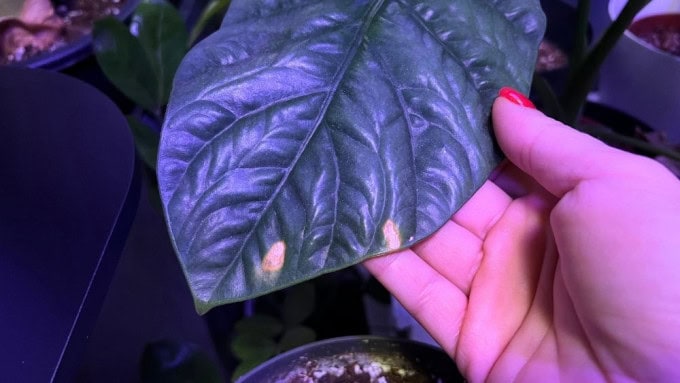
Leaf Burn or Scorched Spots
Leaf burn usually occurs when the plant is exposed to harsh direct sunlight, especially during summer.
While Alocasia Lukiwan tolerates gentle direct sun, intense midday sun can scorch the leaves.
Solution:
- Move the plant a few feet away from the window in summer
- Keep direct sun limited to soft morning or late afternoon light
Root Problems from Overwatering
Although Alocasia Lukiwan is a thirsty plant, constant wet soil can still cause root issues—especially in large pots or low light.
Signs may include:
- persistent yellowing
- weak growth
- soil staying wet for too long
Prevention:
- Use a smaller pot with good drainage
- Choose an airy soil mix
- Adjust watering frequency based on light and season
Most Alocasia Lukiwan problems are not caused by one single mistake, but by a mismatch between light, water, soil, and pot size. When these elements work together, this plant becomes far more resilient and rewarding to grow.
Pests on Alocasia Lukiwan
Like most Alocasias, Alocasia Lukiwan can be prone to pests, especially when grown indoors. The most common issues are spider mites, mealybugs, scale, and aphids. These pests usually appear when conditions are slightly off – most often low humidity, stress, or inconsistent care.
Spider mites are particularly common on Alocasias and can be difficult to notice at first. Fine webbing, pale speckling on the leaves, or dull-looking foliage are early warning signs. Mealybugs tend to hide along stems and leaf joints, while scale insects attach firmly to the plant and are often mistaken for part of the stem.
Regular inspection is key. Catching pests early makes treatment much easier and prevents long-term damage.
How I Treat Pests on Alocasias
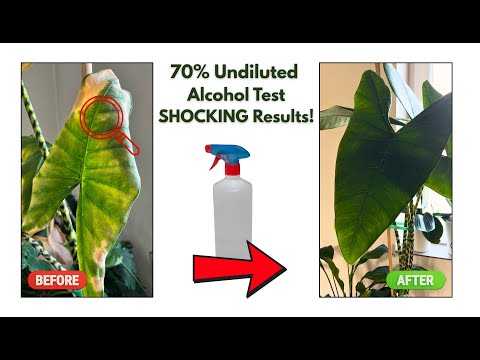
Over time, I’ve tested different methods for pest control on houseplants, including Alocasias. One method that raised a lot of questions was using undiluted 70% isopropyl alcohol.
Because there’s a lot of conflicting advice online, I decided to test it properly and document the results step by step:
Click here to watch the video on YouTube
Alocasia Lukiwan Care – FAQ
Is Alocasia Lukiwan rare?
Yes, Alocasia Lukiwan is considered a rare Alocasia variety, especially compared to more common types like Polly or Frydek. It’s not always easy to find, and detailed care information is still limited, which is why proper care is important once you have it.
How much light does Alocasia Lukiwan need?
Alocasia Lukiwan needs bright light to grow well. In my experience, it tolerates a few hours of gentle direct sunlight per day and grows much faster in higher light. Low light will significantly slow growth.
Can Alocasia Lukiwan handle direct sunlight?
Yes, gentle direct sunlight is well tolerated, especially morning or late afternoon sun. Harsh midday sun should be avoided, particularly in summer, as it can cause leaf burn.
How often should I water Alocasia Lukiwan?
Watering frequency depends on light, pot size, and season. In bright light and a small pot, watering every 4–5 days is common. Alocasia Lukiwan is a thirsty plant, but the soil should never stay constantly wet.
How do I know when Alocasia Lukiwan needs water?
When Alocasia Lukiwan is thirsty, the leaves begin to droop. This is usually a clear signal that it’s time to water. Once watered, the plant typically recovers quickly.
Does Alocasia Lukiwan need high humidity?
Yes, this plant grows best with humidity levels of at least 50%. While it can survive in lower humidity, growth may slow and leaf edges can dry out.
What is the best soil for Alocasia Lukiwan?
Alocasia Lukiwan prefers an airy, well-draining soil mix that holds moisture without becoming compact. Good drainage and oxygen around the roots are essential, especially with frequent watering.
Should I fertilize Alocasia Lukiwan?
Yes. Like all Alocasias, Alocasia Lukiwan is a heavy feeder. It responds very well to regular, diluted liquid fertilizer, especially during active growth in bright light.
Why is my Alocasia Lukiwan not growing?
Slow or stalled growth is usually caused by insufficient light. Even with proper watering and fertilizing, low light will dramatically reduce growth speed.
Is Alocasia Lukiwan prone to pests?
Yes. Common pests include spider mites, mealybugs, scale, and aphids. Regular inspection and stable care conditions help prevent infestations.
Is Alocasia Lukiwan toxic?
Yes. Like other Alocasias, Alocasia Lukiwan is toxic if ingested and should be kept away from pets and small children. If you share your home with pets and want to keep both them and your plants safe, read my full article Pet-Friendly Houseplants: Toxic vs. Non-Toxic Plants – Which Are Safe?.
Alocasia Lukiwan Quick Care Cheat Sheet
| Care Factor | Recommendation |
|---|---|
| Light | Bright light; tolerates a few hours of gentle direct sun |
| Direct Sun | Morning or late afternoon sun only; avoid harsh midday sun |
| Watering | Every 4–5 days in bright light; adjust based on pot size |
| Watering Method | Bottom water regularly; flush from top occasionally |
| Soil | Airy, well-draining mix that stays lightly moist |
| Pot Size | Smaller pot preferred for faster drying and healthier roots |
| Humidity | Minimum 50% humidity |
| Temperature | Warm, stable temperatures; avoid cold drafts |
| Fertilizer | Diluted liquid fertilizer with most waterings |
| Growth Speed | Fast in high light with regular feeding |
| Common Problems | Drooping (thirst), slow growth (low light), yellowing (imbalance) |
| Pests | Spider mites, mealybugs, scale, aphids |
| Toxicity | Toxic if ingested (pets & children) |
Final Thoughts on Alocasia Lukiwan Care
Alocasia Lukiwan may look bold and architectural, but it thrives only when its care is intentional and balanced. This is not a plant that does well on autopilot. Once you understand how light, watering, soil, and feeding work together, it becomes far more predictable and rewarding.
From my experience, light is the main driver. When light is right, watering becomes easier, fertilizing makes sense, and growth speeds up noticeably. Most problems with Alocasia Lukiwan don’t come from one mistake, but from a mismatch between conditions.
If you’re willing to observe your plant and adjust care seasonally, Alocasia Lukiwan can be a fast-growing, striking addition to any Alocasia collection.
Related Articles
- Alocasia Care Problems: 6 Mistakes To Avoid
- Alocasia Tigrina Care – Everything You Need to Know
- Alocasia Jacklyn Care – Everything You Need to Know
- Alocasia Amazonica Care: The Ultimate Guide to Thriving African Mask Houseplants
- How to Grow Bigger Leaves on Alocasia Regal Shield: Proven Indoor Tips That Work

Click here to watch the video on YouTube
Explore More Music for Your Plants & Stay Connected!
Check out my Playlist: Music for Plants and find the perfect tunes to help your plants and yourself thrive.
Don’t forget to visit my YouTube Channel Plant House & Garden and subscribe – your support means the world to me!
Connect with me on social media for more plant care tips and music updates: Instagram | Facebook | X | Pinterest | Reddit | TikTok
Love plants? Love music? Don’t miss out on new updates – hit subscribe and follow now to keep your plants happy and your space vibrant!