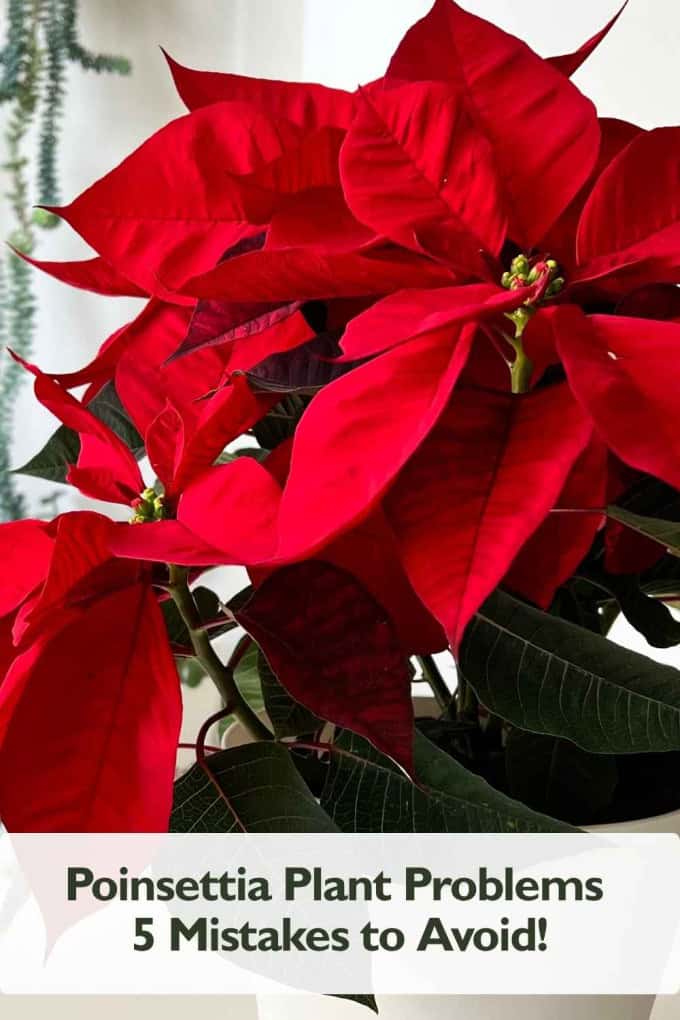
Poinsettia Plant Problems - 5 Mistakes to Avoid (Care Tips for Healthy Christmas Plants)
Poinsettias are the stars of the winter season - bright, festive, and stunning in any home. But many people face poinsettia plant problems soon after bringing them home. Leaves start dropping… turning yellow… or the plant suddenly looks sad just a few days later.
Good news?
Most poinsettia plant problems come from just a few simple mistakes. And once you know how to avoid them, your plant can stay beautiful for months - even long after the holidays end!
In this guide, I’ll explore 5 BIG poinsettia plant problems and mistakes to avoid, what causes them, and the easy fixes that make all the difference.
If you're new to poinsettias and want to prevent common poinsettia plant problems, you can watch my video below on how to care for this plant all year round:

Click here to watch the video on YouTube
| Mistake | How to fix it |
|---|---|
| Cold drafts | Keep away from doors and windows, poinsettias hate the cold |
| Overwatering | Water only when the top of the soil feels dry, never leave it soggy |
| Too little light | Give it bright, indirect light for at least 6 hours a day |
| Dry heat | Keep away from radiators and fires, which dry it out fast |
| Poor drainage | Use a pot with drainage holes and remove decorative foil |
Why Poinsettias Can Be Tricky Indoors
Poinsettias are tropical plants from Mexico.
They love warmth, humidity, and steady light.
But during winter, indoor environments are the opposite:
Cyclamen are another popular holiday plant that suffer from the same overwatering mistakes.
- Cold drafts near doors and windows
- Dry air from heating
- Low light inside the house
- Overwatering because plants grow slower in the cold
So when poinsettias get stressed, they show it quickly.
Let’s keep them happy.
Mistake #1: Exposure to Cold & Drafts
One of the most common poinsettia plant problems is sudden leaf drop, especially on the lower part of the plant. Poinsettias are tropical plants, which means they are extremely sensitive to cold air, drafts, and rapid temperature changes. Even a few minutes in low temperatures during transport can lead to shock and poinsettia leaves falling shortly after you bring the plant home.
To avoid this problem, always keep your poinsettia in a warm and stable environment. The ideal temperature range is 65-75°F (18-24°C). Keep the plant away from cold windows, open doors, and drafty hallways. When transporting or buying a poinsettia outdoors, wrap it carefully with paper or a protective bag to keep it warm. Also, avoid leaving it in a cold car while shopping, because the quick temperature drop can cause immediate stress.
A consistently warm environment is one of the most important factors for a long-lasting and healthy poinsettia.
Mistake #2: Overwatering
Another very common poinsettia plant problem is yellowing leaves and mushy stems caused by overwatering. Many holiday poinsettias come wrapped in decorative foil, which traps excess water inside the pot. When roots sit in soggy soil for too long, they cannot breathe and begin to rot - leading to weak growth and poinsettia leaves falling off.
To avoid this problem, always check the soil before you water. The top 1-2 inches (2.5-5 cm) should feel dry to the touch. If it still feels damp, wait a few more days. Make sure the pot has drainage holes and remove or pierce the foil cover so extra water can escape freely. After watering, empty the saucer so the roots never sit in standing water. Use room-temperature water - cold water can shock the roots.
Keeping the soil just slightly moist but never wet is the key to preventing root rot and maintaining healthy poinsettia leaves. If you want to learn how to water your houseplants the right way and avoid the most common mistakes, read my full article Houseplants Watering Tips - 5 Mistakes to Avoid: How, When & How Much to Water.
Mistake #3: Not Enough Light
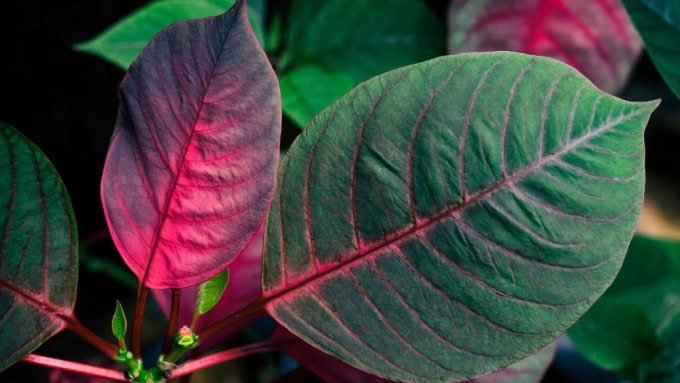
Low light is another top reason for poinsettia plant problems, especially in winter when the days are short. Without enough light, poinsettia leaves may lose their bright color, new growth becomes stretched and weak, and eventually leaves start dropping from the bottom upward.
To fix this, place your poinsettia near a bright south or west-facing window where it can receive plenty of indirect natural light. Rotate the plant every week so it grows evenly. Avoid leaving it in dark corners or rooms with very limited daylight. If your home doesn’t get enough natural light, a simple grow light can make a big difference in maintaining strong color and preventing poinsettia yellowing leaves.
Light is food for the plant, more light means a stronger and longer-lasting poinsettia. If you want to know more about light requirements for houseplants and how to find the perfect spot for each plant, read my full article Light Requirements for Houseplants: The Secret to Thriving Indoor Plants.
Mistake #4: Heat from Radiators and Fireplaces
While poinsettias dislike cold, too much heat is also a major cause of poinsettia plant problems. Dry heat from radiators, heating vents, and fireplaces causes leaves to lose moisture quickly. When the air around the plant becomes too hot and dry, the edges of the leaves turn crispy, curl, and eventually drop.
Keep your poinsettia away from direct heat sources and maintain a healthy humidity level indoors. Aim for around 40-60% humidity for best results. A small humidifier nearby works wonderfully, but even a simple pebble tray with water under the pot can help. Also avoid placing poinsettias above radiators or heated floors where warm air constantly rises.
Balanced warmth - not intense heat - will keep your poinsettia full and vibrant. If you want to know more about humidity and temperature for houseplants - and why they’re so important for healthy growth - read my full article Humidity and Temperature for Houseplants.
Mistake #5: Wrong Pot or Poor Drainage
Poor drainage is one of the hidden causes behind many poinsettia plant problems. Dense soil mixes and pots without drainage holes trap water and create the perfect environment for root rot, fungus gnats, and weak poinsettia leaves.
To avoid this, ensure your poinsettia is in a pot with proper drainage. If you plan to keep the plant long after the holidays and notice the roots are overcrowded, you can repot into fresh soil. Choose a lightweight, well-draining mix: regular houseplant soil with about 30% perlite or coarse sand works perfectly. Also, lift the pot occasionally - if it feels heavy, the soil is likely still very wet and does not need more watering.
Strong roots are the foundation of a healthy poinsettia, good drainage helps them stay that way.
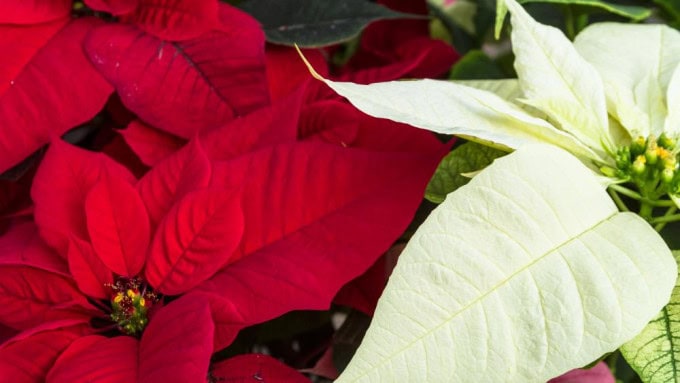
Bonus Tips to Prevent Poinsettia Plant Problems
To keep poinsettia plant problems away and extend your plant’s colorful life, these extra tips will help:
- Don’t fertilize during the holiday blooming period.
Fertilizing too early can stress the plant. Start feeding in late winter or spring once new green growth appears. - Keep it away from fresh fruit.
Fruits release ethylene gas, which can cause poinsettia leaves falling faster. - Mildly toxic, but not deadly for pets.
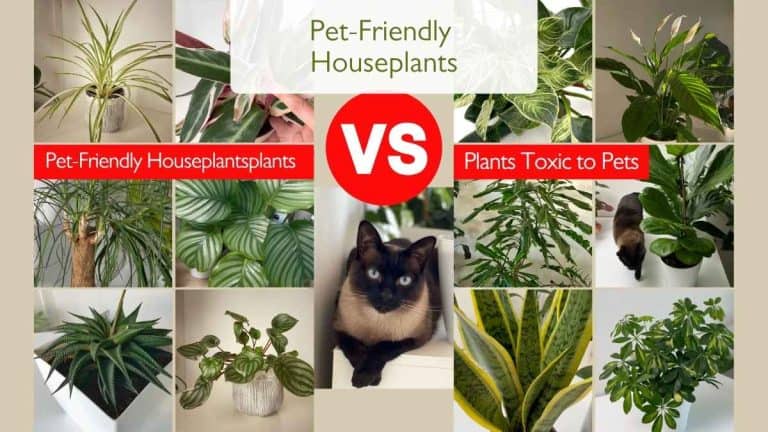
Poinsettias may cause irritation if chewed by cats or dogs, but they are far less harmful than once believed. Still, keep them out of reach to avoid stomach upset. Read more about Pet-Friendly Houseplants
Small adjustments like these make a huge difference in keeping your poinsettia beautiful longer.
Poinsettias are easy once you avoid those common mistakes. My Plant Care Journal helps you track watering and conditions so yours stays healthy. For more troubleshooting, see our houseplant pests and problems guide.
Frequently Asked Questions
Why is my poinsettia dropping leaves?
Leaf drop is usually caused by cold drafts, sudden temperature changes, overwatering, or too little light. Keep your poinsettia warm and in a stable, bright spot, and water only when the top of the soil is dry, and the leaf drop should stop.
How often should I water a poinsettia?
Water only when the top inch of soil feels dry, then water thoroughly and let any excess drain away. Poinsettias hate sitting in water, so always remove decorative foil or empty the saucer to prevent root rot.
Are poinsettias poisonous?
Poinsettias have a reputation for being deadly, but that is largely a myth. They are only mildly toxic and can cause mild mouth or stomach irritation if eaten. It is still sensible to keep them out of reach of pets and small children.
How do I keep my poinsettia colourful?
The coloured bracts last longest in bright, indirect light, steady warmth, and away from drafts and dry heat. Avoid overwatering, and your poinsettia can stay vibrant for many weeks, often well past the holidays.
Can I keep a poinsettia after Christmas?
Yes. With good care a poinsettia is a perennial that can live for years. Keep it warm and bright through winter, cut it back and feed it in spring, and with a careful autumn light routine it can even recolour the next season.
Final Thoughts
Many poinsettia plant problems happen because we treat this tropical plant like a regular winter decoration. But once we give it the right care - warmth, bright light, proper watering, and protection from heat and drafts - it rewards us with vibrant color and healthy leaves for months.
Remember:
Warm, bright, and slightly moist is the perfect combination for a strong poinsettia.
If you want your holiday plant to last well beyond Christmas and avoid poinsettia leaves turning yellow or dropping, just follow the simple tips in this guide - your poinsettia will thank you!
Related Articles You Might Find Helpful
To support your winter plant care, here are useful guides from my blog:
- Winter Plant Care Tips: 5 BIG Mistakes to Avoid
- Houseplants Watering Tips
- How to Get Rid of Fungus Gnats in Houseplants Permanently
- Light Requirements for Houseplants
- Organic Fertilizer for Houseplants
Relaxing Music for You and Your Plants
During winter, indoor air and low light can cause stress for many plants - not just poinsettias.
🎵 To support better growth and reduce poinsettia plant problems, play this relaxing music designed especially for houseplants:

Click here to watch the video on YouTube
Written by Bojana
Plant lover, grower, and music maker behind Plant House & Garden, with 35+ years of hands-on houseplant experience. Read more about Bojana →