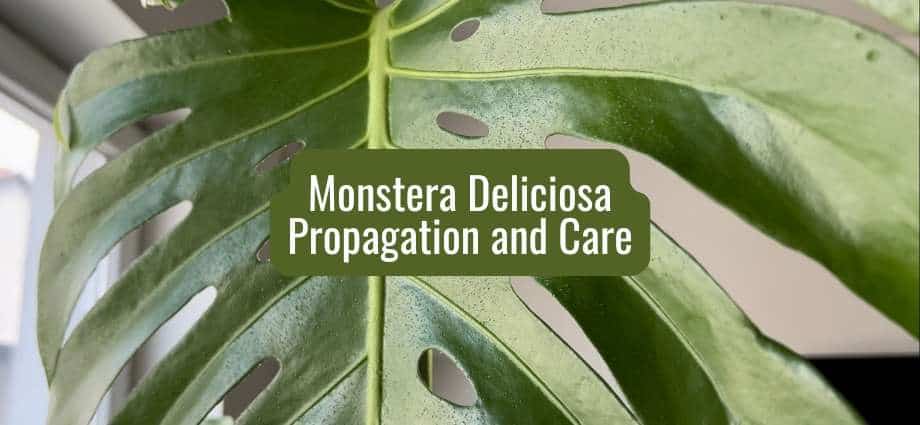
Monstera Deliciosa Propagation and Care: A Complete Guide
Monstera Deliciosa, commonly known as the Swiss Cheese Plant, is a tropical houseplant adored for its large, glossy leaves and easy-to-care-for nature. In this article, I’ll walk you through the steps of Monstera Deliciosa Propagation and care, so you can grow new plants and maintain the health of your existing one. For a visual guide for Monstera Deliciosa propagation and care, watch the video below.

Monstera Deliciosa Care
Monstera Deliciosa is a resilient and low-maintenance plant, making it a popular choice for indoor gardening. However, to keep your Monstera thriving, there are a few important care tips to follow.
Light:
This plant prefers bright, indirect sunlight. Placing it in filtered light or a slightly shaded spot works best. Direct sunlight can scorch the leaves, so it’s important to avoid placing it in harsh light.
Watering:
Monstera Deliciosa thrives in slightly moist soil. Allow the top inch of the soil to dry out between waterings to avoid overwatering, which can lead to root rot. Be sure to use a pot with drainage holes to prevent water from accumulating.
Humidity:
This plant loves a humid environment, but it’s adaptable to average household humidity levels. To boost humidity, mist the plant with filtered water once or twice a week or place a tray of water near it. Adding a humidifier nearby can also help maintain ideal humidity levels.
Pruning Yellow Leaves:
If you notice the lower leaves turning yellow, don’t worry, it’s a normal part of the plant’s aging process. Trim these leaves to maintain the plant’s health and direct its energy toward new growth. Simply use clean pruning shears to cut the leaves at the base.

Propagating Monstera Deliciosa
| Stage | What to do |
|---|---|
| Week 0 | Cut just below a node on a stem with 1 to 2 leaves. Let the cut air-dry for an hour. |
| Week 1 | Node submerged, leaves above the water, bright indirect light. Top the water up as it drops. |
| Week 2 to 3 | A small nub forms at the node. Refresh the water fully every two weeks. |
| Week 4 to 8 | Roots reach 3 to 5 inches. This is when the cutting is ready for soil. |
| Potting up | Chunky aroid mix, small pot, add up to 20 percent LECA for drainage. Water generously once. |
| First 6 months | No fertilizer while the roots settle. Keep the mix just moist, never soggy. |
| Month 6 onward | Start a balanced houseplant feed and give it something to climb. |
Now, let’s dive into the exciting process of propagation. Propagating Monstera Deliciosa is a simple and rewarding way to grow new plants from cuttings. Here’s how to do it.
Choosing a Stem:
Start by selecting a healthy stem from your Monstera. Ensure the stem has at least two visible nodes (points where leaves emerge) and two leaves. Stems without nodes or just a single leaf will not successfully propagate, so it’s essential to pick a stem with the right features.
Making the Cut:
Once you’ve identified a healthy stem, use sharp and clean pruning shears to make a clean cut just below the node. This will give the cutting the best chance to develop roots.
Water Propagation:
After cutting the stem, place it in water if it has no visible roots. Select a container filled with water and submerge the nodes while keeping the leaves above water. Position the container in a bright location, away from direct sunlight. You don’t need to change the water often, just top it up as needed, and replace it every two weeks. Within a month or two, roots will start to develop.
Planting in Soil:
Once the roots have developed, you can transfer the cutting to soil. Choose a well-draining potting mix suitable for houseplants. You can also add around 20% leca (lightweight expanded clay aggregate) for extra drainage, though it’s not mandatory. Smaller pots work best since Monstera plants prefer to be slightly root-bound.
After placing the plant in the pot, add support if needed to help the plant grow upright. Water the plant generously after potting, ensuring that the soil is well-hydrated.

Caring for Your New Monstera Deliciosa
After propagation, it’s important to continue caring for your new Monstera Deliciosa to ensure it thrives.
Watering:
Water thoroughly and ensure the excess water drains away. In the beginning, it’s crucial to avoid overwatering. Always check the soil moisture by feeling the top two inches. If they are dry, it’s time to water.
Fertilizing:
Hold off on fertilizing for the first six months after propagation. The plant’s roots are still delicate and can be damaged by fertilizer. Once the plant is established, you can begin feeding it with a balanced houseplant fertilizer.
Pest Prevention:
To keep pests at bay, spray the plant once a month with a diluted neem oil solution. Follow the manufacturer’s instructions carefully for proper application.
Common Challenges in Monstera Deliciosa Propagation and Care
Like all plants, Monstera Deliciosa can face challenges. Here are a few common issues and how to handle them as part of your propagation and care routine:
- Yellowing Leaves: Often due to overwatering or insufficient light. Adjust watering schedule and relocate if necessary.
- Root Rot: Caused by poor drainage and excessive moisture. Use well-draining soil and pots with drainage holes.
- Pests: Spider mites, mealybugs, and scale insects can infest Monsteras. Inspect regularly and treat with neem oil or insecticidal soap.
- Leggy Growth: Insufficient light leads to elongated stems and sparse leaves. Increase indirect light exposure.
Addressing these issues promptly is a key part of expert Monstera Deliciosa propagation and care.
Why Proper Monstera Deliciosa Propagation and Care Matter
Successful Monstera Deliciosa propagation and care not only expands your plant collection but also ensures long-term plant health and vigor. Healthy Monsteras with proper care produce larger, more attractive leaves with distinctive fenestrations and can become striking focal points in your home.
By mastering propagation techniques and maintaining proper care routines, you create an environment where your Monstera thrives and grows lushly. This brings satisfaction and beauty, whether you’re a casual plant lover or an experienced indoor gardener.
Final Thoughts on Monstera Deliciosa Propagation and Care
By following this complete guide to Monstera Deliciosa propagation and care, you’ll enjoy the rewarding experience of nurturing new plants while keeping your existing Monstera healthy and vibrant. Remember, patience and attention to detail are what matter, and each step from selecting cuttings to providing ideal care contributes to your plant’s success.
If you want to learn how to make your plant's leaves shine, you can follow my homemade leaf shine recipe for beautiful healthy and shiny leaves.
By following these steps, you’ll not only maintain the health of your plant and also a successful Monstera Deliciosa propagation and care. For a visual guide to propagation, watch the video below.
Happy growing!

Monstera Deliciosa Propagation FAQs
How long does Monstera Deliciosa take to root in water?
Roots normally show within 4 to 8 weeks, faster in spring and summer, slower in winter. Wait until they are 3 to 5 inches long before potting up, so the cutting can support itself in soil.
Can you propagate a Monstera from a leaf with no node?
No. A leaf on its own will live in water for months and never root, because the node is where the growth tissue sits. Always cut a piece of stem that includes at least one node.
Should I cut off the aerial root when I take a cutting?
Leave it on. An aerial root gives the cutting a head start and will adapt to water or soil quite happily. Just avoid burying a long dry one deep in the mix, where it can rot.
Why is my Monstera cutting turning yellow in water?
Usually stale water or too much of the stem submerged. Change the water fully every couple of weeks, keep only the node under water, and move it somewhere bright but out of direct sun.
Will a propagated Monstera have split leaves?
Eventually, yes. New plants start with plain heart-shaped leaves and only develop fenestrations once they mature and get enough light. Give it bright indirect light and something to climb and the splits will come.
Related Articles
- Monstera Leaves Turning Yellow: 9 Causes + Easy Fixes
- Epipremnum Marble Planet vs Monstera Peru Debunked (What the Science Actually Says)
- Monstera Deliciosa Problems: 5 Common Mistakes and Expert Care Tips
- Monstera Adansonii Care: How to Grow a Healthy Swiss Cheese Plant
Want to multiply more of your plants? This guide is part of my complete houseplant propagation guide, where every method is explained in one place.

Written by Bojana
Plant lover, grower, and music maker behind Plant House & Garden, with 35+ years of hands-on houseplant experience. Read more about Bojana →