Strelitzia Nicolai Repotting: How to Repot Bird of Paradise + Mistakes to Avoid
Strelitzia Nicolai repotting is an important step if you want your Bird of Paradise plant to stay healthy, grow large leaves, and continue developing a strong root system. Over time, this fast-growing tropical plant can easily outgrow its pot, and when that happens, the roots begin circling tightly inside the container or even pushing through the drainage holes. Repotting a Bird of Paradise (Strelitzia Nicolai) becomes necessary when the plant becomes root bound.
Repotting at the right time gives the plant more space, fresh soil, and better airflow around the roots. But if it’s done incorrectly, it can cause unnecessary stress or damage to the root system, especially when the plant becomes severely root bound.
In this guide, I’ll show you when to repot Strelitzia Nicolai, how to choose the right pot size, what soil mix works best, and the most common Bird of Paradise repotting mistakes to avoid.
If you prefer to see the full process step by step, you can also watch the video below where I demonstrate exactly how I repotted my Strelitzia Nicolai.

When to Repot Strelitzia Nicolai
Strelitzia Nicolai is a fast-growing tropical plant, and over time its roots will fill the entire pot. Because of that, repotting becomes necessary every few years to give the plant enough space to continue growing.
In most cases, Strelitzia Nicolai needs repotting every two to three years. However, instead of following a strict schedule, it’s always better to observe the plant itself.
One clear sign is when roots start growing out of the drainage holes at the bottom of the pot. Another common sign is when the soil dries out much faster than before, which usually means the roots have taken over most of the space inside the container.
You may also notice slower growth or smaller new leaves. When this happens, it usually means the plant no longer has enough room to expand its root system.
The best time to repot Strelitzia Nicolai is during spring or early summer, when the plant is actively growing and can recover quickly after being moved to fresh soil.
Choosing the Right Pot Size for Strelitzia Nicolai
Choosing the correct pot size is one of the most important parts of successful Strelitzia Nicolai repotting.
A common mistake people make is selecting a pot that is much too large. While it might seem like giving the plant extra space is helpful, an oversized pot can actually hold too much moisture and increase the risk of root rot.
Instead, it’s always better to move the plant gradually into a slightly larger container. A good rule is to choose a pot that is about 2–4 cm wider than the previous one.
This allows the roots to slowly expand into the new soil without leaving large areas of wet soil around them.
Always make sure the pot has drainage holes. Proper drainage is essential for Bird of Paradise plants because their roots do not tolerate sitting in water for long periods.
Best Soil Mix for Strelitzia Nicolai
Strelitzia Nicolai prefers a light, well-draining soil mix that allows both water and air to move easily around the roots.
Heavy, compact soil can trap moisture and prevent oxygen from reaching the root system, which may eventually lead to root rot.
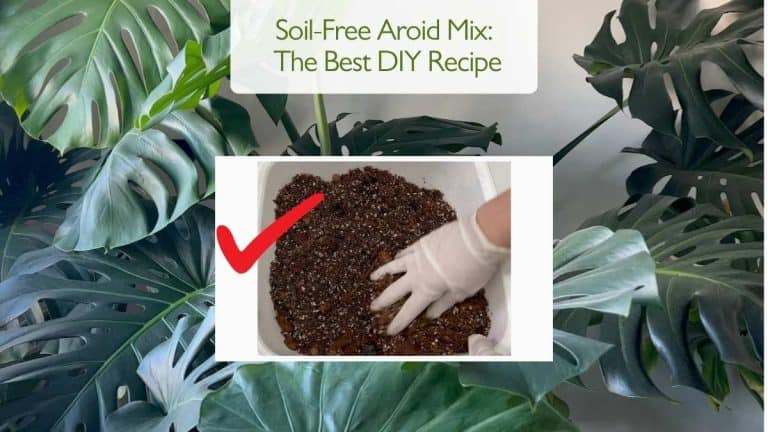
For this plant, a chunky and airy mix works best. A simple and effective combination is equal parts regular houseplant potting mix, perlite, and orchid bark.
The potting soil provides nutrients, the perlite improves drainage, and the orchid bark helps keep the soil structure loose and breathable.
This type of soil mix creates the ideal environment for strong root development and healthy plant growth.
How to Repot Strelitzia Nicolai (Step-by-Step)
Repotting a Bird of Paradise plant is not complicated, but it’s important to handle the roots carefully, especially if the plant has become root bound.
1. Remove the plant from the pot
Before removing the plant, it’s best if the soil is slightly dry. This makes it easier to slide the plant out without damaging the roots.
If the plant comes out easily, gently lift it from the pot while supporting the base of the stems.
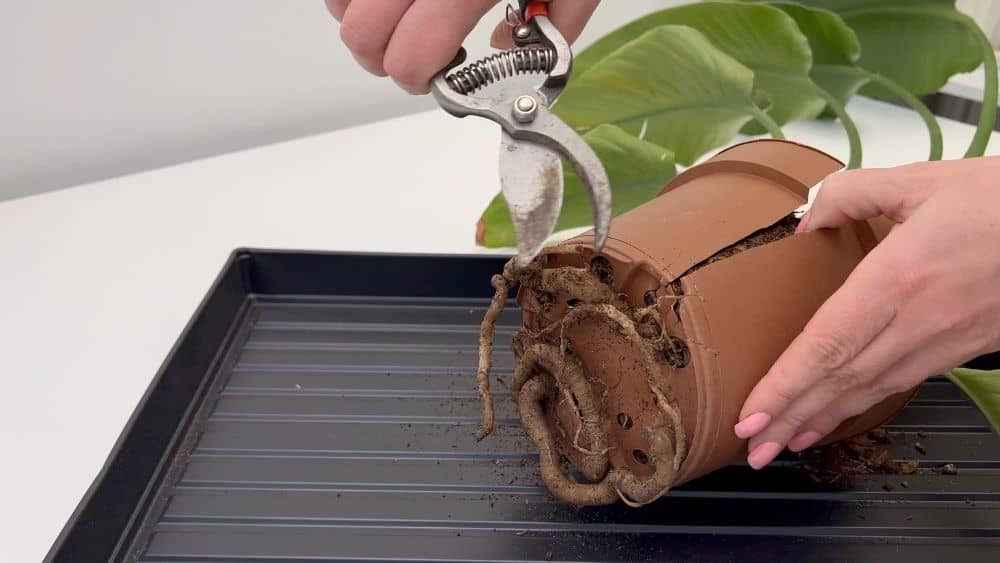
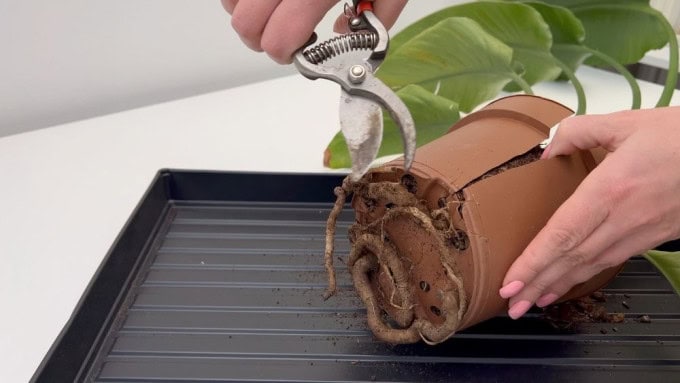
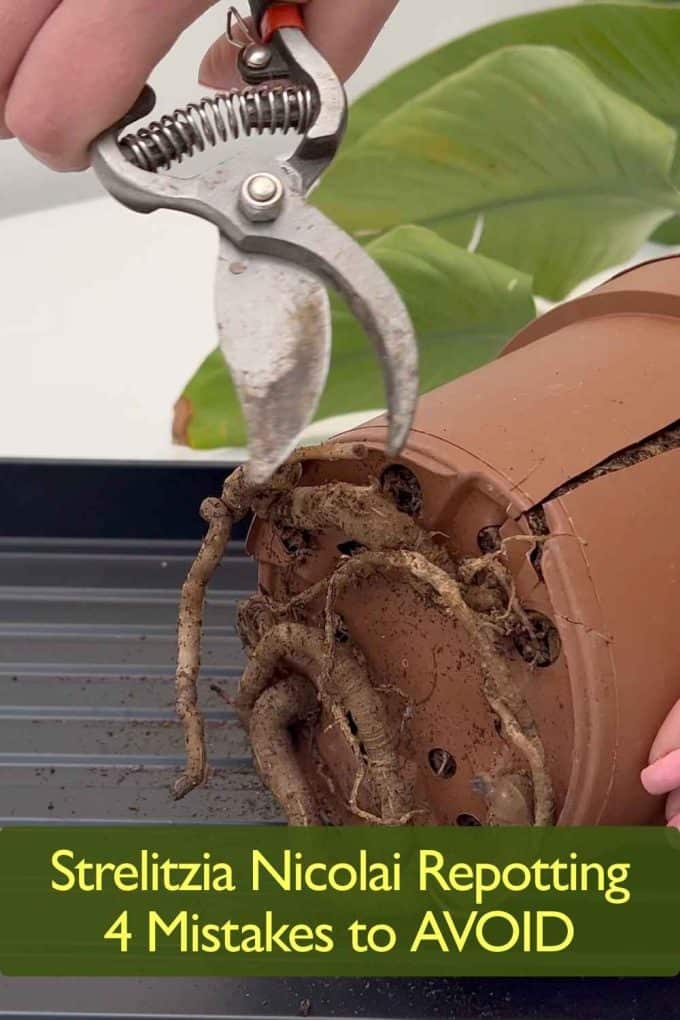
However, if the plant is severely root bound and the roots are growing through the drainage holes, avoid pulling the plant out by force.
2. Cut the pot if necessary
When the roots are tightly stuck in the pot, forcing the plant out can damage the root system.
In this situation, it’s much safer to cut the plastic pot step by step and carefully release the roots. This prevents tearing the roots and reduces stress for the plant.
3. Loosen the root ball
Once the plant is free, gently loosen the roots at the bottom of the root ball. This helps the roots grow outward into the new soil instead of continuing to circle around themselves.
4. Add fresh soil to the new pot
Place a layer of fresh soil mix at the bottom of the new pot before positioning the plant.
5. Position the plant
Place the Strelitzia Nicolai in the center of the new pot and make sure it sits at the same height as it did in the previous container.
Planting it deeper than before may cause problems for the roots.
6. Fill the pot with soil
Fill the empty space around the root ball with your new soil mix. Lightly press the soil down so the plant stays stable, but avoid compacting it too much.
Leaving a small space at the top of the pot also makes watering easier later.
4 Repotting Mistakes to Avoid with Strelitzia Nicolai
Even though repotting seems simple, a few common mistakes can cause unnecessary stress for your Bird of Paradise plant.
1. Waiting too long to repot
If you wait too long, the plant can become extremely root bound. Roots may grow through the drainage holes and become tightly stuck in the pot, which makes repotting much more difficult.
2. Pulling the plant out by force
Trying to pull a root bound plant out of its pot can easily tear or damage the roots. If the roots are stuck, it’s much safer to cut the plastic pot instead.
3. Choosing a pot that is too large
A pot that is much bigger than the previous one may hold too much moisture in the soil. This increases the risk of root rot.
Instead, always choose a pot that is only slightly larger than the previous container.
4. Using heavy or compact soil
Strelitzia Nicolai needs well-draining soil. Heavy soil that stays wet for too long can suffocate the roots and lead to root problems.
Using a light and airy soil mix helps the plant develop a healthy root system.
Watering and Care After Repotting
After repotting your Strelitzia Nicolai, give the plant a light watering. This helps the soil settle around the roots and removes any air pockets inside the pot.
During the first few weeks after repotting, it’s important to pay attention to watering.
The plant is now in fresh soil and a slightly larger container, so its watering needs may change slightly.
Instead of watering on a strict schedule, it’s best to check the soil regularly. If the soil feels more than halfway dry, that’s usually the right time to water again.
It’s also recommended to avoid fertilizing for about three to four weeks after repotting. This allows the roots to recover and adjust to the new soil without additional stress.
If your Strelitzia was growing well in a specific location before repotting, it’s best to place it back in the same spot.
Otherwise, move it to a bright location with plenty of indirect light.
Strelitzia plants usually adapt well after repotting, but giving them a little time to adjust will help them continue growing strong and healthy.
If you want to learn more about common problems with Bird of Paradise plants, you can also read my complete guide:
👉 Strelitzia Nicolai Problems – 5 Mistakes to Avoid
Strelitzia Nicolai Repotting FAQ
How often should you repot Strelitzia Nicolai?
In general, Strelitzia Nicolai should be repotted every two to three years. However, the best indicator is the plant itself. If the roots start growing through the drainage holes or the soil dries out much faster than before, it may be time to move the plant into a slightly larger pot.
What size pot is best for repotting Strelitzia Nicolai?
When repotting a Bird of Paradise plant, choose a pot that is only slightly larger than the previous one. A container about 2–4 cm wider is usually enough. Using a pot that is too large can cause the soil to stay wet for too long and increase the risk of root rot.
What soil is best for Strelitzia Nicolai?
Strelitzia Nicolai grows best in a light, well-draining soil mix. A simple and effective combination is equal parts houseplant potting mix, perlite, and orchid bark. This mix allows water to drain easily while keeping enough airflow around the roots.
Can Strelitzia Nicolai be root bound?
Yes, Strelitzia Nicolai can become root bound over time, especially if it grows quickly in good conditions. When this happens, the roots may circle inside the pot or grow through the drainage holes. Repotting the plant into a slightly larger container will give the roots more space to expand.
Final Thoughts on Strelitzia Nicolai Repotting
Repotting Strelitzia Nicolai may seem intimidating at first, especially when the plant becomes heavily root bound. However, with the right pot size, a well-draining soil mix, and careful handling of the roots, the process is actually quite simple.
By avoiding the most common repotting mistakes and giving the plant the right conditions afterward, your Bird of Paradise can quickly adjust to its new pot and continue producing strong stems and large, healthy leaves.
You May Also Like
- Strelitzia Nicolai Problems – 5 Mistakes to Avoid
- ZZ Plant Repotting – How to Repot Your Zamioculcas? Avoid BIG Mistakes
- Spider Plant Problems: 5 Mistakes to Avoid
- The Truth About Misting Houseplants: Should You Do It or Not?
Explore More Music for Your Plants & Stay Connected!
Check out my Playlist: Music for Plants and find the perfect tunes to help your plants and yourself thrive.
Don’t forget to visit my YouTube Channel Plant House & Garden and subscribe – your support means the world to me!
Want to support my work and get extra plant music perks? 🌿🎵
Join me on Patreon ❤️Connect with me on social media for more plant care tips and music updates: Instagram | Facebook | X | Pinterest | Reddit | TikTok
Love plants? Love music? Don’t miss out on new updates – hit subscribe and follow now to keep your plants happy and your space vibrant!