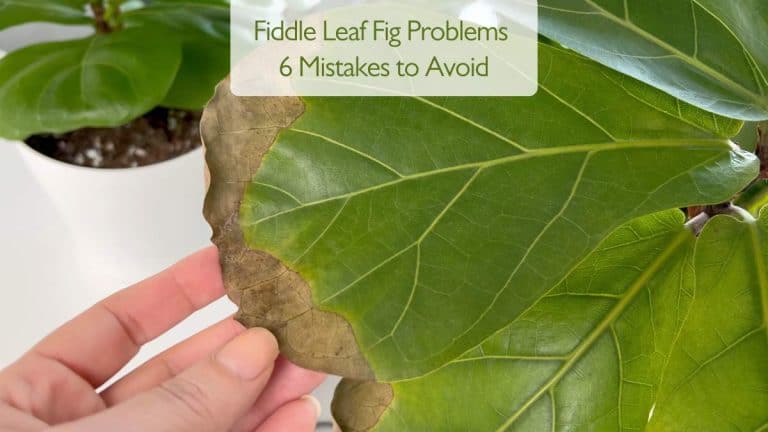
Medinilla Blooming Care: 5 Mistakes That Make Flowers Drop Fast
Medinilla blooming care is very different from regular houseplant care, and this is exactly why many plants suddenly start dropping buds or flowers even when they look perfectly healthy. The truth is, Medinilla magnifica is extremely sensitive during the blooming stage, and a few small mistakes – often done without noticing – can shorten the flowering period dramatically.
The good news is that once you understand what happens during blooming, keeping flowers for weeks instead of days becomes much easier. In this guide, you’ll discover the 5 most common Medinilla blooming mistakes and the simple adjustments that help your plant keep its spectacular cascading blooms much longer.

Mistake #1 – Moving the Plant During Blooming
Medinilla magnifica is extremely sensitive once the blooming phase begins. Many plant owners naturally rotate their plants for even growth or move them to a different decorative spot, but this small change can stress the plant enough to trigger bud or flower drop. During blooming, the plant adapts to a very specific combination of light direction, humidity, and temperature. Even moving the pot a short distance may disturb this balance.
Once your Medinilla starts producing flower clusters, try to keep it in the exact same location until the blooming period is fully finished. Stability is one of the most important factors in successful Medinilla blooming care.
Mistake #2 – Cold Drafts and Temperature Changes
Medinilla flowers are delicate and react quickly to sudden temperature shifts. Cold air entering through windows, balcony doors, or air-conditioning vents can damage flower buds within hours, even if the rest of the plant still looks healthy. Repeated exposure to drafts often causes buds to dry out and fall before fully opening.
For best results, keep your Medinilla in a stable environment with temperatures around 65–75°F (18–24°C) and avoid placing it near frequently opened windows, heating vents, or cooling units. Consistent warmth helps flowers remain healthy and last significantly longer.
If you want to know more about humidity and temperature for houseplants – and why they’re so important for healthy growth – read my full article Humidity and Temperature for Houseplants.
Mistake #3 – Fertilizing During Blooming
It may seem logical to fertilize a plant while it is flowering, but Medinilla behaves differently from many common houseplants. Feeding during blooming can stimulate new vegetative growth instead of supporting the flowers, which sometimes leads to shorter flowering periods or premature bud drop.
A better approach is to fertilize regularly during the active growth phase before buds appear. Once blooming begins, pause fertilizing until the flowering cycle finishes, then resume light feeding to support future growth and the next blooming season.
If your plants need a mild nutrient boost without risking overfertilizing, rice water can be a great option. Learn how to use it safely here.
Mistake #4 – Low Humidity Levels
As a tropical plant, Medinilla naturally grows in humid environments where moisture in the air protects developing buds and flowers. In typical indoor conditions, especially during heating or cooling seasons, humidity levels often drop below what the plant prefers. Dry air can cause flowers to fade faster, buds to stop developing, or leaves to slightly curl at the edges.
Using a humidifier, grouping plants together, or placing the pot on a pebble tray with water can help maintain a more suitable humidity level and significantly extend the blooming period.
Mistake #5 – Sudden Light Changes
Lighting consistency plays a major role in Medinilla blooming success. Moving the plant from bright indirect light to a darker area, or exposing it to sudden strong direct sunlight – can stress the plant and interrupt the flowering process. Buds may stop developing or flowers may drop earlier than expected.
Keep the plant in a location with stable bright indirect light and avoid sudden lighting changes while the plant is flowering. Maintaining the same light conditions helps the blooms stay vibrant and last for weeks.
If you want to know more about light requirements for houseplants and how to find the perfect spot for each plant, read my full article Light Requirements for Houseplants: The Secret to Thriving Indoor Plants.
Quick Blooming Checklist
- Keep the plant in the same place
- Avoid drafts and temperature changes
- Do not fertilize during blooming
- Maintain higher humidity
- Keep lighting consistent
FAQ – Medinilla Blooming Care
Why are my Medinilla flowers dropping?
The most common reason Medinilla flowers drop is environmental stress during the blooming phase. Moving the plant, exposure to cold drafts, sudden temperature changes, or fertilizing during flowering can all cause buds and blooms to fall early. Proper Medinilla blooming care focuses on keeping the plant stable while it is flowering.
Should I fertilize Medinilla while it is blooming?
No. Fertilizing during flowering can sometimes shorten the blooming period. For best Medinilla magnifica care indoors, fertilize during the active growth phase before buds form, then pause feeding until flowering finishes.
How do I make Medinilla bloom again?
To make Medinilla bloom, provide bright indirect light, stable warm temperatures, high humidity, and regular feeding during the growth season. After blooming, allow the plant to rest slightly before resuming fertilization to support the next flowering cycle.
How long do Medinilla flowers last?
With proper Medinilla blooming care, flowers can last several weeks or even over a month. Stable lighting, consistent temperature, and higher humidity levels significantly extend the flowering period.
Is Medinilla difficult to grow indoors?
Medinilla is considered moderately demanding compared to common houseplants, but with consistent Medinilla plant care tips – stable light, humidity, and careful watering, it can grow successfully indoors and bloom regularly.
Final Thoughts
Medinilla blooming care requires stability more than anything else. When temperature, humidity, and light remain consistent, the plant can maintain its spectacular cascading flowers for many weeks, rewarding growers with one of the most impressive indoor floral displays.
Articles You May Like
- Anthurium Laceleaf Problems – 5 Mistakes to Avoid (Flamingo Flower)
- Peace Lily Care Problems: 6 Common Mistakes to Avoid with Spathiphyllum
- Is It Safe to Sleep with Houseplants? The Truth About Oxygen, CO₂, and Clean Air
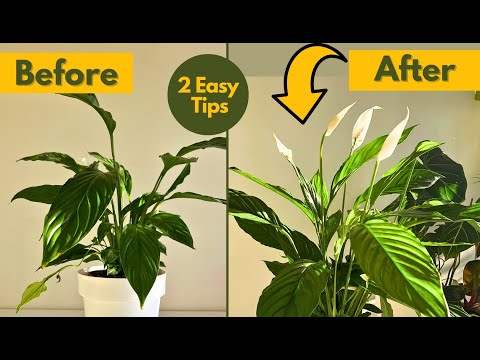
Watch Next: Peace Lily Blooming Tips
If you enjoy flowering houseplants, watch this quick guide showing simple tips that help Peace Lilies bloom more often indoors.
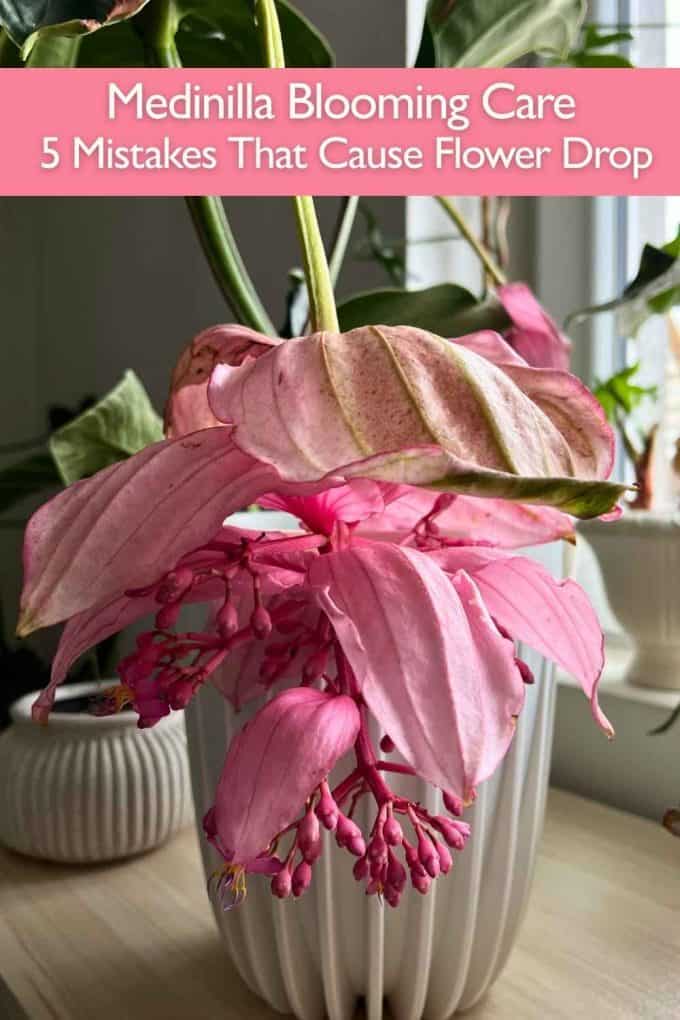
If you enjoy flowering houseplants, save the quick Medinilla blooming care guide below for easy reference.
Explore More Music for Your Plants & Stay Connected!
Check out my Playlist: Music for Plants and find the perfect tunes to help your plants and yourself thrive.
Don’t forget to visit my YouTube Channel Plant House & Garden and subscribe – your support means the world to me!
Want to support my work and get extra plant music perks? 🌿🎵
Join me on Patreon ❤️Connect with me on social media for more plant care tips and music updates: Instagram | Facebook | X | Pinterest | Reddit | TikTok
Love plants? Love music? Don’t miss out on new updates – hit subscribe and follow now to keep your plants happy and your space vibrant!