Alocasia Frydek Care: How to Keep Velvet Leaves Dark Green and Healthy Indoors
Alocasia Frydek is one of the most beautiful indoor plants you can grow, those deep green, velvety leaves with bold white veins look almost unreal. But as stunning as it is, this plant can also feel a little “dramatic” if the conditions aren’t right. One day it looks perfect, and the next day a leaf can start drooping, yellowing, or curling for no obvious reason.
That’s why Alocasia Frydek care is all about getting a few key things right from the start: proper light, careful watering, the right humidity level, and a breathable soil mix that keeps the roots healthy. Once you understand the basics, Frydek becomes much easier to grow, and it rewards you with stronger growth and bigger, darker leaves.
In this guide, I’ll break down the most important Alocasia Frydek light requirements, Alocasia Frydek watering, Alocasia Frydek humidity, and the best Alocasia Frydek soil mix, so you can keep your plant thriving indoors without guessing.

Alocasia Frydek Names & Origin (Quick Facts)
Alocasia Frydek is also known as Alocasia micholitziana ‘Frydek’, and many plant lovers call it the Green Velvet Alocasia because of its soft, velvety leaf texture.
This variety comes from tropical Southeast Asia, which is exactly why it prefers warm indoor temperatures, higher humidity, and bright light to stay healthy and keep its leaves dark and strong.
Alocasia Frydek Light Requirements (Best Placement Indoors)
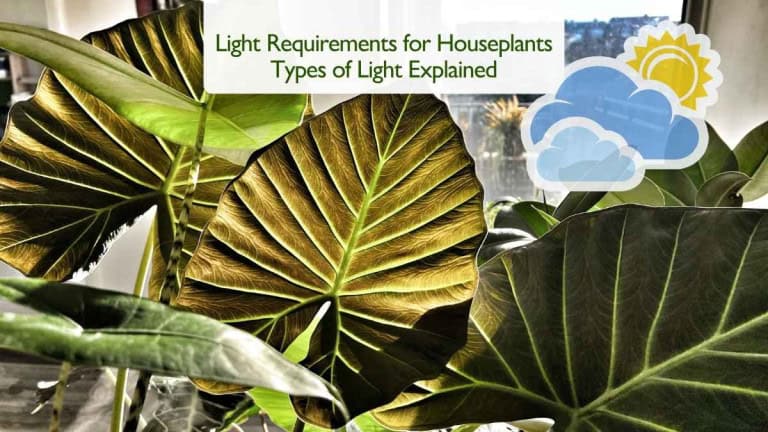
When it comes to Alocasia Frydek care, light is one of the biggest factors that decides how your plant looks and how fast it grows. Frydek loves bright, indirect light, and the more consistent the light is, the more stable and healthy the leaves stay.
In my experience, Frydek really thrives with a lot of light. I keep mine about two feet away from a west-facing window, and it’s been a great spot. But I also have another Alocasia placed in front of the window, so my Frydek is technically in the second row – meaning it still gets strong light, but it’s slightly filtered.
This setup works well because it gives the plant plenty of brightness without harsh direct sun hitting the leaves for too long.
The good news is that Frydek can also tolerate gentle direct sun, especially morning sun or softer late afternoon sun. The key is to avoid harsh midday sun, which can stress the leaves or cause fading.
What happens in low light?
If the light is too weak, you may notice:
- slower growth
- smaller leaves
- stems stretching toward the window
- leaves looking less “upright” or slightly droopy over time
That’s why understanding Alocasia Frydek light requirements is so important.
Winter light tip (this makes a huge difference)
During winter, natural light is much weaker and the days are shorter. So to keep growth stable, I turn on grow lights, and it helps a lot. Even a few extra hours of light can make a big difference with Frydek, especially if you want it to keep pushing new leaves instead of slowing down.
✅ Quick tip: Aim for bright, indirect light all year long, and use grow lights in winter if your plant starts slowing down or reaching for the window.
Alocasia Frydek Watering (Water Requirements + How to Avoid Root Rot)
One thing you’ll quickly notice with Alocasia Frydek care is that this plant can be surprisingly thirsty. Frydek loves moisture, and it doesn’t stay “perfect” for long if the soil dries out too much.
In fact, Frydek often gives you a very clear sign when it needs water: drooping leaves.
If the leaves suddenly look soft, slightly folded, or less upright than usual, it’s often the plant telling you it’s thirsty.
How to water Alocasia Frydek the right way
The goal is to keep the soil evenly moist, but never soggy.
Here’s what works best:
- Water when the top 1–2 inches of soil feel dry
- Water deeply until it drains out from the bottom
- Always empty the saucer so the roots don’t sit in water
Why Frydek gets stressed so easily
Because it’s thirsty, many people overcorrect and start watering too often. That’s where problems happen.
If the soil stays wet constantly, Frydek can develop root rot, and the leaves may start turning yellow or collapsing.
✅ The best balance is: moist soil + airflow + good drainage.
Quick tip
If your Frydek droops, check the soil first.
If it’s dry → it needs water.
If it’s still wet → don’t water again, and make sure the pot has drainage.
Use filtered or rain water (Frydek really prefers it)
For the best results with Alocasia Frydek watering, I highly recommend using filtered water, distilled water, or rain water whenever possible. Alocasia Frydek can be sensitive to minerals and chemicals in tap water, and over time, regular tap water may lead to leaf stress, crispy edges, or buildup in the soil.
✅ If your plant is struggling even though your watering schedule is correct, switching from tap water to filtered or rain water can make a noticeable difference.

Alocasia Frydek Humidity (The Secret to Perfect Velvet Leaves)
If there’s one thing that takes Alocasia Frydek care to the next level, it’s humidity. Frydek is a velvet-leaf Alocasia, and it looks its best when the air has enough moisture to support strong, smooth leaf growth.
When humidity is too low, Frydek may start showing signs like:
- crispy edges or brown tips
- curling leaves
- slower growth
- leaves that look slightly “stressed” or less soft and velvety
What humidity level does Alocasia Frydek prefer?
Frydek does best in higher humidity, especially during winter when indoor air becomes very dry because of heating.
You don’t need a perfect tropical setup, but higher humidity makes a huge difference in how clean and healthy the leaves stay.
Easy ways to increase humidity (without overdoing it)
Here are simple options that work well:
- Use a humidifier nearby (best method for consistent results)
- Group plants together to create a more humid microclimate
- Keep it away from heaters and cold drafts (both dry the air fast)
- Place it in a bright bathroom if you have good light
✅ Quick tip: If your Frydek is getting enough light and correct watering, but the leaf edges still crisp up, humidity is usually the missing piece.
If you want to know more about humidity and temperature for houseplants – and why they’re so important for healthy growth – read my full article Humidity and Temperature for Houseplants.
Best Alocasia Frydek Soil Mix (Airy, Fast-Draining, Root-Friendly)
One of the most important parts of Alocasia Frydek care is choosing the right soil. This plant may love water, but it does not like sitting in heavy, wet soil for too long.
That’s why the best Alocasia Frydek soil mix is one that holds some moisture, but still stays airy and drains well.
Why Frydek needs an airy soil mix
If the soil is too dense, it can stay wet for too long, and that increases the risk of:
- root rot
- drooping leaves that don’t recover
- yellowing leaves
- slow growth
An airy mix helps the roots breathe and keeps the plant strong, even when it’s a thirsty plant.
What soil mix works best?
A chunky, well-draining aroid-style mix is ideal. For a simple DIY mix, you can combine:
- potting soil (base)
- perlite (for drainage)
- orchid bark (for airflow)
- coco chips or pumice (optional, for extra chunkiness)
✅ The goal is: moist, but never soggy.
Quick tip
If your Frydek looks thirsty often, don’t fix it by using heavy soil.
Instead, keep a well-draining mix and water properly, that gives you the best balance of hydration and healthy roots.
If you want your aroids to grow strong, healthy roots, read my full article Soil-Free Aroid Potting Mix: The Best DIY Recipe for Healthy Aroid Plants and learn how to make the perfect mix at home.
Alocasia Frydek Propagation (From Corms)
If you want more Frydek plants, the easiest way to propagate Alocasia Frydek is from corms. Corms are small bulb-like growth points that develop near the roots, and with the right warmth and moisture, they can sprout into new baby plants.
For best results, keep the corm in a warm, humid environment and use a light, airy medium so it doesn’t stay soggy. Once it starts growing, you’ll usually see a small shoot first, followed by the first tiny leaf.
Watch my YouTube Short below: I’m showing a quick before & after of my Alocasia Frydek propagation from a corm.
Click here to watch the video on YouTube
Temperature + Winter Growth Tips
For the best Alocasia Frydek care indoors, aim to keep temperatures warm and stable.
✅ Ideal range: 65–80°F (18–27°C)
Try not to let it drop below 60°F (15°C), because Frydek can start slowing down fast and may become more sensitive to watering.
Winter tips that really help
- Keep it away from cold window glass at night
- Avoid heaters and drafts, which dry out the leaves quickly
- If growth slows down, that’s normal, just be careful not to overwater
- Keep using grow lights in winter to support steady growth and stronger leaves
✅ Quick tip: Warmth + light + humidity is the winning combo for keeping Frydek happy through winter.
Fertilizing Alocasia Frydek
Alocasia Frydek is a heavy feeder, especially during the growing season. If you want bigger, darker leaves and steady growth, light feeding makes a big difference in overall Alocasia Frydek care.
Personally, I usually add a diluted fertilizer with each watering (rather than giving a strong dose occasionally). This keeps nutrients consistent and helps the plant grow more evenly without stressing the roots.
Flush the soil once a month (important!)
To avoid salt buildup from fertilizer, I also shower my Frydek about once per month and let the water run through the pot. This helps flush out excess salts and keeps the soil healthier over time.
✅ Quick tip: Feed lightly and consistently, and flush monthly – your Frydek will reward you with stronger growth.
Common Problems with Alocasia Frydek (Quick Fixes)
Even with great Alocasia Frydek care, this plant can sometimes react fast to small changes. The good news is that most issues are easy to fix once you know what to look for.
Drooping leaves
This is one of the most common signs your Frydek needs attention. In many cases, drooping happens when the plant is thirsty, but it can also happen if the soil stays wet too long and the roots aren’t happy.
✅ Quick check: feel the soil before watering again.
Yellow leaves
Yellowing can happen from:
- overwatering or poor drainage
- sudden temperature drops
- low light during winter
- natural leaf aging (older leaves dying off)
If it’s only one older leaf at a time, it’s often normal.
Brown tips or crispy edges
This is usually caused by:
- low humidity
- dry indoor air (especially in winter)
- inconsistent watering
Higher humidity and stable care usually fix this quickly.
Pests (thrips, spider mites, mealybugs)
Frydek can be a magnet for pests, especially when humidity is low. If you spot tiny webbing, dots, sticky residue, or cotton-like clusters, act fast.
A simple method that works well is wiping the leaves with 70% alcohol (carefully and gently). It helps remove pests quickly and keeps the plant clean.
Watch this video below: I show exactly how I use 70% alcohol to remove pests safely and effectively.
Click here to watch the video on YouTube
FAQ: Alocasia Frydek Care
What are the best Alocasia Frydek light requirements?
The best Alocasia Frydek light requirements are bright, indirect light. Frydek can also tolerate gentle direct sun, especially morning sun or softer afternoon sun, but harsh midday sun may stress the leaves.
How often should I do Alocasia Frydek watering?
Alocasia Frydek watering depends on how fast the soil dries, but this plant is generally very thirsty. Water when the top 1–2 inches of soil feel dry. If the leaves start drooping, it often means the plant needs water, but always check the soil first to avoid overwatering.
What humidity does Alocasia Frydek need indoors?
Alocasia Frydek humidity should be moderate to high for the best leaf quality. Higher humidity helps prevent crispy edges, curling, and brown tips, especially during winter when indoor air becomes dry.
What is the best Alocasia Frydek soil mix?
The best Alocasia Frydek soil mix is airy, chunky, and fast-draining. A mix with potting soil, perlite, and orchid bark works well because it holds some moisture while still allowing airflow around the roots.
Is Alocasia Frydek a heavy feeder?
Yes, Frydek is a heavy feeder during the growing season. Light, diluted feeding can support stronger growth. Flushing the soil monthly can help prevent salt buildup from fertilizer.
Why is my Alocasia Frydek drooping?
Drooping leaves are often caused by thirst, but they can also happen from root stress, cold temperatures, or low light. Check the soil moisture first, then adjust light and humidity if needed.
Quick Care Cheat Sheet (Save this!)
Final Thoughts
Alocasia Frydek may look like a high-maintenance plant, but once you understand the basics, it becomes much easier to grow indoors. The key to strong Alocasia Frydek care is balancing the fundamentals: consistent bright light, careful watering, enough humidity, and an airy soil mix that keeps the roots healthy.
When you dial in the right Alocasia Frydek light requirements, Alocasia Frydek watering, Alocasia Frydek humidity, and the best Alocasia Frydek soil mix, this velvet-leaf beauty rewards you with bigger, darker leaves and steady growth, even through winter with the help of grow lights.
Related Articles
- Alocasia Lukiwan Care: Light, Watering & Common Problems
- Alocasia Care Problems: 6 Mistakes To Avoid
- Alocasia Tigrina Care – Everything You Need to Know
- Alocasia Jacklyn Care – Everything You Need to Know
- Alocasia Amazonica Care: The Ultimate Guide to Thriving African Mask Houseplants
- How to Grow Bigger Leaves on Alocasia Regal Shield: Proven Indoor Tips That Work
Click here to watch the video on YouTube
Explore More Music for Your Plants & Stay Connected!
Check out my Playlist: Music for Plants and find the perfect tunes to help your plants and yourself thrive.
Don’t forget to visit my YouTube Channel Plant House & Garden and subscribe – your support means the world to me!
Connect with me on social media for more plant care tips and music updates: Instagram | Facebook | X | Pinterest | Reddit | TikTok
Love plants? Love music? Don’t miss out on new updates – hit subscribe and follow now to keep your plants happy and your space vibrant!