Rubber Plant Problems: 5 Mistakes to Avoid (Ficus Elastica)
Rubber plants (Ficus elastica) are bold, glossy, and often seen as tough, low-maintenance houseplants.
But when care conditions aren’t right, rubber plants can quickly develop visible issues.
Growing the dramatic dark-leaved version? The same fixes keep a black rubber plant glossy and healthy.
If you’re dealing with yellow leaves, brown edges, leaf drop, or slow growth, you’re not alone. These are some of the most common rubber plant problems, and they’re usually caused by simple care mistakes.
In this article, we’ll go through the most common rubber plant care mistakes, explain why they happen, and show you how to fix them so your Ficus elastica can thrive again.
If you’re looking for a complete care guide covering light, watering, soil, and general maintenance, see Rubber Tree Plant Care: All You Need To Know for Thriving Ficus Elastica before diving into these common mistakes.
Why Rubber Plant Problems Happen
Rubber plants are adaptable, but they are also sensitive to changes in their environment.
Most common rubber plant problems don’t appear overnight, they develop slowly due to repeated stress.
Factors like inconsistent watering, poor light, temperature swings, or excess fertilizer can weaken the plant over time. Once the cause is corrected, rubber plants usually recover well.
Let’s look at the five biggest mistakes that lead to ficus elastica problems indoors.
Mistake #1: Overwatering the Rubber Plant
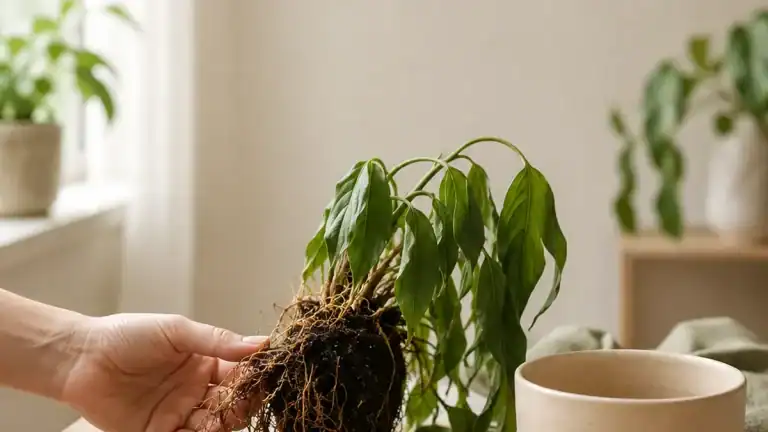
Overwatering is one of the most frequent rubber plant care mistakes, especially for beginners. Overwatering often happens because rubber plants have thick, sturdy leaves that don’t wilt immediately. This can make it difficult to recognize early root stress. By the time yellow leaves appear, the roots may already be struggling below the soil surface. Correcting watering habits early prevents long-term damage and leaf drop.
Signs of overwatering:
- Yellowing lower leaves
- Drooping or soft foliage
- Soil staying wet for long periods
- Leaf drop
Why it happens:
Rubber plants prefer evenly moist soil, not constantly wet conditions. When roots sit in soggy soil, oxygen levels drop and root rot can begin.
This is one of the main reasons for rubber plant yellow leaves.
How to fix it:
- Water only when the top 2-3 inches of soil are dry
- Always use a pot with drainage holes
- Reduce watering during winter
Once watering is corrected, new growth usually appears healthier within a few weeks.
If you want to learn how to water your houseplants the right way and avoid the most common mistakes, read my full article Houseplants Watering Tips - 5 Mistakes to Avoid: How, When & How Much to Water.

Mistake #2: Not Enough Light
Light issues are another major cause of ficus elastica problems. Rubber plants can survive in lower light, but survival isn’t the same as healthy growth. In dim conditions, energy production drops, leading to slower growth and increased leaf loss. Over time, the plant becomes leggy and weak. Providing brighter indirect light helps maintain strong stems and larger, glossier leaves.
Symptoms:
- Slow or leggy growth
- Smaller leaves
- Leaf drop
- Dull or faded foliage
Why it happens:
Rubber plants need bright, indirect light to maintain strong growth. Low light weakens the plant and causes it to shed older leaves.
How to fix it:
- Place your rubber plant near a bright window with filtered light
- East- or west-facing windows work best
- Avoid deep shade and dark corners
Proper lighting improves leaf size, color, and overall structure.
If you want to know more about light requirements for houseplants and how to find the perfect spot for each plant, read my full article Light Requirements for Houseplants: The Secret to Thriving Indoor Plants.
Mistake #3: Sudden Temperature Changes and Drafts
Rubber plants strongly dislike sudden environmental changes. Even short exposure to cold drafts or hot air can shock a rubber plant. Sudden stress often triggers leaf drop as a defense response. This is especially common in winter when windows, doors, and heating systems are used more frequently. Stability is more important than warmth alone.
Signs of temperature stress:
- Leaves dropping suddenly
- Curling or wilting
- Brown leaf edges
Why it happens:
Cold drafts, heaters, air conditioners, or frequent temperature swings stress the plant. Rubber plants prefer stable conditions.
How to fix it:
- Keep away from drafty windows and doors
- Avoid placing near heaters or AC vents
- Maintain steady indoor temperatures
Reducing stress often stops leaf drop quickly.
Mistake #4: Overfertilizing
Many ficus elastica problems are caused by feeding too often. Many plant owners increase fertilizer when growth slows, but this often makes the problem worse. Salt buildup damages fine feeder roots first, reducing the plant’s ability to absorb water. Symptoms may appear gradually, starting with brown edges and stiff leaves. Reducing feeding usually leads to visible improvement within weeks.
Symptoms:
- Brown or crispy leaf edges
- White residue on soil surface
- Weak or damaged roots
Why it happens:
Excess fertilizer leads to salt buildup in the soil, which burns roots and leaf tips. This often looks like dehydration, even when watering is correct.
How to fix it:
- Fertilize only during spring and summer
- Use liquid fertilizer diluted to half strength
- Flush the soil occasionally with clean water
Less fertilizer usually results in healthier growth.
If you want to boost your plants’ growth naturally and safely, read my full article Organic Fertilizer for Houseplants: Stimulate Your Plants’ Growth.
Mistake #5: Ignoring Dust and Leaf Care

This mistake is often overlooked but very specific to rubber plants. Dust accumulation is more than a cosmetic issue. When leaf surfaces are blocked, the plant cannot photosynthesize efficiently. This slows growth and weakens overall health, making the rubber plant more vulnerable to pests like spider mites. Regular leaf cleaning keeps the plant active and resilient.
Signs:
- Dull, dusty leaves
- Slower growth
- Increased pest risk
Why it happens:
Rubber plant leaves are large and glossy, which makes them dust magnets. Dust blocks light and reduces photosynthesis.
How to fix it:
- Wipe leaves gently with a damp cloth
- Avoid leaf shine products
- Clean leaves every few weeks
Clean leaves improve light absorption and overall plant health.

Click here to watch the video on YouTube
Quick Rubber Plant Troubleshooting Guide
| Symptom | Likely Cause |
|---|---|
| Yellow leaves | Overwatering |
| Leaf drop | Low light or temperature stress |
| Brown edges | Overfertilizing or dry air |
| Slow growth | Low light or nutrient imbalance |
| Dull leaves | Dust buildup |
Rubber Plant Problems Cheat Sheet (Ficus Elastica)

Most rubber plant problems come from inconsistent care. My Plant Care Journal helps you track watering and light, so your Ficus elastica stays glossy and healthy.
Frequently Asked Questions
Why does my rubber plant have yellow leaves?
The most common cause of rubber plant yellow leaves is overwatering or poor drainage.
Are rubber plants hard to care for?
No, but small care mistakes repeated over time can lead to noticeable problems.
How fast do rubber plants recover?
Once conditions improve, new healthy growth usually appears within one growing season.
Final Thoughts
Rubber plants are resilient, but they respond quickly to stress.
Most rubber plant problems are caused by watering issues, low light, temperature changes, or excess fertilizer.
By avoiding these five rubber plant care mistakes, you’ll create stable conditions that allow your Ficus elastica to grow strong, glossy, and healthy.
Small adjustments can make a big difference 🌿
Related Articles
- Rubber Tree Plant Care: All You Need To Know for Thriving Ficus Elastica
- Schefflera Plant Problems: 5 Mistakes to Avoid
- 8 Best Low-Light Houseplants for Beginners
- Snake Plant Problems: 5 Mistakes to Avoid

Click here to watch the video on YouTube


Written by Bojana
Plant lover, grower, and music maker behind Plant House & Garden, with 35+ years of hands-on houseplant experience. Read more about Bojana →