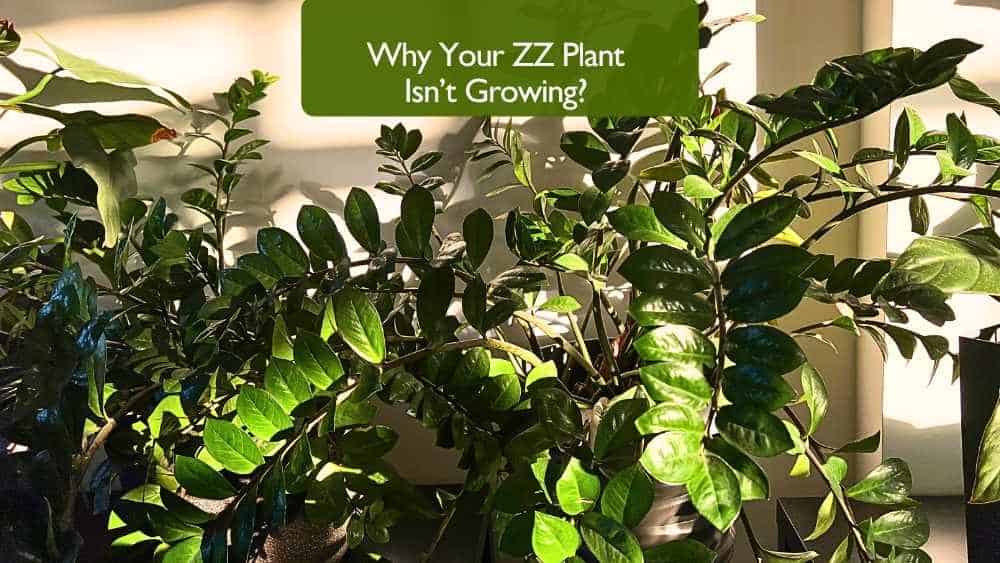
Why Your ZZ Plant Isn’t Growing – 7 Reasons Your Zamioculcas Is Stuck & How to Fix It Fast
Is your ZZ plant just… sitting there? No new stems, no fresh leaves, no sign of progress for months? If yes, don’t worry. You’re definitely not the only one asking why your ZZ plant isn’t growing.
ZZ plants are famous for being tough, low-maintenance survivors. But here’s the secret many plant parents don’t realize: ZZ plants grow slowly by nature, and even a small problem in their care routine can slow them down even more.
Maybe yours looks healthy but refuses to grow.
Maybe it grew fast in the store, but stopped when you brought it home.
Or maybe the new shoots appear once a year… and then nothing.
In this guide, I’ll walk you through the 7 most common reasons for ZZ plant slow growth, exactly what’s causing the problem, and most important – how to make your ZZ plant grow faster with simple, proven fixes.
If you’d like a quick visual overview of general ZZ plant issues, you can watch my video below. It doesn’t cover the same points as this article, but it explains other common problems that often affect growth and overall plant health.

Click here to watch the video on YouTube
1. Your ZZ Plant Isn’t Getting Enough Light
One of the most common reasons why your ZZ plant isn’t growing is simple: it’s not getting enough light. ZZ plants are famous for tolerating low-light rooms, but “tolerate” does not mean “thrive.” When the plant doesn’t receive enough brightness, it slows down its entire growth cycle to conserve energy. This often results in a plant that looks healthy at first glance but produces no new stems for months.
Low light is especially problematic during autumn and winter, when days are naturally shorter. If your ZZ plant is placed far from a window, or in a corner where daylight never really reaches, the plant can’t photosynthesize enough to support new growth. This leads to ZZ plant slow growth, thin shoots, stretched stems, and in many cases, complete stagnation.
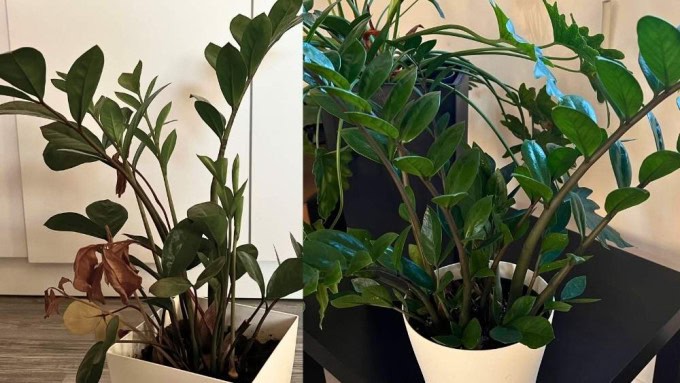
To fix this, move your plant closer to a brighter spot – ideally near a north- or east-facing window where it will receive soft, indirect light throughout the day. If your home is naturally dark, a small LED grow light can make a dramatic difference in how to make your ZZ plant grow faster. Once your ZZ receives the right amount of light, you’ll often notice fresh shoots forming at the base of the rhizomes, especially during spring and summer when the plant’s natural growing season begins.
2. The Rhizomes Are Root-Bound or Out of Space
Another very common reason why your ZZ plant isn’t growing is that the rhizomes have simply run out of room. ZZ plants don’t have traditional roots – instead, they grow from thick, potato-shaped rhizomes that store water and nutrients. Over time, these rhizomes multiply, expand, and press tightly against the walls of the pot. When there is no more space left, the plant shifts all its energy from growth to survival, and the result is obvious: ZZ plant slow growth or no growth at all.
If your ZZ plant has been in the same pot for years, or if you notice the pot bulging on the sides, roots circling at the bottom, or soil drying out extremely fast, it’s almost certain the rhizomes are overcrowded. A tight pot restricts airflow, reduces nutrient availability, and makes water distribution uneven – all factors that directly slow down new stem formation.
Fortunately, this is very easy to fix. Repotting your ZZ plant into a slightly larger pot (just 2–3 cm wider than the current one) can instantly give the rhizomes the breathing room they need. Avoid choosing a pot that’s too big, because oversized containers hold moisture for too long and can create the opposite problem. A small size increase encourages healthy root expansion and signals the plant that it’s safe to start growing again. You can read: ZZ Plant Repotting – Avoid BIG Mistakes or watch the video below to see exactly how to repot your ZZ plant the right way.
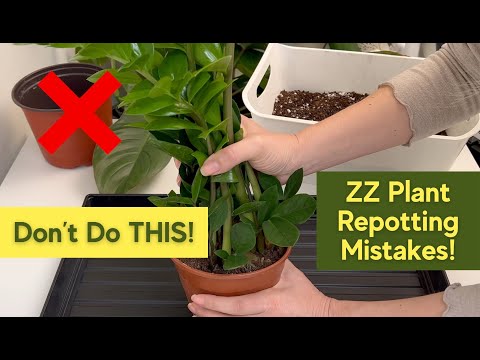
Click here to watch the video on YouTube
Once the rhizomes have space to recover, you will notice thicker stems, fuller foliage, and overall faster growth, a simple but very effective step in how to make your ZZ plant grow faster.
3. The Soil Is Too Heavy or Compact
If you’re trying to understand why your ZZ plant isn’t growing, one of the biggest hidden reasons is the wrong type of soil. ZZ plants have thick rhizomes that need air, space, and quick drainage. When they sit in soil that is heavy, compacted, or stays wet for too long, the rhizomes can’t breathe. Without proper oxygen and airflow, the plant struggles to absorb nutrients and water correctly, which quickly leads to ZZ plant slow growth and almost no new stems.
This often happens with standard store-bought potting mixes. They’re usually designed to hold moisture longer – great for moisture-loving plants, but definitely not ideal for ZZ plants. In dense soil, the rhizomes stay stressed, and your plant goes into “energy-saving mode” instead of producing fresh growth.
To fix this, repot your ZZ into a light, airy, and fast-draining mix. A simple houseplant potting soil works very well as long as you improve the drainage. I usually add around 30% perlite or coarse sand to keep the mix loose and prevent the soil from compacting. This small adjustment helps excess water drain quickly and allows plenty of oxygen to reach the rhizomes, which is exactly what ZZ plants need to stay healthy and active.
Once your ZZ has the right soil, you’ll often notice a dramatic improvement – firmer leaves, healthier roots, and new shoots appearing at the base. A healthy soil mix is one of the easiest ways to support how to make your ZZ plant grow faster naturally.
4. Overwatering Is Slowing the Plant Down
Overwatering is another major reason why your ZZ plant isn’t growing. ZZ plants store water in their thick rhizomes, which means they are built to survive long periods of dryness. When the soil stays wet for too long, the rhizomes become stressed and vulnerable. Instead of putting energy into new stems and leaves, the plant focuses on protecting itself from potential rot. This automatically leads to ZZ plant slow growth, yellowing leaves, and soft or mushy stems.
Many plant owners unintentionally overwater their ZZ without realizing it. The top layer of soil may look dry due to indoor heating or airflow, but deeper down, the soil often remains damp. When there is constant moisture around the rhizomes, oxygen levels drop, and the plant can no longer function normally. Over time, this not only stops new growth but also increases the risk of root rot – one of the most common issues ZZ owners face.
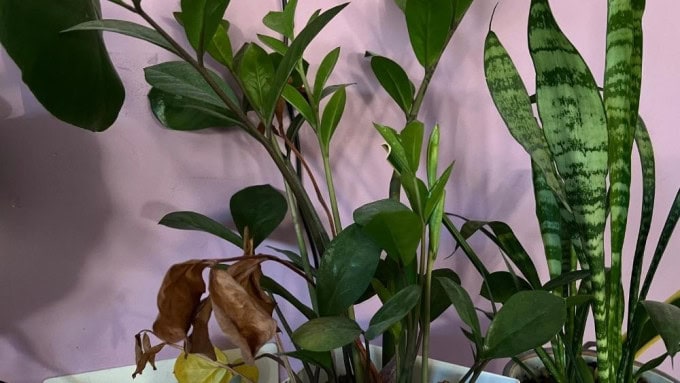
To solve this, let the soil dry out completely between waterings. The top 2–3 inches should feel bone dry before you add more water. It also helps to lift the pot; if it feels heavy, the soil still contains moisture. Always use pots with drainage holes, and avoid decorative pots without airflow, as they trap excess water around the roots.
Correct watering is one of the fastest ways to support how to make your ZZ plant grow faster, because once the rhizomes aren’t stressed anymore, they begin producing new shoots much more actively. A consistent dry-wet cycle is exactly what this plant needs to start growing again.
5. Your ZZ Plant Is in a Cold Room
Temperature plays a bigger role in ZZ plant growth than most people realize. If you’re wondering why your ZZ plant isn’t growing, the issue may be as simple as a room that’s too cold. ZZ plants come from warm, tropical regions, and while they adapt well to indoor life, they slow down dramatically when temperatures drop below their comfort zone.
Cold environments signal the plant to conserve energy instead of producing new stems. This often leads to ZZ plant slow growth, long pauses between new shoots, and in extreme cases, drooping or curling leaves. Even if the room feels comfortable to you, cold drafts from windows, air conditioners, or poorly insulated areas can significantly lower the temperature around your plant – especially during the evening and nighttime.
ZZ plants grow best between 65–85°F (18–29°C). Temperatures below 60°F (15°C) slow the metabolic processes inside the rhizomes and push the plant into a protective, semi-dormant state. If your ZZ is placed near drafty windows, outside-facing walls, or directly under an AC unit, this might be the real reason new growth has completely stopped.
To fix this, move your ZZ plant to a warmer, more stable location in your home. Choose a spot with consistent temperatures and away from sudden cold air movements. Once the plant returns to its ideal temperature zone, you’ll usually notice stronger stems, healthier leaves, and fresh growth emerging – a simple but powerful step in how to make your ZZ plant grow faster.
6. It’s Simply the Wrong Season
Sometimes the real reason why your ZZ plant isn’t growing has nothing to do with your care routine at all – it’s simply the natural rhythm of the plant. ZZ plants grow according to the seasons, and they slow down or even completely pause their growth during fall and winter. This is especially noticeable in homes where daylight becomes weaker and shorter as the colder months approach.
Even if your plant is perfectly healthy, the rhizomes instinctively shift into an energy-saving mode once the light levels drop. This seasonal slowdown leads to what looks like ZZ plant slow growth, but it’s actually completely normal. During this time, your plant conserves its strength, keeps its leaves firm, and waits for brighter, warmer days before sending out new shoots.
This seasonal pause often worries plant owners because nothing seems to happen for months. But as long as the leaves look healthy and firm, there’s nothing wrong with your plant. ZZs naturally start growing again in spring and continue through the summer, when longer daylight hours give them enough energy to produce fresh stems.
You don’t need to push the plant during its resting period. In fact, overwatering or fertilizing during winter can do more harm than good. Simply maintain proper light, avoid cold drafts, and let the plant rest. Once nature gives it a signal – usually around March or April – you’ll see new shoots emerging, and this natural cycle strongly supports how to make your ZZ plant grow faster when the active growing season begins.
7. Your ZZ Plant Is Missing Nutrients
If you’ve checked the light, soil, watering, and temperature but still wonder why your ZZ plant isn’t growing, it might be time to look at nutrients. ZZ plants aren’t heavy feeders, but they still rely on a consistent supply of essential minerals to support new growth. When the soil becomes exhausted – especially after a long time without repotting – the plant quietly slows down to protect itself, resulting in very noticeable ZZ plant slow growth.
In nature, ZZ plants receive a steady flow of nutrients through decomposing organic matter. Indoors, however, once the nutrients inside the potting mix are used up, they don’t get naturally replaced. A plant that’s been in the same soil for 2–3 years often becomes nutrient-deficient without showing dramatic symptoms. Instead, it simply stops producing new stems, leaves stay the same size, and growth becomes minimal.
The good news is that this is one of the easiest issues to fix. During spring and summer, feed your ZZ plant once a month with a gentle, balanced liquid fertilizer. Always dilute it to avoid burning the roots, and avoid fertilizing during winter, when the plant naturally rests. If the soil is old or compact, repotting with a fresh, well-draining mix will instantly boost nutrient availability and allow the rhizomes to absorb everything they need.
Once your ZZ receives the right nutrients again, you’ll often notice thicker stems, richer leaf color, and new growth emerging much sooner than expected. Healthy nutrition is a simple but powerful part of how to make ZZ plant grow faster throughout its active growing season.
⭐ Final Thoughts
If you’ve been wondering why your ZZ plant isn’t growing, the answer is usually a combination of light, soil, watering, temperature, and natural season cycles. The good news? ZZ plants are incredibly resilient, and even small adjustments can create a big difference in their growth. Better light, proper soil structure, the right watering routine, and a stable warm environment are often enough to wake up the rhizomes and encourage new shoots.
Remember – ZZ plants grow slowly by nature, so patience is a big part of the process. But when you give them the ideal conditions, your plant will reward you with strong stems, glossy leaves, and steady, healthy growth throughout the active season. And if you want to support your plant even more, try adding calming plant-growth music during the day. Many viewers have noticed improved growth and overall plant health when using my healing frequency tracks.
Related Articles
- ZZ Plant Problems – 5 Mistakes to Avoid
- ZZ Plant Repotting – Avoid BIG Mistakes
- Complete ZZ Plant Care (Zamioculcas Zamiifolia)
- DIY Aroid Soil Mix for Faster Plant Growth
🌱 Did you know that 432 Hz music can stimulate plant growth and blooming?
Research and plant experiments show that 432 Hz sound frequencies can positively influence how plants absorb water, nutrients, and light. Try it yourself – play this relaxing track next to your Anthuriums and other houseplants and observe how they respond over time.

Click here to watch the video on YouTube
Explore More Music for Your Plants & Stay Connected!
Check out my Playlist: Music for Plants and find the perfect tunes to help your plants and yourself thrive.
Don’t forget to visit my YouTube Channel Plant House & Garden and subscribe – your support means the world to me!
Connect with me on social media for more plant care tips and music updates: Instagram | Facebook | X | Pinterest | Reddit | TikTok
Love plants? Love music? Don’t miss out on new updates – hit subscribe and follow now to keep your plants happy and your space vibrant!