Can Syngonium Live in Water Permanently? I Tested It
Most people think Syngonium must grow in soil, but this plant can thrive in nothing but water if you do it correctly. I removed the soil from mine and kept it in water for weeks to see what would happen. Many people wonder if Syngonium can live in water permanently. Here is exactly what I learned.

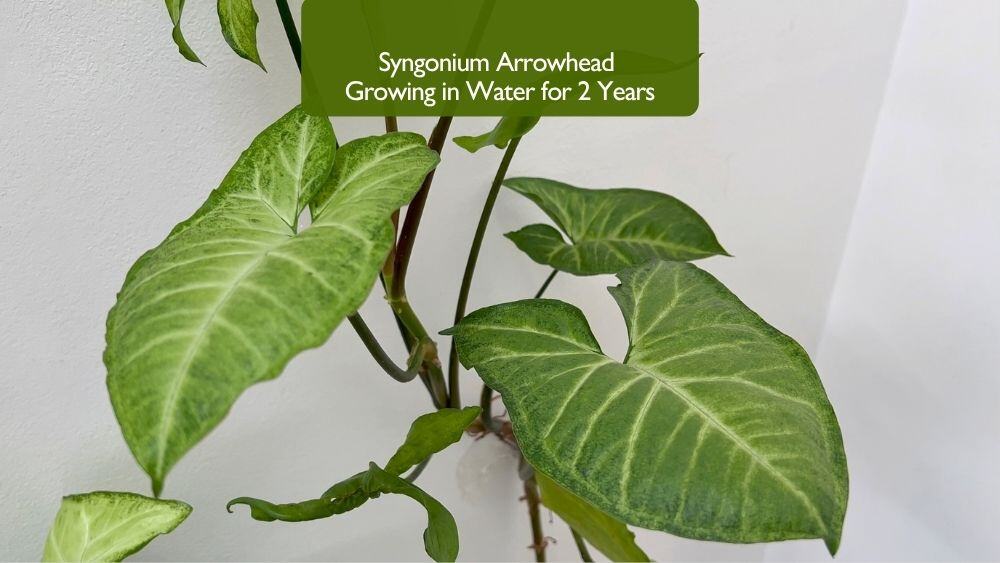
My Journey with Syngonium Arrowhead Plant Growing in Water
I’ve had this Syngonium Arrowhead for more than six years. For the first four, it never really thrived in soil. While my other Arrowheads were growing beautifully, this one always looked pale, droopy, and weak. No matter how carefully I adjusted watering or lighting, nothing seemed to help.
At one point, I decided to try something completely different to grow it without soil.
I gently washed the roots, removed all the old soil, trimmed the soft or damaged parts, and placed the plant into a clean glass vase filled with filtered water.
What happened next honestly surprised me.
Within two weeks, the leaves became upright, stronger, and noticeably greener. After just one week, a new leaf appeared, a clear sign that my Syngonium Arrowhead plant growing in water had finally found what it needed.
The simplicity of this method amazed me. Very quickly, this became one of my favorite ways to grow indoor plants.
If you prefer to see the whole process in action, you can watch it below before we continue with the details.

Supporting Healthy Growth for Your Syngonium Arrowhead Plant Growing in Water
As the Syngonium kept growing, the roots slowly filled the vase and the vines started reaching upward. I didn’t want them to hang loosely, so I used soft plant tape on the wall and gently guided the stems to climb.
This simple trick helped the plant grow the way it naturally wants to. At the same time, it created a beautiful living display in the corner of the room. The delicate vines climbing upward gave the space a lush, tropical feel, and the best part was, there was still no soil involved.
If you decide to try growing your own Syngonium Arrowhead plant in water, remember that light placement and a bit of gentle support make a big difference in keeping the plant strong and well-shaped.
Ideal Conditions for Syngonium Arrowhead Plant Growing in Water
Healthy hydroponic growth is all about simple balance. Here’s what really matters when growing a Syngonium Arrowhead plant in water:
💡 Light
Bright, indirect light works best. Syngoniums can tolerate lower light, but avoid direct sun. Strong sunlight can scorch the leaves and also encourage algae to form in the water.
💧 Water Quality
Use filtered, rain, or distilled water to protect the delicate roots. Change the water every 4–6 weeks, or sooner if it starts to look cloudy. Each time you change it, rinse the roots and wash the vase to prevent algae buildup.
🌫️ Humidity
One of the hidden benefits of growing Syngonium in water is the natural humidity it creates around the plant. This small microclimate helps the leaves stay fresh and reduces browning on the edges.
🌿 Fertilization
During the active growing season, add a few drops of liquid fertilizer to the water once a month. Use only half the normal dose recommended for soil plants. Too much fertilizer can burn the roots and make the water cloudy.
If you prefer natural options, you can also try rice water as a gentle nutrient source. I explained how to use it properly in my guide Rice Water Fertilizer for Plants: How to Use It Safely.
These small habits keep your Syngonium Arrowhead plant growing in water healthy, balanced, and vigorous throughout the year.
Tips for Maintaining Your Hydroponic Syngonium
With this method, consistency really is the secret. A few simple habits will keep your Syngonium Arrowhead plant growing in water healthy for the long term:
- Replace the water regularly and gently rinse the roots.
- Keep the vase clean and free from algae.
- Avoid cold drafts or sudden temperature changes.
- Remove any yellow or damaged leaves as soon as you notice them.
- Check for pests (rare, but still possible) and wipe the leaves occasionally with a damp cloth.
None of this takes much time. In fact, I find this little routine quite relaxing. There’s something very calming about caring for a plant that grows so peacefully in nothing but water.
If you’re curious about other plants that thrive this way, I’ve also grown Golden Pothos in water for three years. You can read the full guide here: Growing Golden Pothos in Water for 3 Years – Complete Care Guide
Propagating Syngonium for a Fuller Plant
Propagation is one of the most satisfying parts of growing Syngonium in water. Once you try it, you can easily make the plant fuller or share cuttings with friends.
Here’s what works best for me:
- Take cuttings just below a leaf node – this is where new roots will grow.
- Avoid leaf-only cuttings. Without a node, they won’t root.
- Trim the stems occasionally to encourage branching and denser growth.
Within a few weeks, you’ll start to see thin white roots forming. Soon after, new leaves follow.
I like to place several rooted cuttings into the same vase. This creates a much fuller, bushier plant and turns a simple setup into a beautiful centerpiece.
If you enjoy propagating plants in water, you might also like my guide How to Propagate Philodendron White Princess in Water + Results, where I show the same method in action with another beautiful plant.
Enhanced Growth and Vitality with Hydroponic Method

One of the most interesting things I noticed while growing my Syngonium in water is how differently the plant behaves compared to soil.
The roots grow faster, stay cleaner, and look much stronger. Instead of pushing through dense soil, they receive oxygen and nutrients directly from the water. This results in healthier leaves and sturdier stems.
You may notice that the leaves are sometimes slightly smaller than those grown in soil, but the color and natural gloss are beautiful. The constant moisture also reduces stress on the plant, which allows it to grow steadily throughout the year.
And honestly, being able to see the roots through the glass turns everyday care into a small living science lesson. It’s surprisingly satisfying to observe.
Reduced Soil-Borne Problems and Cleaner Plant Care
One of the biggest advantages of growing Syngonium in water is what you completely avoid.
There’s no soil, which means no fungus gnats, no mold, and no compacted soil problems. Everything feels cleaner, lighter, and much easier to manage indoors.
Another thing I really enjoy is being able to see the roots at all times. You don’t have to guess what’s happening below the surface. The plant tells you directly how healthy it is.
Watching new roots grow in clear water is also surprisingly calming. Caring for a Syngonium this way feels more interactive and much more satisfying.
If you’ve ever struggled with tiny flies around your pots, you’ll understand why this method feels so refreshing. I explained exactly how to deal with them in my article How to Get Rid of Fungus Gnats in Houseplants Permanently.
Experimenting with Nutrients and Growth Solutions
Another advantage of growing Syngonium in water is how easy it is to adjust nutrients.
In soil, fertilizers can build up unevenly and it’s hard to know what’s really happening around the roots. In water, you have much more control. You can slightly adjust the fertilizer amount and quickly see how the plant responds.
This makes the care routine feel more flexible and personal. Over time, you naturally learn what works best for your own Syngonium.
Adaptability and Aesthetic Appeal
Syngoniums grown in water are surprisingly adaptable. The constant moisture at the roots helps them handle small changes in temperature and humidity with less stress.
But beyond practicality, this method is simply beautiful.
A Syngonium in a clear glass vase looks modern, clean, and refreshing – perfect for desks, shelves, bathrooms, or cozy corners that need a touch of greenery.
This way of growing turns the plant into a small living art piece that fits easily into any space.
Final Thoughts
Growing my Syngonium in water turned out to be one of the most rewarding plant experiments I’ve done. It’s simple, clean, and surprisingly satisfying to watch.
Seeing new roots form, leaves unfold, and the plant slowly gain strength in nothing but water is something I didn’t expect to enjoy this much.
If you have a Syngonium that struggles in soil, or you just want to try a cleaner way of growing plants, this method is absolutely worth it. Sometimes, the simplest approach is exactly what the plant needs to thrive.
🎵 Music for Plants
Curious how sound frequencies can enhance plant growth? Discover the connection between music and plant vitality – how certain tones and vibrations can promote stronger growth, calmer energy, and healthier leaves.
By combining gentle care with the power of music, you can transform your indoor garden into a living sanctuary. From faster growth to more vibrant foliage, music helps your plants thrive naturally.
🎧 Click here to explore my Music for Plants guide and start creating a soothing environment where your greenery and your energy flourish together.

Related Articles
- The Truth About Misting Houseplants: Should You Do It or Not?
- 70% Alcohol on Houseplants to Kill Pests? I Tested This Method – Here’s What Happened
- Best Soil Mix for Aroids: Philodendron, Syngonium & Monstera
- Zeolite for Plants: What It Is and Why It Matters

Explore More Music for Your Plants & Stay Connected!
Check out my Playlist: Music for Plants and find the perfect tunes to help your plants and yourself thrive.
Don’t forget to visit my YouTube Channel Plant House & Garden and subscribe — your support means the world to me!
Connect with me on social media for more plant care tips and music updates: Instagram | Facebook | X | Pinterest | Reddit | TikTok
Love plants? Love music? Don’t miss out on new updates — hit subscribe and follow now to keep your plants happy and your space vibrant!