Rice Water Fertilizer for Plants: How to Use It Safely
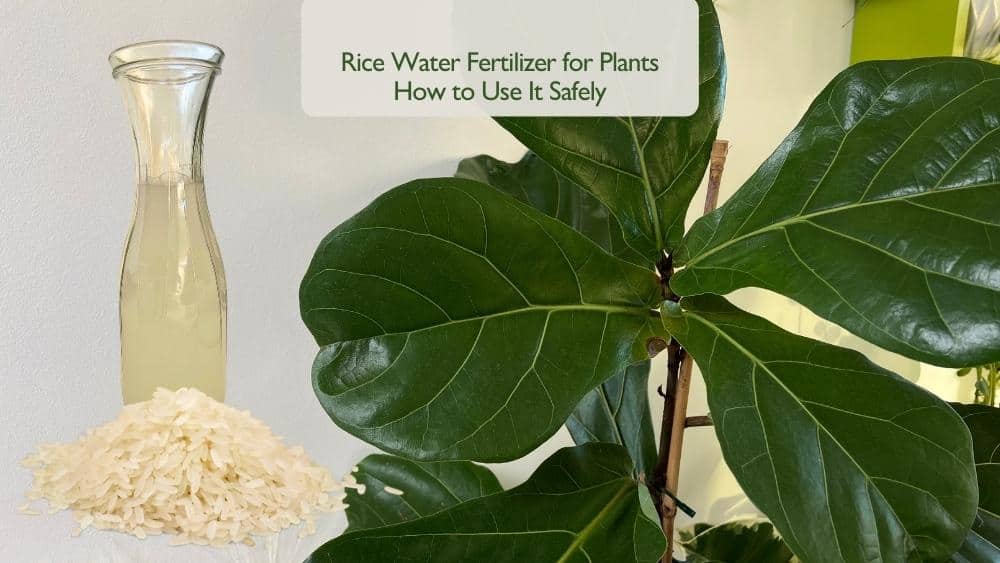
Rice water fertilizer for plants is one of the most talked-about DIY plant care tips and for a good reason. It’s free, easy to make, and comes straight from your kitchen. But while rice water can benefit plants, using it the wrong way can cause more harm than good.
In this guide, I’ll explain how rice water for plants actually works, when it helps, when it doesn’t, and how to use rice water on plants safely - especially for houseplants.
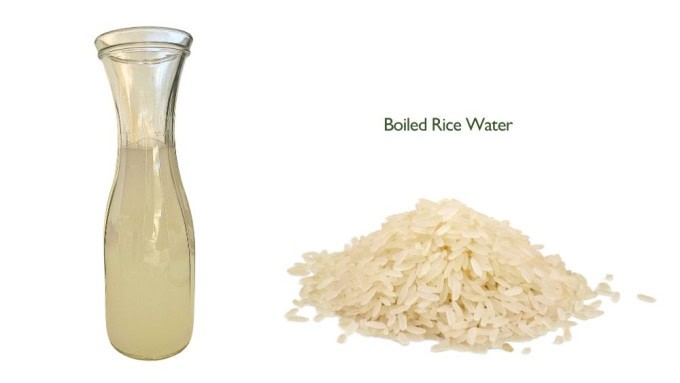
| Aspect | Detail |
|---|---|
| What it is | The starchy water from rinsing or boiling rice |
| What it offers | Small amounts of starch and trace nutrients, a mild boost |
| How often | Occasionally, about once every two to four weeks |
| Best made by | Rinsing or boiling, then cooling and diluting before use |
| Best for | Healthy, actively growing houseplants |
| Watch out for | Smell, mold, and pests if used too strong or too often |
What Is Rice Water and Why Plants React to It
Rice water is the cloudy liquid left after rinsing or boiling rice. It contains starches and small amounts of natural compounds released from the rice. While it’s often called a fertilizer, rice water doesn’t directly feed plants like traditional nutrients do.
It contains:
- Small amounts of starch
- Trace minerals
- Simple carbohydrates
Rice water for plants works indirectly. The starches in rice water can stimulate beneficial soil microorganisms, which helps improve nutrient availability around the roots. When used in small amounts, this can support healthier growth.
However, too much rice water can quickly cause problems, especially in pots. Excess starch may reduce airflow in the soil and encourage unwanted microbial growth. That’s why rice water fertilizer for plants should always be used carefully and only occasionally.
Plants react to rice water not because it’s powerful, but because it temporarily changes what’s happening in the soil around their roots.
Is Rice Water Good for Houseplants?
This is one of the most common questions, and the honest answer is:
Yes, rice water can be good for houseplants, but only when used properly.
Houseplants live in closed systems (pots), where excess starch can easily:
- Compact the soil
- Reduce oxygen around roots
- Encourage mold or fungus gnats
That’s why raw rice water is risky, especially indoors. If you want to use rice water on houseplants, the method matters more than the ingredient itself.
Raw Rice Water vs Boiled Rice Water for Plants (Important Difference)
Raw Rice Water
- High starch content
- Ferments quickly
- Can cause sour soil and root stress
- Not recommended for regular use
Boiled Rice Water for Plants
- Lower starch concentration
- More stable
- Safer for potted plants
- Easier for soil microbes to process
👉 Boiled rice water for plants is always the safer choice, especially for beginners.
How to Make Rice Water Fertilizer for Plants (Safe Method)
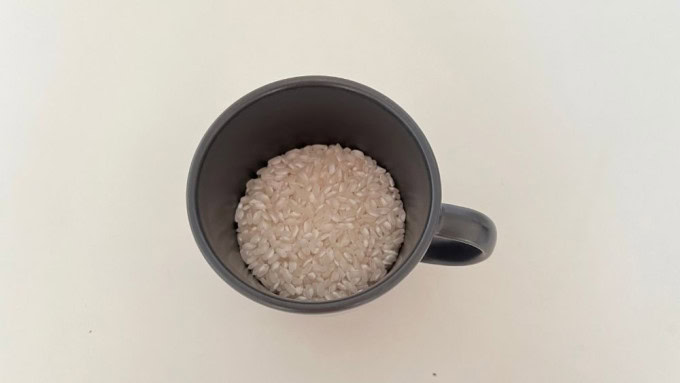
What you need:
- ½ cup plain white rice
- 4 cups water
- No salt, oil, or seasoning
Instructions:
- Add the rice to the water and boil for 10-12 minutes, as you normally would when cooking rice.
- Strain the rice and collect the cloudy water in a clean container.
- Allow the rice water to cool completely to room temperature.
- Dilute the rice water with fresh water in a 1:1 ratio before use.
This diluted solution is your rice water fertilizer for plants, ready to use safely.
How to Use Rice Water on Plants (Step-by-Step)
- Water the soil, not the leaves
- Use it instead of regular watering, not in addition
- Apply only to already moist soil
- Use once every 3-4 weeks at most
Rice water is a gentle, optional supplement for plants and should be used occasionally, as it does not replace balanced fertilization or proper plant care.
Best Plants for Rice Water Fertilizer
Rice water works best for:
- Leafy houseplants
- Fast-growing plants
- Plants in active growth (spring & summer)
Avoid using rice water on:
- Succulents and cacti
- Plants already under stress
- Plants with compacted or poorly draining soil
If your plant prefers airy soil, rice water may do more harm than good. Rice water isn’t ideal for plants that rely on constant airflow around the roots, unless it’s used very diluted, very occasionally, and only in well-draining mixes.
For aroids like Philodendrons, Alocasias, and Anthuriums, lentil water is often a better option than rice water because it doesn’t rely on starch and is less likely to affect soil structure.
Common Mistakes That Can Harm Plants
These are the most frequent issues I see:
- Using raw rice water
- Applying it too often
- Using it on dry soil
- Letting rice water ferment
- Expecting fast, dramatic results
Rice water supports soil biology, not instant growth.
Rice Water Fertilizer vs Lentil Water Fertilizer
Rice water and lentil water work in very different ways.
- Rice water → carbohydrates & starches → supports microbes
- Lentil water → amino acids & proteins → supports plant metabolism
If you’re looking for a protein-based option, you can also try my Homemade Lentil Water Fertilizer for Plants (Organic & Easy), which many readers have already tested with great results.
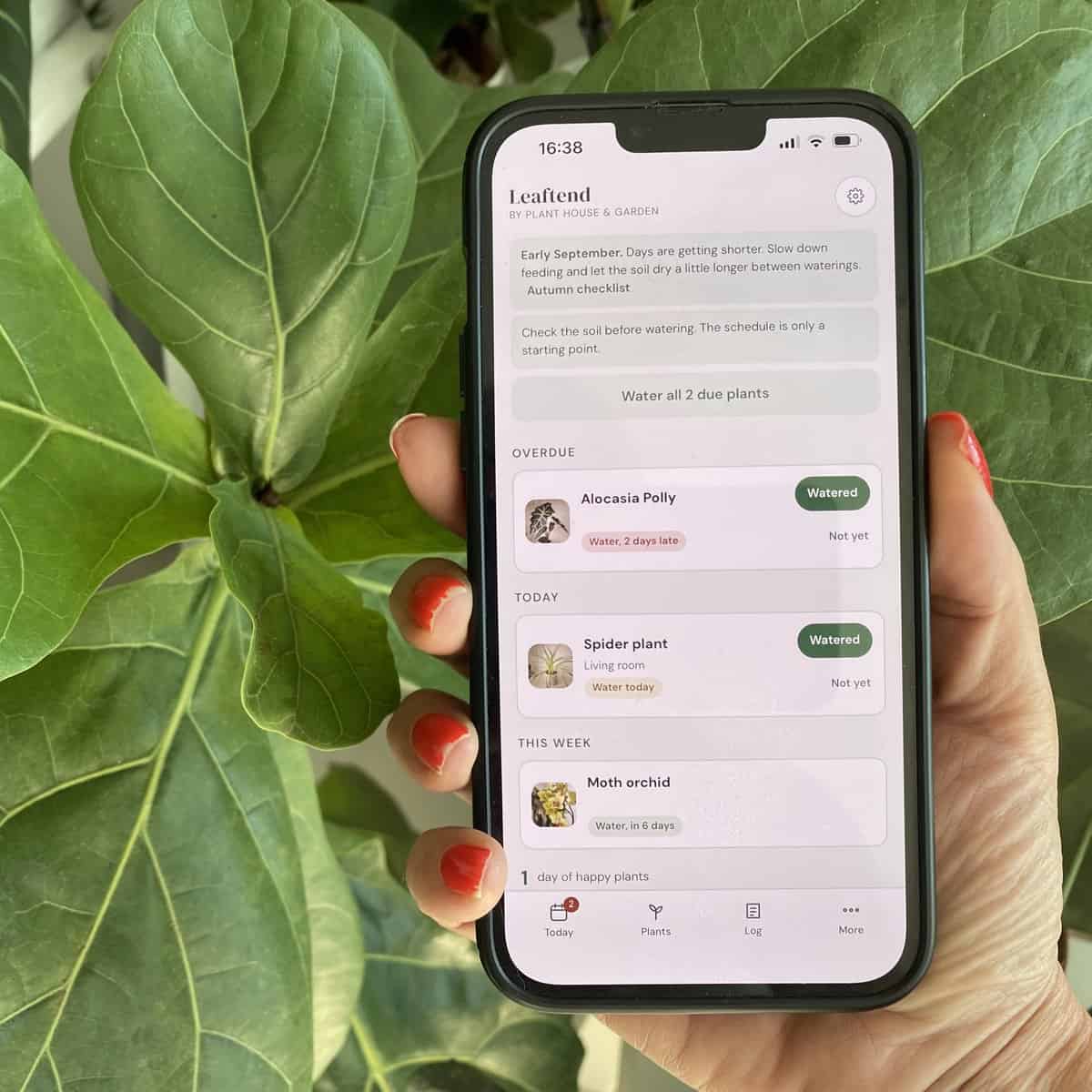
Rice water is a nice extra, but it works best alongside good basic care. See our houseplant care for beginners guide for the essentials, and use my Plant Care Journal to track when you feed, so rice water stays an occasional treat rather than a routine.
Frequently Asked Questions About Rice Water Fertilizer for Plants
Is rice water fertilizer for plants safe to use regularly?
No. Rice water should be used occasionally, about once every 3-4 weeks. Using it too often can cause soil imbalance, especially in potted plants.
Can I use rice water on all houseplants?
Rice water is best for healthy, actively growing plants. Avoid using it on succulents, cacti, or plants already stressed by poor drainage or overwatering.
Is rice water good for houseplants like philodendrons or alocasias?
It can be used with caution. Only use boiled and diluted rice water, and apply it very rarely in well-draining, airy soil mixes.
Should I use raw or boiled rice water for plants?
Boiled rice water is the safer option. Raw rice water contains more starch and can ferment quickly, which may harm plant roots.
Can rice water replace fertilizer?
No. Rice water fertilizer for plants is a supplement, not a replacement for balanced fertilization, proper light, watering, and soil care.
Can I store rice water for later use?
It’s best to use rice water fresh. Stored rice water can ferment quickly, even in the fridge, and may cause problems when applied to plants.
Final Thoughts: Is Rice Water Worth Using?
Rice water fertilizer for plants can be helpful when used carefully and occasionally. Boiled, diluted rice water is the safest option, especially for houseplants.
Think of rice water as a gentle soil booster, not a miracle fertilizer. Combine it with:
- Proper light
- Correct watering
- Well-draining soil
And your plants will thank you in the long run 🌱
Related Articles You May Like
- Homemade Lentil Water Fertilizer for Plants (Organic & Easy)
- Homemade Leaf Shine Recipe for Healthy Houseplants
- Zeolite for Plants: What It Is and Why It Matters
- Houseplants Watering Tips - 5 Mistakes to Avoid: How, When & How Much to Water
While nutrition and proper watering come first, some growers also enjoy using gentle background music for plants as part of their care routine. This video is designed to create a calm, consistent atmosphere for both plants and plant lovers.

Click here to watch the video on YouTube

Written by Bojana
Plant lover, grower, and music maker behind Plant House & Garden, with 35+ years of hands-on houseplant experience. Read more about Bojana →