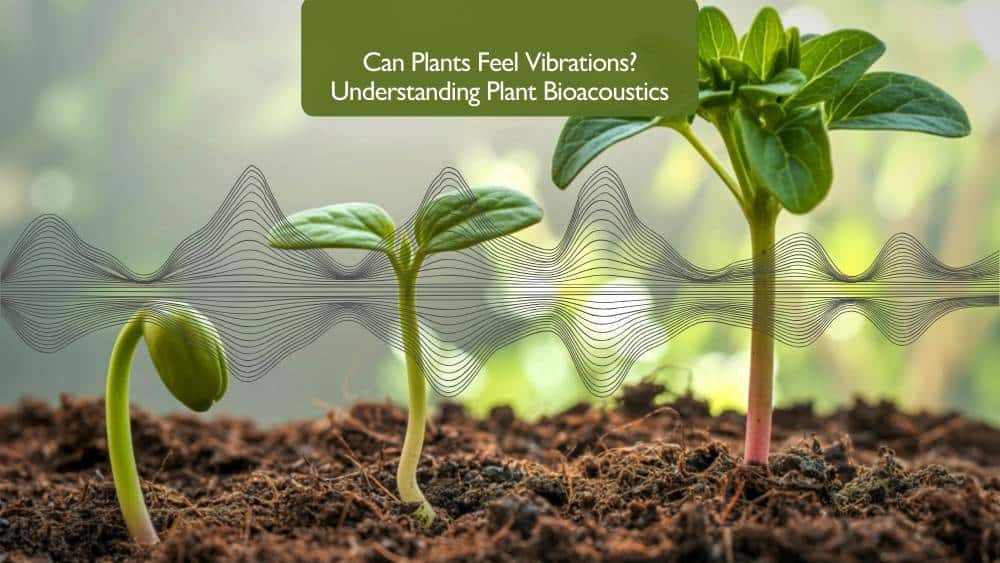
Can Plants Feel Vibrations? The Science Behind Plant Bioacoustics
🎵 Part of my Music for Plants hub.
Can plants feel vibrations? Yes, scientific research shows that plants respond to specific sound frequencies that can influence growth, stress response, and cellular processes. Some studies suggest plants react most strongly to vibration ranges between 100 and 500 Hz. In practice, that is why gentle audio like birdsong and river sounds for your plants can be a pleasant way to add sound to your growing space.
My answer to that question begins with a memory from childhood - one that stayed with me for 35 years.
When I was a kid, I could never understand why my mother talked to her houseplants.
I remember watching her gently touch the leaves, whisper something soft, and smile as if the plants were speaking back to her.
And the strange part?
Her plants were thriving.
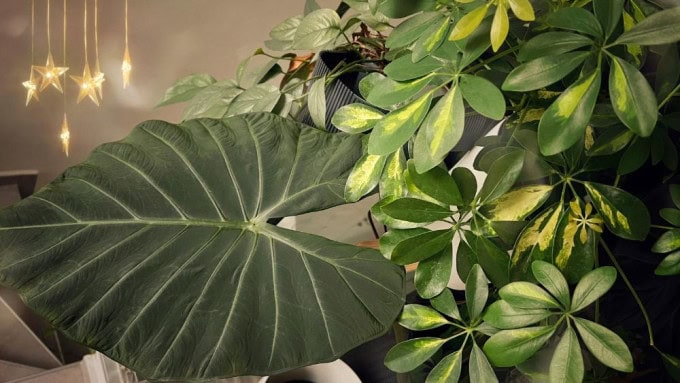
Enormous Alocasias growing only in regular soil - no perlite, no humidifiers, no gadgets. A Monstera climbing the wall effortlessly, without a moss pole or support. Everything she touched seemed to grow with impossible strength and beauty.
One day I asked her why she talked to them, and she looked at me like she was sharing a truth most people forget:
“They are living beings. They sense everything - your words, your presence, your energy.”
Back then, I didn’t understand her secret.
But now, almost 35 years later, I finally do.
And only now, after decades of my own experience with plants, frequencies, and natural harmony…
I realize she was right all along.
And today, science finally proves what she intuitively knew: plants can sense, respond, and communicate through vibrations, frequencies, and subtle energetic signals.
| Finding | What the research suggests |
|---|---|
| Plants detect vibrations | In lab studies, roots can grow toward a source of vibration, such as the sound of running water. |
| They react to insect sounds | Some plants ramp up chemical defenses when they sense the vibrations of caterpillars chewing. |
| They respond to pollinators | Evening primrose was shown to quickly sweeten its nectar after sensing bee wingbeat vibrations. |
| Music and growth | A few studies report faster growth with certain sounds, but the results are mixed and not conclusive. |
| "Healing" frequencies (432 / 528 Hz) | Popular online, but there is no peer-reviewed evidence they heal plants or repair cells. Enjoy them as ambiance. |
An honest note: plants genuinely sense and respond to vibration, but the idea that specific frequencies like 432 Hz or 528 Hz heal plants or repair DNA is not supported by peer-reviewed science. Treat those as a fun, calming experiment rather than a proven treatment.
Can Plants Really Feel Vibrations?
For decades, people believed that talking to plants or playing music for them was nothing more than a sweet habit. But today, science is finally catching up with something our parents and grandparents always knew instinctively:
plants do sense the world around them - including sound, energy, and vibration.
Modern research in plant bioacoustics shows that plants are far more aware and responsive than we ever imagined. They don't have ears, nervous systems, or brains like humans, but they do have extraordinary biological mechanisms that allow them to detect even the tiniest vibrations in their environment.
And this leads us to the question people ask the most:
can plants feel vibrations?
The answer is yes - absolutely.
Plants sense vibrations through several extraordinary biological systems that work together in ways most people never imagine:
✔ Their cell walls
Plant cells aren’t rigid blocks - they’re flexible structures filled with water and supported by a dynamic network of fibers. When a sound wave or frequency moves through the environment, these tiny cell walls begin to vibrate.
That vibration triggers changes inside the cell, such as shifts in calcium levels or electrical signals.
This is the foundation of plant vibration sensitivity - the plant’s first “awareness” that something is happening around it.
✔ Mechanoreceptors (vibration sensors)
These are highly specialized proteins inside plant cells that respond specifically to pressure, touch, and sound.
When vibrations pass through air or soil, these receptors open or close like microscopic gates, activating entire biochemical pathways inside the plant.
This means plants can detect the difference between:
- gentle, harmonic vibrations (like soft music)
- sharp, stressful vibrations (like machinery or strong wind)
Modern research in plant bioacoustics shows that these receptors help the plant decide how to react.
✔ Water movement inside the plant
Plants are made of 80-90% water. Because of that, any vibration - from music, footsteps, or even speech - travels through the plant’s tissues just like ripples moving across a pond.
These ripples influence:
- nutrient transport
- hormone distribution
- the opening and closing of stomata
- root direction and growth behavior
This is why plants can respond to even very soft frequencies.
Water acts like a perfect conductor.
If you’re curious about the surprising ways water, music and frequency might influence plant growth, check out my full article Masaru Emoto Water Research: How Water, Music, and Frequencies Influence Plant Growth.
And here’s the most incredible part:
When these sensing systems are activated, the plant doesn’t just “notice” the vibration - it changes its behavior in response.
It may grow faster, redirect its roots, strengthen its stems, or, in some cases, reduce growth if the vibration is stressful.
This is where the science becomes fascinating:
plants react to vibrations the same way animals react to stimuli - by adapting.
It’s not imagination.
It’s not folklore.
It’s biology.
How Plants Respond to Sound (According to Research)
Modern studies in plant bioacoustics show that plants are far more sensitive to sound than we once believed. They don’t have ears, but they react to vibrations in measurable, predictable, and sometimes astonishing ways.
Researchers have discovered that when plants are exposed to certain frequencies, especially gentle harmonic ones, several biological processes change:
✔ Faster Cell Division & Growth
Sound waves stimulate the movement of ions, especially calcium, inside plant cells.
Calcium is the “messenger molecule” that tells the plant when to grow.
When exposed to harmonic vibrations, plants often show:
- thicker stems
- longer roots
- larger leaves
- overall increased biomass
This is one reason soft music and healing frequencies can influence plant health.
✔ Root Navigation (Yes, Sounds Guide Roots!)
One of the most surprising discoveries is that roots can detect the sound of water.
Experiments show that roots grow toward the vibration patterns created by moving water, even when no moisture is present directly nearby.
This means roots are using vibration - not just moisture - to make decisions.
A perfect example of plant vibration sensitivity in action.
✔ Stress Reduction & Adaptive Behavior
Some frequencies help plants cope with environmental stress.
When plants are treated with soft sound waves, researchers noticed:
- reduced shock after repotting
- improved tolerance to drought
- better recovery from pests or disease
This suggests that vibrations can activate the plant’s protective genes.
✔ Communication Between Plants
Plants also create their own tiny sound signals through:
- popping of cell walls
- movement of fluids
- microscopic vibrations in stems
Some studies suggest plants may “listen” to each other’s stress sounds - an early form of communication.
✔ Frequency-Specific Reactions
Not all sound is beneficial. Plants react differently depending on the vibration:
- harmonic frequencies → increased growth and vitality
- chaotic noise → reduced growth, stress responses
- certain tones → altered hormone production
This is why researchers studying “do plants react to music” found consistent results:
Plants respond better to calm, rhythmic, harmonic sound, not noise or stressful vibrations.
The Big Conclusion
Plants respond to sound the same way they respond to light or touch - as real biological information.
Sound changes them.
Not metaphorically - physically.

Do Plants React to Music? What Research Really Shows
Now that we understand how plants sense vibration, the next question naturally appears:
do plants react to music?
The short answer is yes - and not only react, but respond in ways that are visible, measurable, and sometimes astonishing.
Plants don’t hear melodies the way humans do.
They don’t recognize instruments or rhythms.
But music is nothing more than organized vibration, and plants are highly sensitive to vibration.
And this is where the research becomes truly fascinating.
✔ Harmonic Music Supports Plant Growth
Multiple studies in plant bioacoustics found that when plants are exposed to soft, rhythmic, non-chaotic music, they show signs of improved growth.
Not just slightly - but noticeably.
Plants treated with gentle music often develop:
- stronger and thicker stems
- more expansive leaf area
- deeper and more branched roots
- increased overall biomass
The explanation is simple:
harmonic vibrations create stable patterns that help the plant regulate growth and metabolism.
It’s not the “song” that matters - it’s the structure and the frequency behind it.
✔ Chaotic or Harsh Sound Creates Stress
On the other hand, loud, irregular, or aggressive sound waves have the opposite effect.
Experiments show that plants exposed to chaotic noise experience:
- stunted growth
- reduced root development
- increased stress hormone production
This reinforces one of the core principles of plant bioacoustics:
vibration quality matters more than volume.
✔ Plants Detect Vibration Patterns, Not Music Genres
A plant cannot prefer classical music over pop.
It cannot “like” violin more than piano.
But it can recognize the difference between:
- stable, coherent vibration
- unstable, harsh vibration
So when people ask, “Do plants react to music?”
the scientific answer is:
Plants react to the vibrational structure within the music - not the melody itself.
✔ Roots Are Especially Sensitive
Roots continuously explore their environment, and vibration is one of the signals they rely on.
Studies show that roots will grow toward stable, harmonic frequencies and avoid chaotic or stressful ones.
This is one of the strongest pieces of evidence that plants are not passive organisms - they make decisions based on vibrational information.

✔ Why Healing Frequencies Work So Well (432 Hz, 528 Hz, Solfeggio)
Healing frequencies are known for their exceptionally smooth, stable waveforms.
They resemble natural environmental vibrations - the kind plants evolved with over millions of years.
This is why many plant experiments, including mine, show positive results with:
- 432 Hz (harmony, coherence)
- 528 Hz (cellular repair, vitality)
- Solfeggio frequencies (stable energy fields)
Plants respond to coherence.
They respond to order.
They respond to anything that strengthens natural harmony.
✔ Human Voices Affect Plants Too
And here is the poetic truth science now supports:
Your voice - your soft words, your tone, your calm presence - also produces harmonic vibrations that plants can sense.
This brings us full circle to what my mother intuitively knew:
Plants respond to kindness, intention, and gentle energy - because vibration is the language they understand.
Best Frequencies for Plant Growth (432 Hz, 528 Hz & More - What Research Suggests)
Over the past few years, researchers - and plant lovers like us - have noticed that certain sound frequencies consistently support healthier, faster, and more resilient plant growth. These frequencies seem to “speak the same language” as plants, matching the harmonic patterns found in nature.
Here are the frequencies most often associated with improved plant growth:
🌿 432 Hz - The Natural Harmony Frequency
Many studies and real-world experiments suggest that 432 Hz creates a calming, growth-supportive environment for plants. It mirrors patterns found in nature, reduces stress vibrations, and helps plants maintain energetic balance.
👉 For a full breakdown of how this works, read:
432 Hz Frequency Explained - The Healing Sound That Transforms Plants and People
https://planthouseandgarden.com/432-hz-frequency-explained/

🌱 528 Hz - The “Love Frequency” Linked to Cellular Repair
Known for its connection to DNA repair and cellular harmony, 528 Hz is one of the most studied tones in sound therapy. Many plant growers report:
• faster sprouting
• healthier roots
• more vibrant leaves
• quicker recovery after stress
528 Hz Frequency: The Miracle Tone for Healing Humans and Plants
https://planthouseandgarden.com/528-hz-frequency-miracle-tone/

🔺 369 Hz - Tesla’s Universal Frequency Code
Based on Nikola Tesla’s famous statement, “If you understand 3, 6, and 9, you hold the key to the universe,” this frequency family is linked to energetic alignment and natural coherence.
While research on 369 Hz specifically for plants is emerging, early observations show increased:
• vibrational resonance
• environmental harmony
• stress resilience
369 Hz Frequency Explained - Nikola Tesla’s Universal Code
https://planthouseandgarden.com/369-hz-frequency-explained/

🌍 Schumann Resonance (7.83 Hz) - The Earth’s Natural Frequency
Plants evolved under the Earth’s electromagnetic heartbeat. The Schumann Resonance matches their circadian rhythm, energy cycles, and natural bioelectrical activity.
Exposure to this frequency has been associated with:
• stronger root systems
• improved water uptake
• reduced plant stress
• more stable growth
Schumann Resonance for Plants - The Earth’s Natural Frequency
https://planthouseandgarden.com/schumann-resonance-for-plants/

🎶 Solfeggio Frequencies - Ancient Harmonic Patterns Plants Respond To
Some Solfeggio tones (particularly 396 Hz, 417 Hz, 528 Hz, and 639 Hz) appear to support plant vitality by creating harmonic vibration fields.
These tones may help:
• improve photosynthesis
• stimulate nutrient absorption
• increase resilience during environmental changes
Solfeggio Frequencies Chart: Meanings, Benefits, and How to Use Each Tone
https://planthouseandgarden.com/solfeggio-frequencies-chart/
What Are Solfeggio Frequencies? The Ancient Sounds That Heal, Grow, and Harmonize Life
https://planthouseandgarden.com/solfeggio-frequencies-explained/
Together, these frequencies form a powerful toolkit - a way to support plant growth not just physically, but energetically, aligning their natural rhythms with the harmonic patterns found in the universe.

My Experiments With Plant Frequencies & the Music I Create
Long before I started researching plant bioacoustics, I was simply someone who loved plants - and I began noticing something unusual in my own home.
Some plants responded differently when I played certain tones.
Some pushed new leaves faster.
Some rooted stronger.
Some recovered from stress more quickly.
At first, I thought it was coincidence.
But the more I experimented, the more undeniable it became:
plants respond to frequency in real, visible, measurable ways.
So a few years ago, I began creating my own music -not entertainment, not background noise,
but carefully composed frequency-based soundscapes designed specifically for plant growth and harmony.
And the results changed everything for me.
My Early Experiments
I started simply:
- one plant with no sound
- one plant with gentle harmonic frequencies
- equal light
- equal watering
- equal conditions
And again and again, the frequency-grown plants showed:
✔ faster leaf formation
✔ stronger stems
✔ fuller crowns
✔ deeper green pigmentation
✔ quicker recovery after repotting
I repeated the experiment with different species - Monstera, Philodendron, Alocasia, ZZ plants - always with the same pattern.
Plants treated with stable frequencies, especially 432 Hz, 528 Hz, and Schumann tones, consistently showed more balance and vitality.
Creating Music Specifically for Plants
As a musician, I began refining the idea.
Instead of ordinary songs, I composed:
- pure tone harmonics
- layered natural frequencies
- slow rhythmic pulses that mimic water flow
- ambient energy fields that reduce vibrational stress
The goal was simple:
create sound that feels like nature.
Each piece is built to support:
- water movement
- calcium signaling
- root stimulation
- stress reduction
- energetic harmony
And something beautiful happened -
not only did plants respond,
but people did too.
Feedback From the Community
When I began sharing my music on YouTube, the messages came almost immediately:
“My plant pushed a new leaf within days.”
“My orchids look healthier.”
“My Monstera finally unfurled a perfect leaf.”
“My seedlings sprouted faster.”
“My home feels calmer when this music plays.”
People noticed changes in their pets, their sleep, and even their emotions - because these frequencies support human harmony just as much as plant harmony.
And this convinced me even more that sound is a universal language, understood by all living beings.
Why I Keep Creating Plant Music
Because the world is loud.
Because plants deserve harmony.
Because so many people need calm.
Because frequency is one of the most natural healing tools we have - for plants, and for us.
Every piece of music I create is made with intention, balance, and gentle energy.
It’s more than sound - it’s a vibrational environment where life feels safe to grow.
Recommended Frequency Tracks for Plant Growth, Healing & Vibrational Harmony
If you’d like to try sound therapy with your plants, here are three of my most-watched frequency videos - the ones with the strongest feedback from viewers.
They include 432 Hz, 528 Hz, and the Earth’s Schumann Resonance - frequencies known for supporting plant vitality, harmony, and natural balance.
Feel free to explore the YouTube comments beneath these videos.
You'll find real stories from people who tried these frequencies with their plants - and many have experienced truly amazing results.
Click here to watch the video on YouTube

Click here to watch the video on YouTube

Click here to watch the video on YouTube
If you’d like an even wider selection of frequencies, you can explore my full “Music for Plants” playlist on YouTube.
It contains over 100 carefully composed tracks with different tones, natural harmonics, and healing frequencies designed to support plant growth, balance, and overall vitality.
Choose what feels right for your plants and experiment with the sounds they respond to the most.
👉 You can visit the playlist here: https://youtube.com/playlist?list=PLiB5sd9gCMoi0gH3xiF5jL9qy2c7VvjVQ
Want to try sound with your own plants? My Plant Growth Frequency audio is an easy way to experiment, played as a calming part of your plant-care routine rather than a guaranteed treatment.
Frequently Asked Questions
Can plants really feel vibrations?
Yes. Plants do not have ears, but they sense mechanical vibrations through their tissues and respond in measurable ways. Studies show roots growing toward vibrations and plants boosting their defenses when they detect insects chewing nearby.
Do plants respond to music?
Some studies suggest certain sounds can affect plant growth, but the results are mixed and not conclusive. Plants likely respond to the vibration itself rather than melody or genre. Playing music for your plants is a harmless, enjoyable experiment.
What frequencies do plants respond to?
Research points to low-frequency vibrations, often roughly in the 100 to 1000 Hz range, as the kind plants detect most clearly in experiments. Popular healing frequencies like 432 or 528 Hz are cultural favorites rather than scientifically established plant boosters.
Does 528 Hz or 432 Hz actually help plants grow?
There is no peer-reviewed evidence that 528 Hz, 432 Hz, or other specific tones heal plants or repair cells. They are pleasant to play and create a calm space, but treat any growth benefit as unproven and anecdotal.
How can I experiment with sound and my plants?
Play music or gentle tones softly near your plants for a set time each day and keep simple notes on their growth. Keep light, water, and humidity consistent so you can tell what is really making a difference.
What frequency do plants vibrate at?
Plants do not hum at one fixed frequency. Research in plant bioacoustics shows they respond to vibrations in different ranges, like the chewing sounds of insects, and stressed plants can even emit ultrasonic clicks far above human hearing. Claims that plants vibrate at one special healing frequency, such as 432 Hz, are not supported by peer-reviewed science.
Final Thoughts
Plants may not speak, but they listen - through vibration, rhythm, and the subtle energy that surrounds them.
From ancient intuition to modern plant bioacoustics, one truth keeps appearing:
sound affects life.
Whether through gentle frequencies, harmonious music, or the calm tone of your own voice, you have the power to create an environment where your plants feel safe, balanced, and ready to grow.
And once you start observing how they respond, you’ll never look at your plants the same way again.
Related Articles
If you’d like to dive deeper into frequencies, harmony, and natural growth, here are some helpful posts:
- 432 Hz Frequency Explained - Harmony for Plants & People
https://planthouseandgarden.com/432-hz-frequency-explained/ - 528 Hz Frequency - The Miracle Tone for Healing Humans and Plants
https://planthouseandgarden.com/528-hz-frequency-miracle-tone/ - 369 Hz Frequency Explained - Nikola Tesla’s Universal Code
https://planthouseandgarden.com/369-hz-frequency-explained/ - Schumann Resonance for Plants - Earth’s Natural Frequency
https://planthouseandgarden.com/schumann-resonance-for-plants/ - Solfeggio Frequencies Chart - Meanings, Benefits & How Each Tone Works
https://planthouseandgarden.com/solfeggio-frequencies-chart/

Written by Bojana
Plant lover, grower, and music maker behind Plant House & Garden, with 35+ years of hands-on houseplant experience. Read more about Bojana →
A note from Bojana: I share sound frequencies like 432 Hz from years of personal experience and hands-on experimenting with my own plants. I want to be honest with you: the science on whether specific frequencies directly affect plant growth is still limited and not conclusive. So throughout this site I describe what I have observed and what others report, rather than promising guaranteed results. Think of these frequencies as a calming, supportive practice to enjoy alongside good plant care, not as a medical treatment or a replacement for light, water, and healthy soil.