What Is Electroculture? Science, Benefits & How It Can Boost Plant Growth
What is electroculture, and can it really boost plant growth? In the quest for sustainable and innovative methods to improve agricultural productivity, electroculture has emerged as a fascinating technique that harnesses the Earth’s natural energy to support plant development. This age-old approach may help improve plant health, strengthen root systems, and reduce reliance on chemical fertilizers and pesticides.
In this article, I will explain what electroculture is, delve into the science behind it, explore its benefits, discuss the controversies, and provide practical guidance on how atmospheric antennas play a crucial role in this emerging field. I will also share insights from my own experiments with electroculture on houseplants and offer resources for those interested in trying it themselves.
Electroculture is a plant-growing method that uses natural atmospheric electricity and electromagnetic energy to stimulate growth, improve vitality, and potentially reduce the need for fertilizers. It often involves using simple tools like copper wire antennas placed in soil to support nutrient movement and plant performance. While results vary and research is still limited, many gardeners experiment with electroculture as a low-cost, eco-friendly technique.
Put these frequencies to work for your plants
The Plant Growth Frequency is a 45-minute sound therapy session tuned to support stronger, healthier growth. Press play near your plants and let the vibrations do the rest.
Get the Plant Growth Frequency →Or explore the full Plant Sound Therapy collection.
| Claim | What the evidence shows |
|---|---|
| Antennas and coils noticeably boost plant growth | No rigorous peer-reviewed studies confirm a reliable effect |
| It harnesses atmospheric or cosmic energy | The proposed mechanisms are not scientifically established |
| Gardeners see amazing before-and-after results | These reports are anecdotal, not controlled experiments |
| It is a proven, must-do gardening method | It is an experiment to try for fun, not a substitute for good care |
What Is Electroculture? An Overview
Electroculture, sometimes called electro-horticulture or electroculture farming, is a technique that uses electrical currents, electromagnetic fields, or charged materials in soil to support plant growth and vitality. It’s based on the idea that plants may respond to gentle electrical stimulation, which has been studied in different biological systems.
This practice dates back to the early 20th century, when researchers reported higher yields after using simple devices like electrodes and antennas in gardens and fields. Today, it’s gaining attention again as a more sustainable approach, especially as growers look for ways to reduce chemical inputs and improve long-term soil health.


The Science Behind Electroculture
Electrical Stimulation of Plants
Research suggests that applying a weak electrical current to plants or soil can influence various physiological processes:
- Accelerated nutrient uptake: Electric fields may enhance ion movement in soil, making essential nutrients more available to plant roots.
- Improved photosynthesis: Electrical stimulation can increase chlorophyll production and photosynthetic efficiency.
- Growth hormone activation: Some studies indicate that electric currents stimulate production of growth hormones like auxins.
These effects collectively promote faster growth and more robust plants.
Pest and Disease Control
There is emerging evidence that electrical fields may disrupt the life cycles of certain pests and pathogens, reducing infestations and damage. This could decrease the need for chemical pesticides, contributing to eco-friendly pest management.
If you suspect pests but don’t see them clearly, I tested a simple and popular method using 70% alcohol on houseplants and documented exactly what happened - what worked, what didn’t, and how to use it safely: 👉 70% Alcohol on Houseplants to Kill Pests? I Tested This Method - Here’s What Happened
Stress Resistance
Electrical stimulation might help plants better withstand abiotic stresses such as drought, temperature extremes, and pollution by enhancing cellular repair mechanisms and stress-responsive gene expression.

Benefits of Electroculture
Increased Crop Yields
Several field trials have demonstrated that electroculture can significantly increase crop yields. For example, experiments with potatoes, corn, and tomatoes showed yield improvements ranging from 10% to over 50% depending on conditions and techniques used.
Reduced Chemical Inputs
By enhancing natural nutrient uptake and pest resistance, electroculture reduces dependency on fertilizers and pesticides, promoting sustainable farming practices.
Improved Soil Health
Electroculture improves soil aeration and microbial activity, fostering healthier soil ecosystems that support plant growth long term.
Energy Efficiency
Electroculture methods, especially passive systems like atmospheric antennas, require minimal energy inputs compared to irrigation or fertilization, making them energy-efficient.

My Personal Electroculture Experiment on Houseplants
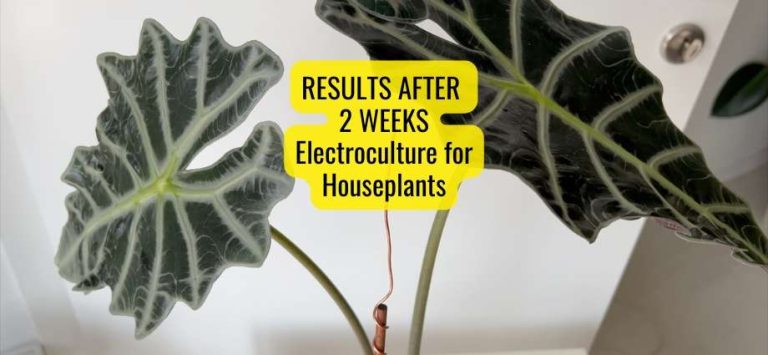
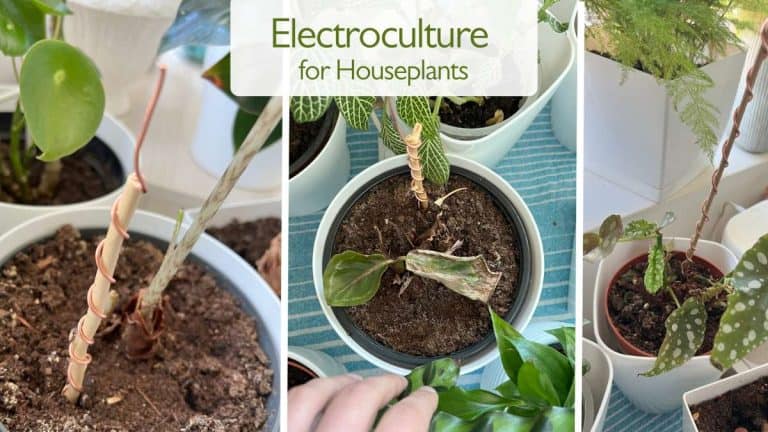
Curious about the practical effects of electroculture at home, I conducted a small-scale experiment using houseplants. I created atmospheric antennas, wooden dowels wrapped with copper wire in a Fibonacci spiral, and inserted them into pots.
Over several weeks, I observed remarkable improvements in plant vigor: lush, vibrant growth; larger leaves; stronger stems; and increased resilience. While my experiment was preliminary and not a rigorous scientific study, the positive changes were undeniable.
You can watch my detailed video documenting these results and learn how to make your own antenna below.
The Controversy and Scientific Debate
Despite promising results, electroculture faces skepticism in the scientific community due to:
- Lack of standardized protocols: Diverse techniques and variable setups lead to inconsistent results across studies.
- Limited peer-reviewed research: Most existing studies are small-scale or anecdotal.
- Variability in effectiveness: Electroculture’s impact varies widely between plant species, environmental conditions, and equipment.
More rigorous, reproducible research is needed to fully validate and optimize electroculture methods.
How Atmospheric Antennas Play a Role in Electroculture
A key tool in electroculture is the atmospheric antenna, designed to capture and channel the Earth’s electromagnetic energy to plants. Typically constructed from wood wrapped in copper wire and oriented toward magnetic north, these antennas act as passive energy collectors.
The design often incorporates the Fibonacci spiral, believed to enhance energy flow. When placed near plants or inserted into soil, they promote enhanced nutrient uptake, growth stimulation, and increased plant vitality.
If you want to try making your own antenna, read my step-by-step guide or watch the video below:

Click here to watch the video on YouTube
FAQ
Is it real or just a myth?
It’s a real concept that explores how electricity and electromagnetic fields may influence plant growth. Results vary, and more research is still needed for clear, consistent conclusions.
Does it actually work for plants?
Some growers report faster growth and stronger plants, but outcomes depend on the plant type, setup, and environment, so it’s not guaranteed.
What are the main benefits?
Commonly reported benefits include improved vigor, stronger roots, and better resilience, especially when combined with good light, watering, and nutrition.
What is an atmospheric antenna?
It’s a simple tool (often wood + copper wire) designed to capture natural atmospheric energy and direct it into the soil near a plant.
Does the direction of the antenna matter?
Many people recommend pointing antennas toward magnetic north. This is popular in the community, but strong scientific confirmation is still limited.
What plants respond best?
Gardeners often test this method on vegetables, herbs, strawberries, tomatoes, and indoor houseplants. Actively growing plants usually show changes faster than dormant ones.
Can it replace fertilizer?
No. Plants still need proper nutrients, light, and watering, but some growers use this as a supportive tool alongside normal care.
Is it safe for houseplants?
Passive DIY setups that don’t connect to wall power are generally considered safe. Just use stable materials and avoid damaging roots when placing the antenna.
How long does it take to see results?
Some people notice changes in a few weeks, while others need a couple of months. Growth speed, season, and plant health all play a role.
Can I combine it with music for plants?
Yes! Many plant lovers combine this with calming music (like 432 Hz) to create a more relaxing atmosphere for both plants and people.
What is electroculture farming?
Electroculture farming is the use of atmospheric electricity, electromagnetic fields, or electrical stimulation methods in gardening or agriculture to support plant growth naturally.
Incorporating Music for Plants to Enhance Growth
Research increasingly shows that music tuned to specific frequencies, such as 432 Hz, positively influences plant growth and health by creating a calming, harmonious environment. Combining electroculture with specially curated music playlists for plants can amplify beneficial effects, promoting relaxation and natural growth processes.
I have created a playlist called “Music for Plants” that has been tested on a variety of plant species with excellent feedback.

Click here to watch the video on YouTube
Final Thoughts
Electroculture offers a promising, eco-friendly approach to enhancing plant growth by harnessing natural electromagnetic energy. While scientific consensus is still evolving, the technique’s potential to reduce chemical inputs, improve yields, and support sustainable agriculture is compelling.
I encourage gardeners and growers to experiment with electroculture in their own settings while staying informed about ongoing research. Follow my blog and channel for more insights, practical guides, and updates on plant growth innovations.
Related Articles
- Electroculture for Houseplants: How to Make an Atmospheric Antenna?
- Electroculture for Alocasia Amazonica: Amazing Growth Results After Just 2 Weeks
- Zeolite for Plants: What It Is and Why It Matters
- 440 Hz vs 432 Hz: What’s the Difference & Which Is Better?
- Zeolite for Plants: Benefits and How to Use It

Written by Bojana
Plant lover, grower, and music maker behind Plant House & Garden, with 35+ years of hands-on houseplant experience. Read more about Bojana →